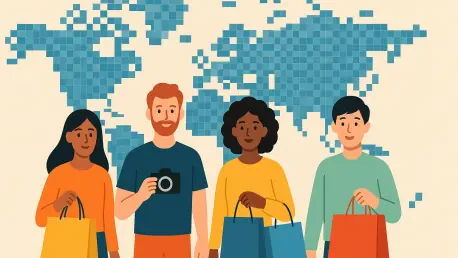

YouTube Chief Business Officer Mary Ellen Coe recently revealed that the platform’s shopping tools have expanded to include more than 1.3 million enrolled channels globally. This massive influx of commercial participation marks a fundamental shift in the digital ecosystem, moving beyond traditional video hosting to create a robust, end-to-end shopping experience. The platform has successfully leveraged its massive reach to integrate retail features directly into the viewing process, effectively turning every video, Short, and livestream into a potential storefront. This transformation is not merely a technical update but a systemic evolution of the creator economy, where the metric of success has transitioned from simple views to direct transaction volume. By aligning creator incentives with tangible product sales, the service has redefined the relationship between content production and commerce, establishing a new global standard for social retail that bridges the gap between entertainment and consumer behavior.
The New Arithmetic: Reconciling Growth Metrics and Creator Earnings
The current scaling of the shopping ecosystem is largely driven by a strategic decision to lower the eligibility requirements for affiliate participation. By opening these tools to channels with as few as 500 subscribers, the platform has tapped into the burgeoning power of micro-influencers who maintain high levels of trust with niche audiences. This democratization has resulted in a 2.6-fold increase in the participant base compared to the previous cycle, creating a vast network of digital shopkeepers. These smaller creators are now empowered to monetize their influence through direct product tagging, moving away from a reliance on high-volume ad revenue that often remains elusive for nascent channels. This strategy has successfully decentralized the commerce model, ensuring that the platform’s retail engine is powered by a diverse range of voices rather than just a few top-tier celebrities.
Despite the surge in participation, a closer examination of the financial data reveals a complex relationship between total sales volume and actual creator payouts. While Gross Merchandise Value has skyrocketed by thirteen times over the last two years, creator commission payouts have doubled in the same period. This discrepancy is partially attributed to the inherent lag in payment processing through integrated systems like AdSense, where commissions often take several months to finalize after a purchase. Furthermore, the massive influx of new participants means that a significant portion of the network is still in the early stages of optimizing their sales strategies. As these new creators refine their approach and move through initial payment cycles, the gap between total sales and distributed earnings is expected to narrow, reflecting a more mature and stable financial ecosystem for the global creator community.
Global Reach: Strategic Expansion and Localized Infrastructure
The ambition to function as a truly global storefront has led to an aggressive rollout into 35 international markets, ensuring that the commerce infrastructure is as borderless as the content itself. Significant milestones include the full integration of major retail partners in the United Kingdom and Germany, where tens of millions of users are already conducting shopping-related searches. In the British market, temporary incentives have been used to stimulate early adoption, while the German launch involved partnerships with dominant electronics and pharmaceutical retailers. This localized approach ensures that the shopping experience feels native to the user, respecting regional consumer habits while providing the global reach that international brands demand. By embedding itself into the local retail fabric of these major economies, the platform has solidified its position as a primary destination for digital product discovery.
A critical component of this international success is the technical innovation behind the localization of product tags. In the past, geographical barriers often frustrated the commerce experience, as viewers might see a product they cannot purchase due to shipping restrictions. The current system automates the process of merchant substitution, ensuring that a viewer in London sees a link for a local British retailer even if the video was produced by a creator in Los Angeles. This ensures that creators earn commissions on a global scale without having to manually manage regional retail partnerships. In Latin American markets like Mexico and Argentina, strategic alliances with dominant regional e-commerce leaders have provided the necessary logistics and payment backbone to support this rapid expansion. This seamless technical integration has effectively eliminated the “leakage” in the sales funnel, maximizing the earning potential for creators across all geographic boundaries.
The Institutional Shift: Formalizing the Economy Through Agency Incentives
To further professionalize the marketplace, a substantial investment of hundreds of millions of dollars has been allocated to incentivize agency partners over the next two years. This capital is specifically designed to reward organizations that facilitate and manage direct brand deals, effectively streamlining the interaction between large-scale advertisers and individual creators. By providing financial rewards to agencies, the platform aims to reduce the operational friction that often complicates high-volume influencer marketing campaigns. This move signals an attempt to centralize the influencer economy within a controlled infrastructure, offering brands a more predictable and measurable way to deploy their marketing budgets. The goal is to move beyond the fragmented nature of traditional brand deals toward a more institutionalized model that benefits from economies of scale and standardized performance metrics.
While this investment provides a significant boost to the industry, it also introduces new considerations regarding transparency and the ethics of disclosure. Industry research has previously indicated that a substantial number of marketers are not fully aware of the compensation structures used by their agencies. As the platform becomes a direct financial participant in these agency relationships, ensuring that all parties understand the flow of capital remains a priority. This institutionalization helps brands manage the complexity of working with hundreds of creators simultaneously, but it also requires a renewed focus on maintaining the authenticity that makes creator content valuable in the first place. The challenge lies in balancing the need for professional, large-scale campaign management with the organic, trust-based relationships that drive consumer engagement on the platform.
Artificial Intelligence: Integration and the Professionalization of Creators
The introduction of AI-driven business assistants like Ask Studio has fundamentally changed the administrative landscape for digital creators. This technology allows users to generate professional pitch proposals, tailored media kits, and data-driven business plans with minimal manual effort. By leveraging audience signals and rich insights, the AI helps creators present a compelling value proposition to potential brand partners, effectively acting as a virtual sales department. This is particularly crucial for “solo-preneurs” who may lack the resources to hire dedicated business development staff. The integration of artificial intelligence into the backend of a channel ensures that creators can focus their energy on content production while the system handles the complexities of professional outreach and partnership management, further narrowing the gap between individual creators and traditional media houses.
This trend toward professionalization is becoming an essential survival strategy as the requirements for traditional ad revenue sharing become more stringent. With the threshold for ad-sharing expected to increase to 8,000 watch hours in the coming cycle, many creators are being pushed to diversify their income streams through commerce and brand deals. The AI tools provided are designed to facilitate this pivot, ensuring that even mid-sized channels can operate with the sophistication of a major media entity. By automating the “sales” side of the creator business, the platform is fostering a more resilient class of digital entrepreneurs who are less dependent on fluctuating ad rates. This shift reflects a broader maturation of the industry, where data-driven decision-making and professional business practices are no longer optional but are the standard requirements for long-term success in the digital space.
Brand Synergy: Paid Amplification and Intellectual Property Rights
The implementation of Paid Boosting has created a powerful synergy between organic content and traditional advertising. This feature allows brands to take a successful creator video and, with a single-click code, transform it into a paid advertisement asset within the broader marketing ecosystem. Internal data suggests that these boosted videos see a 20% increase in conversion lift compared to standard creative assets, highlighting the immense value of “authentic” content in driving consumer action. This streamlined process eliminates the technical hurdles that previously made it difficult for brands to amplify creator-led campaigns at scale. By bridging the gap between organic discovery and paid reach, the platform offers a holistic solution for brands looking to maximize the impact of their influencer partnerships across the entire consumer journey.
However, the ease of this system brings significant questions regarding intellectual property rights and the long-term control of a creator’s likeness. While the platform maintains that creators retain ownership of their content, the contractual reality of brand deals often involves complex negotiations over how long and where a boosted video can be used. The “one-click” simplicity must be balanced against the need for clear, fair agreements that protect the creator’s personal brand and future earning potential. As the line between organic content and paid advertising continues to blur, both creators and brands must navigate a landscape where legal standards and professional norms are still evolving. Ensuring that creators are fairly compensated for the extended reach of their content remains a focal point for industry advocates as the model for paid amplification becomes the new industry standard.
Navigating the Landscape: Market Sentiment and Regulatory Realities
Current market sentiment reflects a high level of trust in the platform’s shopping capabilities, with research showing that nearly 80% of users trust creator recommendations when making purchasing decisions. This high degree of consumer confidence is the bedrock upon which the entire commerce engine is built. However, this trust exists alongside a complex power dynamic between the platform and the individual participants. Recent studies from international competition authorities have highlighted that many creators still feel they have weak bargaining power when negotiating terms or responding to policy shifts. As the platform moves more aggressively into the retail space, the balance of power remains a topic of significant discussion within the industry, particularly as the rules for monetization continue to favor a commerce-first approach over passive viewership models.
The upcoming adjustments to the Partner Program, including the significant increase in entry barriers for ad revenue sharing, are finalizing the platform’s pivot toward a commission-based economy. By making it harder to earn through traditional ads while simultaneously lowering the floor for shopping tools, the system is effectively guiding the next generation of creators toward a sales-driven career path. This transition is not without its critics, as some argue it may stifle purely creative or non-commercial content. Nevertheless, the reality of the 2026 digital landscape is one where the ability to drive transactions is becoming the primary indicator of a creator’s value. As these new regulatory and structural realities take hold, the platform is successfully positioning itself as the central infrastructure for the future of global retail, fundamentally altering the career trajectories of millions of creators.
Strategic Pathways: Actionable Future Insights
The strategic evolution of the platform into a comprehensive commerce engine established a new paradigm for the digital economy that will influence the market for years to come. The transition from a video-hosting site to a global retail hub demonstrated that the future of social media is inextricably linked to direct transaction capabilities. For creators, the primary takeaway was the necessity of moving beyond a “views-only” mindset to develop a sophisticated understanding of retail logistics and audience purchase intent. Those who successfully integrated shopping tools early in this cycle were able to insulate themselves from the volatility of ad rates, creating more stable and predictable business models. This shift effectively professionalized the entire sector, rewarding creators who treated their channels as retail enterprises rather than just creative outlets.
For brand advertisers and agencies, the lesson of this era was the power of authenticity when combined with high-tech amplification tools. The successful use of localized product tags and paid boosting showed that global campaigns can still feel personal and relevant to local audiences. Moving forward, stakeholders should focus on deep technical integration with the platform’s AI tools to ensure maximum efficiency in campaign management. Brands must also prioritize transparent and fair intellectual property agreements to maintain healthy, long-term relationships with the creators who drive their sales. As the commerce engine continues to mature, the focus will likely shift toward refining the user experience and exploring even more immersive shopping formats, ensuring that the intersection of content and commerce remains the most lucrative frontier in the digital world.