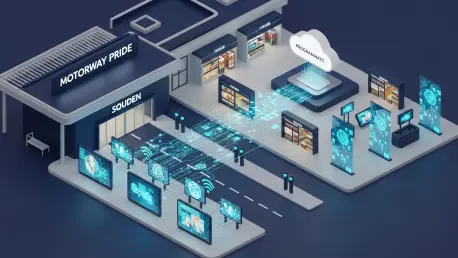

The transformation of the United Kingdom’s transportation advertising landscape reached a critical inflection point in June 2026 as automated buying systems finally integrated with the nation’s largest roadside digital screen networks. This major technical evolution is driven by a landmark partnership between the media owner i-media and the global programmatic platform VIOOH, effectively opening up more than 1,000 full-motion digital screens to international advertisers. By connecting these premium assets to a standardized supply-side platform, the industry has fundamentally changed how brands interact with the millions of travelers who traverse the country’s primary road arteries every day. This shift represents much more than a simple software update; it is a comprehensive modernization of the outdoor media sector that incorporates the same sophisticated workflows and real-time bidding protocols found in the broader digital display and video ecosystem. As these high-traffic locations become accessible to programmatic buyers, the traditional barriers between physical billboards and digital marketing channels have largely evaporated, creating a more fluid environment for large-scale campaign execution.
Maximizing Reach Through Exclusive Infrastructure
Strategic Networks: The Impact of Service Station Inventory
Holding a dominant position within the transit media sector, i-media remains the exclusive provider of digital advertising for the four major motorway service area operators across the United Kingdom. This extensive control encompasses a network of 1,200 high-definition screens distributed across 132 premium locations, ensuring that brands can maintain a consistent presence along the busiest corridors, including the M1, M6, and the M25 orbital. These screens are strategically placed in high-traffic zones where visitors naturally congregate, such as main entrances, food courts, and retail concourses. Because these assets are located within the service stations themselves rather than alongside the high-speed carriageway, they offer a unique advantage by targeting an audience that has consciously paused its journey. This distinction is vital for advertisers who seek to transition from the fleeting visibility of roadside billboards to a more immersive environment where consumers are not focused on the immediate demands of driving.
The exclusivity of this inventory provides a level of brand safety and environmental control that is difficult to replicate in other outdoor settings. By managing the digital screens across the primary service operators, the partnership ensures that advertising messages are delivered in a clean, modern, and well-maintained physical context. This environment is particularly attractive to blue-chip brands that require high-impact visual displays and a guaranteed volume of foot traffic. The shift toward a programmatic model means that this vast network is no longer a siloed asset accessible only through specialized outdoor agencies; instead, it has become a standard component of any sophisticated digital media buy. This accessibility allows for greater diversity in the types of businesses using motorway advertising, ranging from local retail services to global technology firms looking to capture the attention of a mobile population.
Technical Infrastructure: Bridging the Gap to Digital Platforms
The integration of the i-media network into the VIOOH platform represents a significant leap forward in the technical capabilities of digital out-of-home advertising. By utilizing this global supply-side platform, advertisers can now use their existing demand-side platforms, such as Google Display & Video 360 or The Trade Desk, to bid on motorway screen inventory in real-time. This automated process removes the historic friction of manual contract negotiations, static creative uploads, and long lead times that previously characterized the outdoor media market. Brands can now treat these physical screens with the same agility they apply to mobile or web-based campaigns, adjusting their bids and creative assets on the fly to respond to changing market conditions or internal business needs. This technical bridge ensures that motorway advertising is fully integrated into the programmatic ecosystem, allowing for more efficient budget allocation across multiple digital channels.
Modernizing this infrastructure also facilitates a higher degree of transparency and reporting, which has long been a challenge for traditional out-of-home media. With programmatic pipes now connecting motorway service areas to global buyers, the industry has adopted standardized metrics that allow for a more accurate assessment of campaign performance. Advertisers can monitor impression delivery and play-out logs with a level of precision that matches other digital formats, providing the data necessary to justify large-scale investments in transit media. Furthermore, the ability to schedule campaigns with granular timing ensures that messaging is always relevant to the specific time of day or day of the week. This agility is particularly beneficial for brands looking to synchronize their outdoor presence with short-term promotions or live events, ensuring that the physical and digital aspects of a marketing strategy are perfectly aligned.
Capitalizing on Extended Dwell Times
Audience Engagement: The Value of Captive Attention
The primary advantage of advertising within motorway service areas lies in the significant dwell time generated by travelers who stop to rest, eat, or refuel. Research indicates that the average visitor spends approximately 22 minutes at a service area, a duration that far exceeds the a few seconds of exposure typically provided by roadside billboards. During this period, consumers are often in a retail-oriented mindset, making them more receptive to advertising messages that influence immediate purchasing decisions or long-term brand recall. Unlike the distracted environment of a driver looking at the road, visitors walking through a service station are in a captive state where high-quality, full-motion video can effectively capture and hold their attention. This creates a rare opportunity for brands to deliver more complex narratives and high-resolution creative content that would be lost in a high-speed driving context.
This high level of engagement is further enhanced by the foot-traffic nature of these locations, which allows for a more personal interaction between the brand and the consumer. As travelers move through the facility, they encounter multiple touchpoints where digital screens serve as both information hubs and entertainment sources. This environment is particularly conducive to full-motion video, which has been shown to achieve significantly higher recall rates compared to static imagery. Advertisers can leverage this by creating content that specifically caters to the transit experience, offering solutions to travel-related needs or providing entertainment during a necessary break. The combination of a relaxed audience and long dwell times ensures that the advertising spend is utilized effectively, maximizing the probability that the message will be processed and remembered by the target demographic.
Massive Scale: Comparing Reach to Traditional Broadcast
When examining the sheer volume of impressions generated by the UK motorway network, the scale of this advertising opportunity becomes comparable to traditional broadcast television. The network generates roughly 2.9 billion monthly impressions, reaching over 355 million people on an annual basis. In any given week, the reach of these digital screens can exceed the viewership of the most popular national television programs, providing a powerful platform for brands seeking mass-market visibility. This level of exposure is achieved by the constant flow of diverse demographics traveling across the country for work, leisure, and logistics. By securing a presence in these high-traffic hubs, advertisers can achieve a broad national reach while maintaining the flexibility of a digital-first buying model, making it an essential tool for large-scale awareness campaigns.
The massive scale of the motorway audience is not just about the number of people, but also about the frequency and consistency of the exposure. Major transit arteries like the M1 and M25 serve as the backbone of the nation’s economy, ensuring that a significant portion of the population passes through these service areas regularly. This provides brands with the opportunity to build frequency and reinforce their message over time as commuters and long-distance travelers make multiple stops throughout the month. Furthermore, the integration of these screens into a programmatic platform allows advertisers to manage this scale with precision, ensuring that they are not just buying raw impressions but are instead reaching the specific audience segments that matter most to their business. This marriage of broadcast-level scale and digital-level targeting represents a new era for mass-market communication in the physical world.
Smart Targeting Through Technical Innovation
Data-Driven Intelligence: Implementing Vehicle Recognition
The most sophisticated aspect of the modern motorway advertising network is the implementation of Automatic Number Plate Recognition technology to gather real-time intelligence on the audience. As vehicles enter a service area, the system analyzes the characteristics of the fleet, such as the make, model, age, and fuel type of the cars currently on the premises. This process is handled with a strict focus on privacy, as the data is anonymized and used only to understand the aggregate profile of the audience rather than to identify individual drivers. By translating physical vehicle data into actionable audience insights, the network provides advertisers with a level of granular detail that was previously unavailable in the out-of-home sector. This intelligence allows brands to move away from guesswork and instead base their media buying decisions on the actual composition of the people standing in front of the screens.
This real-time data layer enables a variety of sophisticated targeting strategies that capitalize on the specific needs of different traveler segments. For instance, the system can identify a high concentration of electric vehicles in a particular service area, allowing a brand to trigger advertisements for charging solutions or eco-friendly products only when that specific demographic is present. Similarly, the data can reveal a high density of premium or luxury vehicle models, signaling to high-end brands that the current audience aligns with their target market. This level of technical sophistication turns a static screen into a dynamic marketing tool that responds to the environment in real-time. By leveraging these insights, advertisers can significantly reduce wasted spend and ensure that their creative messaging is always relevant to the viewers, enhancing the overall efficiency of the campaign.
Targeting Logic: Moving from Location to Audience
The shift toward programmatic motorway advertising has fundamentally changed the underlying logic of outdoor media buying, moving the focus from specific physical locations to the characteristics of the audience. In the past, an advertiser might have purchased a screen simply because it was located on a busy road; today, they buy that same screen because the data shows it is currently being viewed by their ideal customer profile. This audience-first approach allows for a much more strategic allocation of resources, as brands can prioritize screens based on real-time demographic shifts rather than historical traffic averages. This transition mirrors the evolution of the online advertising industry, where the value of a digital impression is determined by the profile of the user rather than the specific website on which the ad appears.
This new targeting logic also allows for the execution of highly localized or contextually relevant campaigns within a national framework. An advertiser can choose to increase their bidding intensity at specific locations during times when their target audience is most likely to be present, such as targeting business travelers during the morning rush or families during school holiday periods. This level of control ensures that the advertising message is delivered at the most opportune moment, increasing the likelihood of conversion. Furthermore, the ability to layer external data sources, such as weather patterns or traffic congestion levels, onto the audience data provides even more opportunities for creative relevance. By moving toward an audience-centric model, the motorway advertising sector has transformed into a high-resolution, data-driven channel that offers the precision of digital marketing at the scale of the physical world.
Long-Term Outlook: Sustainability and Unified Strategies
Global Perspectives: Integrating Modern Advertising Standards
The adoption of programmatic standards across the UK motorway network is part of a larger global trend toward the automation of all outdoor media assets. As international brands seek to manage their global footprints through a single point of entry, the demand for standardized, automated workflows has become a top priority for media owners. This movement is driven by the need for greater efficiency and the desire to integrate out-of-home advertising into broader omnichannel strategies that span multiple countries and platforms. By aligning with these global standards, the UK transit media market has ensured that it remains a competitive and attractive destination for international investment. This standardization also allows for more consistent creative delivery, as brands can deploy the same high-quality digital assets across different regions with minimal technical adjustments.
In addition to operational efficiency, the move toward programmatic outdoor media offers significant advantages in terms of environmental sustainability and corporate responsibility. Research conducted within the industry has demonstrated that programmatic digital screens are considerably more carbon-efficient than the energy-intensive processes required for traditional web-based display advertising. For global brands with strict carbon-reduction targets, this provides a compelling reason to shift a larger portion of their digital budgets into the out-of-home sector. By utilizing a network that is both technically advanced and environmentally responsible, advertisers can achieve their marketing objectives while also meeting their broader sustainability goals. This focus on green advertising is expected to become a major differentiator in the coming years as companies are held to higher standards of environmental transparency.
Unified Journeys: The Future of Transit Media Strategies
The successful rollout of programmatic motorway advertising established a clear blueprint for brands to modernize their out-of-home strategies while maintaining high standards of data integrity. Marketers adopted a multi-layered approach that prioritized high-dwell-time environments over fleeting roadside impressions to maximize the impact of their creative storytelling. By integrating these transit hubs into broader omnichannel budgets, agencies achieved a level of campaign fluidity that previously resided only in web-based media, allowing for a seamless transition between mobile and physical touchpoints. This transition encouraged a move toward dynamic creative optimization where environmental triggers like weather and traffic congestion informed real-time messaging adjustments. Brands that utilized these automated tools realized greater efficiency in their media spend by targeting specific vehicle demographics identified through anonymous recognition technology. The implementation of this infrastructure effectively bridged the gap between physical and digital worlds, allowing for a more cohesive consumer journey from the doorstep to the final destination. This established a new standard where the audience’s real-time behavior and characteristics became the primary currency for modern outdoor advertising.