In today’s hyper-connected digital landscape, businesses find themselves navigating an unprecedented deluge of customer interactions where the expectation for immediate and personalized responses is no longer a preference but a fundamental requirement for survival. This escalating volume of digital communication has created a significant operational challenge, pushing organizations to reconsider their approach to customer engagement. In response, a definitive strategic shift is underway, moving away from manual, often inconsistent outreach toward structured, automated systems. The recent strategic pivot by Rocket CRM to enhance its focus on marketing automation serves as a timely and potent example of this industry-wide trend. This analysis will explore the market data driving this movement, examine its real-world application through the lens of Rocket CRM’s focus, analyze its future trajectory, and provide a conclusive summary of its importance.
The Current Landscape: Why Automation is Gaining Momentum
Market Data and Adoption Drivers
The growth of the marketing automation market is a clear indicator of its increasing importance across the global business landscape. Recent reports illustrate a steady rise in adoption rates across diverse industries and business sizes, from agile startups to large enterprises. This momentum is fueled by several powerful drivers. Foremost among them is the sheer complexity of the modern digital ecosystem. Businesses must now manage their presence and interactions across a multitude of channels, including websites, email, social media, and various messaging platforms, making a unified communication strategy difficult to execute manually.
Furthermore, customer expectations have evolved dramatically. Today’s consumers demand consistent, relevant, and timely interactions, regardless of the channel they use. This pressure for a seamless experience forces businesses to seek solutions that can deliver coherence at scale. As a result, organizations are increasingly investing in automation not only to achieve greater operational efficiency but also to enable more sophisticated, data-driven decision-making. These platforms provide the necessary tools to track engagement, segment audiences, and personalize communication, turning a chaotic stream of interactions into an orderly and effective engagement strategy.
A Case Study in Strategic Application: Rocket CRM
Rocket CRM’s strategic decision to amplify its focus on marketing automation is a direct response to these modern business challenges. The company has identified that organizations are frequently hampered by operational bottlenecks, inconsistent messaging, and fragmented customer data, all of which contribute to missed opportunities. Delayed follow-up on inquiries, for instance, can lead directly to lost revenue, while disparate communication records prevent teams from gaining a holistic view of the customer relationship.
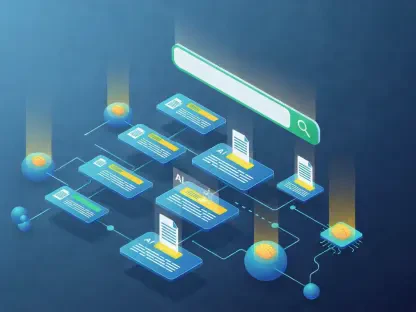
To address these pain points, Rocket CRM’s system is designed to create structured workflows and event-based triggers that govern customer interactions from the first touchpoint onward. For example, when a potential customer fills out a form on a website, the system can automatically initiate a welcome email sequence, assign the lead to a sales representative, and schedule a follow-up reminder. This approach establishes a centralized communication hub that ensures every interaction is consistent, timely, and recorded in a unified profile, significantly improving both internal efficiency and the external customer experience.
Industry Perspectives on the Automation Imperative
Across the industry, there is a growing consensus that automation is no longer a luxury but a necessity for structured customer lifecycle management. A primary advantage highlighted by experts is its ability to consolidate disparate customer interaction data. In many organizations, customer information is scattered across different platforms and departments, creating silos that prevent a comprehensive understanding of the customer journey. Automation platforms serve as a central repository, capturing every touchpoint to build a single, unified record that enhances organizational awareness and improves data accuracy.
This consolidation is fundamental for enabling timely and consistent follow-up, which is crucial for lead conversion and customer retention in a fast-paced digital environment. Automation ensures that no lead is neglected and that all customers receive prompt communication at key moments in their journey. Moreover, by handling repetitive, rules-based tasks, these systems free up personnel to focus on high-value, strategic responsibilities. Instead of manually sending follow-up emails or scheduling appointments, team members can dedicate their time to building deeper relationships, analyzing engagement data, and refining overall strategy, thereby adding more significant value to the business.
The Future of Customer Engagement: What Lies Ahead
Looking ahead, the evolution of automated customer engagement is poised to accelerate with the integration of more sophisticated artificial intelligence and machine learning. These technologies will move beyond simple rules-based triggers to enable hyper-personalization and predictive engagement. Future systems will likely anticipate customer needs based on behavioral data, proactively delivering content or offers that are most relevant at a specific moment. This shift promises to create more meaningful and effective interactions that feel tailored to the individual.
The long-term benefits for businesses adopting this technology are substantial. Internally, enhanced coordination and greater productivity will become standard as more processes are streamlined. Externally, the ability to nurture customer relationships through structured, lifecycle-based communication will foster greater loyalty and long-term value. However, this evolution is not without its challenges. There is a tangible risk of creating impersonal or robotic experiences if automation is not implemented thoughtfully. The complexity of initial system setup and the need for ongoing optimization also present hurdles that require dedicated resources and expertise.
Ultimately, this trend will continue to reshape marketing and sales roles. The emphasis will shift further away from manual execution and toward strategic oversight, data analysis, and creative problem-solving. Professionals in these fields will need to become adept at designing, managing, and interpreting the results of complex automation workflows, making data literacy a critical skill for success in the future of customer engagement.
Conclusion: Building a Foundation for Scalable Communication
The analysis revealed that the strategic shift toward automated customer engagement was an essential response to the dual pressures of digital complexity and evolving consumer behavior. Companies like Rocket CRM demonstrated a clear strategic path forward, positioning automation not just as a tool for efficiency but as a comprehensive framework for building structured, intelligent communication systems. This trend underscored the critical need for businesses to move beyond fragmented, manual processes and toward a more cohesive and scalable approach.
Ultimately, the widespread adoption of automation reaffirmed its importance as a foundational pillar for modern business communication. The ability to deliver consistent, timely, and personalized interactions at scale became a defining characteristic of successful organizations. The move toward automation was not merely about technology; it was a fundamental commitment to fostering long-term reliability and growth by building a smarter, more responsive framework for engaging with customers in an increasingly digital world.