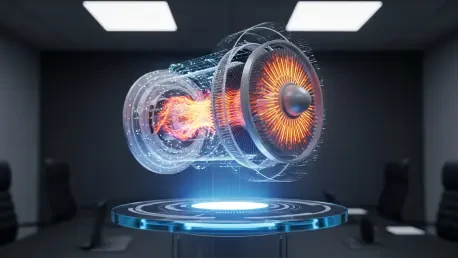

The transition from passive observation to active digital engagement has fundamentally altered how procurement teams and individual consumers evaluate potential investments. In the current market landscape, a static image or a basic text description often fails to convey the intricate value propositions of sophisticated technology or industrial hardware. As buyers become increasingly self-reliant, moving through nearly 70% of the purchasing journey before initiating direct contact with a vendor, the necessity for high-fidelity visual communication has never been more critical. 3D animation serves as a sophisticated bridge in this “silent” phase of the sales cycle, transforming abstract mechanical concepts or complex software workflows into tangible, understandable experiences. By providing an immersive look at a product’s functionality, these digital assets do not merely decorate a website; they proactively answer technical questions and dismantle the barriers of skepticism. This shift toward visual-first communication strategies allows brands to demonstrate precision and reliability while simultaneously establishing a level of transparency that traditional photography simply cannot match in a modern digital environment.
Navigating the Evolution of the Digital Buyer Journey
The autonomy of the modern buyer is a defining characteristic of commerce in 2026, where the vast majority of research occurs long before a formal inquiry is submitted to a sales department. When a prospective client lands on a digital platform, they are often seeking immediate clarity regarding a product’s internal mechanisms or its integration capabilities within a larger ecosystem. Traditional media often falls short here because it captures only the surface level, leaving the most important functional details to the imagination of the viewer. 3D animation eliminates this guesswork by allowing the user to peer inside a machine or follow a data packet through a complex network in real-time. This level of detail satisfies the curiosity of technical decision-makers who require more than just marketing fluff to justify a significant expenditure. Consequently, providing high-resolution, animated insights ensures that the brand remains a viable contender throughout the initial screening process where many competitors are often eliminated due to a lack of transparency.
Beyond just clarifying existing features, 3D visualization offers a unique strategic advantage by enabling companies to market innovations that are still in the final stages of the production pipeline. This “pre-build” marketing capability is particularly transformative for manufacturers of heavy equipment or custom hardware, as it allows them to secure pre-orders and distributor agreements months before the first physical unit is assembled. By showcasing a photorealistic representation of a product’s movement and utility, businesses can create a sense of urgency and excitement that drives early adoption and market momentum. This proactive approach ensures that the sales pipeline is constantly fueled with qualified leads who have already “seen” the product in action, even if it only exists as a digital twin. Furthermore, this method reduces the financial risk associated with launching new product lines by validating market interest through visual prototypes that accurately reflect the final specifications and aesthetic qualities of the intended release, thus bridging the gap between engineering and sales.
Strengthening Credibility through Visual Technical Education
For organizations dealing with high-stakes investments, the primary obstacle to closing a deal is often the inherent fear of technical failure or incompatibility with existing infrastructure. 3D animation addresses this psychological barrier by acting as a form of visual proof, demonstrating exactly how a component functions under stress or how it interfaces with specific environmental variables. When a buyer can witness a simulated stress test or a detailed exploded view of a critical assembly, the perceived risk of the investment drops significantly. This transparency builds a foundation of trust that is difficult to achieve through brochures or static specifications alone. By visually articulating the precision of the engineering and the robustness of the materials used, a company can effectively communicate a standard of quality that resonates with both procurement officers and technical specialists. This alignment between visual representation and engineering reality is what ultimately converts a skeptical prospect into a confident buyer who feels fully informed about the nuances of their upcoming purchase.
The educational power of these visual assets extends directly into the efficiency of the internal sales team, fundamentally changing the nature of initial client interactions. When prospects have access to comprehensive 3D explainers, they enter the conversation with a high level of baseline knowledge, effectively bypassing the need for long, repetitive introductory presentations. This shift allows sales representatives to skip the “how it works” phase and move immediately into nuanced discussions about return on investment, custom configurations, and specific deployment timelines. By shifting the focus from basic education to strategic consultation, the sales cycle is drastically compressed, and the quality of the lead is substantially improved. Sales professionals can utilize interactive 3D models during live demonstrations to pivot and answer specific questions on the fly, providing a dynamic response that static slides cannot offer. This interactive capability not only impresses the potential client but also reinforces the image of the company as a technologically advanced leader that is prepared to meet the complex demands of its customers.
Optimizing Asset Lifecycle: Long-Term Value and Support
Investing in 3D animation is no longer viewed as an isolated marketing expenditure but rather as the creation of a versatile digital asset that provides value across the entire organization. These high-fidelity models are often developed during the prototype phase, meaning they can be repurposed for a wide variety of applications beyond the initial sales pitch. A single 3D asset can be segmented into short, punchy clips for social media engagement, expanded into detailed technical videos for deep-dive webinars, or even integrated into virtual reality environments for trade show demonstrations. This multi-channel utility ensures that the initial investment yields a high return over several years, as the core digital geometry remains relevant as long as the product is in the market. Moreover, these visuals can be easily updated or modified to reflect minor hardware revisions or software updates, preventing the marketing collateral from becoming obsolete. This flexibility allows marketing departments to maintain a consistent brand aesthetic across all platforms while significantly reducing costs.
Transitioning these visual assets into the post-purchase phase proved to be one of the most effective ways to ensure long-term customer satisfaction and brand loyalty. Once a sale was finalized, the same 3D animations that initially attracted the buyer were frequently utilized as instructional guides for installation, operation, and routine maintenance. This proactive support reduced the burden on customer service departments by providing users with clear, intuitive visual instructions that were far easier to follow than traditional paper manuals. By empowering the customer to successfully integrate and maintain the product through high-quality visual guidance, companies noticed a significant decrease in initial support tickets and a corresponding increase in positive user reviews. Organizations that treated these animations as evolving tools rather than static files successfully future-proofed their operations. This comprehensive approach ensured that the value of 3D visualization was realized at every touchpoint, transforming it from a simple sales tool into a foundational element of the modern customer experience.