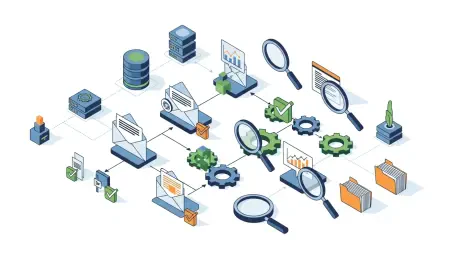

Automated email sequences often operate like invisible leaky pipes in a corporate plumbing system, quietly draining potential profits without alerting the management to the ongoing loss. These automated flows are the silent workhorses of digital commerce, yet they often become inefficient over time if left unmonitored. A strategic audit is not merely a technical checkup; it is a deep dive into the customer lifecycle to identify precisely where potential revenue is slipping through the cracks. By systematically reviewing technical health, flow logic, and platform capabilities, brands can uncover double-digit gains in engagement and sales without necessarily increasing their total send volume.
Closing the Profit Leak: The Critical Role of Automation Audits
Revenue leakage occurs when subscribers disengage or when technical hurdles prevent messages from reaching the inbox. An audit serves as a diagnostic tool that examines the entire ecosystem, from the first welcome email to the final win-back attempt. This process uncovers hidden friction points that drive users away, allowing marketers to patch the holes in their conversion funnels.
Furthermore, these audits provide a clear roadmap for scaling marketing efforts efficiently. Instead of guessing which campaigns need more budget, the audit highlights the specific automations that offer the highest return on investment. This data-driven approach ensures that every message sent serves a purpose and contributes directly to the bottom line.
Why Static Automations Fail in the Era of AI-Driven Inboxes
The “set it and forget it” mentality remains the primary cause of revenue stagnation in modern email marketing. Modern mailbox providers now use sophisticated algorithms to evaluate sender reputation in real time, making deliverability a moving target. If an automation has a weak technical foundation or suffers from low engagement rates, these algorithms actively deprioritize the messages, burying them in promotions folders or spam.
Understanding that recipient behavior shifts over time is crucial for maintaining a healthy program. What worked a year ago may no longer resonate with a modern audience that expects hyper-relevance. Consequently, static flows that do not evolve alongside consumer trends eventually become white noise, leading to a steady decline in open rates and a significant loss in potential sales.
The Step-by-Step Blueprint for Identifying and Fixing Automation Gaps
Step 1: Fortify Your Technical Infrastructure and Deliverability
Before optimizing creative content, a brand must ensure its emails actually reach the intended inbox. Technical debt in an email setup acts as a ceiling on potential performance, regardless of how compelling the copywriting might be. A thorough review of the backend infrastructure is the only way to guarantee that the path to the customer remains open.
Establishing Trust with Dedicated Sending Domains
Using shared domains increases the risk of being penalized for the mistakes made by other senders on the same server. A dedicated domain is essential for brands looking to scale their volume while protecting their sender authority. This setup allows the brand to own its reputation completely, ensuring that its deliverability score is based solely on its own practices.
Moreover, a dedicated domain provides a professional appearance that fosters trust with inbox providers. When a brand takes ownership of its sending infrastructure, it signals a commitment to quality and security. This foundation is necessary for any company that intends to maintain long-term communication with its customer base.
Validating Authentication via SPF, DKIM, and DMARC Protocols
Proper authentication acts as a digital passport, telling inbox providers that an email is legitimate and safe. An audit must confirm that these records are correctly configured to prevent spoofing and improve overall placement. Without these protocols, even the most helpful emails can be flagged as fraudulent, leading to immediate delivery failure.
Consequently, keeping these records updated is a non-negotiable part of technical maintenance. As security standards evolve, marketers must verify that their authentication methods meet the current requirements of major providers. This proactive stance prevents sudden drops in deliverability that can occur after a provider updates its security filters.
Ensuring Universal Rendering and ADA Compliance
Broken images and inaccessible designs alienate a significant portion of the potential audience. Reviewing templates for ADA compliance and testing across multiple devices ensures every recipient has a seamless experience. An email that looks great on a desktop but fails to render on a mobile device is a missed opportunity for conversion.
In addition to visual appeal, accessibility is now a legal and ethical requirement for digital communications. Designing for screen readers and ensuring high color contrast broadens the reach of the marketing message. A truly universal design approach maximizes the chances of engagement across all segments of the population.
Step 2: Analyze and Expand High-Intent Behavior Flows
Revenue gaps often exist because brands only target the final stage of the marketing funnel. An audit should look for missed opportunities to re-engage users based on their specific on-site actions. By capturing interest earlier in the journey, marketers can nurture leads toward a purchase before the intent fades.
Converting High-Intent Browsers with On-Site Activity Triggers
Many users visit specific product or pricing pages but never actually add items to a cart. Implementing flows for site abandonment captures this high-intent audience before they bounce to a competitor. These triggers allow for a gentle nudge that reminds the user of the value they were recently exploring.
Furthermore, these behavioral messages often see higher engagement rates than generic newsletters. Because the content is directly related to the user’s recent actions, it feels more like a helpful service than an intrusive advertisement. This relevance is the key to converting casual browsers into committed buyers.
Distinguishing Between Cart and Checkout Abandonment
Adding an item to a cart is a fundamentally different psychological state than starting the actual checkout process. Auditing these as separate flows allows for more tailored messaging that addresses specific friction points. A cart abandoner might need more product education, whereas a checkout abandoner might just need a nudge regarding shipping costs.
By segmenting these two groups, brands can deploy more effective incentives. For example, a checkout flow might focus on security and trust symbols, while a cart flow focuses on social proof and product benefits. This level of granularity ensures that the right message reaches the user at the right moment.
Step 3: Optimize the Post-Purchase Journey for Retention
The most cost-effective revenue comes from existing customers who already trust the brand. Auditing post-purchase flows ensures that a brand is building long-term affinity rather than just focusing on transactional history. Turning a one-time buyer into a loyal advocate requires a deliberate communication strategy after the sale is complete.
Strengthening Brand Loyalty Through Educational Content
Instead of just sending a digital receipt, brands should use post-purchase automations to provide genuine value. Providing product tips or how-to guides reduces the likelihood of returns and increases customer satisfaction. When a customer feels supported after their purchase, their connection to the brand strengthens significantly.
Moreover, educational content positions the brand as an expert in its field. This trust makes the customer more likely to return for future needs. By focusing on the customer’s success with the product, the brand creates a positive feedback loop that encourages repeat business and word-of-mouth referrals.
Leveraging Repeat Purchaser Rewards and Incentives
An audit should investigate whether the best customers are being treated like strangers or valued partners. Personalized flows for frequent buyers, including rewards reminders and exclusive offers, reinforce the habit of shopping with the brand. Recognizing loyalty is a simple but powerful way to prevent customer churn.
In contrast to general discounts, loyalty-based incentives feel earned and exclusive. These flows can be timed to coincide with typical replenishment cycles, making the purchase decision even easier for the customer. A well-timed reward can be the deciding factor that keeps a customer from exploring other options.
Step 4: Protect Sender Reputation with Re-engagement and Hygiene
Dormant subscribers are more than just dead weight; they actively damage a brand’s deliverability over time. An audit identifies when and how to gracefully let go of unengaged users to maintain a healthy sender score. Keeping a list clean is just as important as growing it.
Implementing Automated Sunsetting and Win-Back Sequences
Marketing teams should create a clear path for subscribers who haven’t opened an email in several months. A structured win-back sequence provides one last chance to re-ignite interest through a compelling offer or a request for feedback. If these attempts fail, the audit must ensure these users are automatically suppressed from future sends.
Protecting the sender score requires making difficult decisions about list size. However, the benefits of a highly engaged list far outweigh the vanity of a large, inactive one. High engagement signals to inbox providers that the content is wanted, which leads to better placement for the subscribers who actually want to hear from the brand.
Step 5: Maximize ESP Functionality and Advanced Features
Many brands pay for advanced features in their email service provider platforms that they never fully utilize. An audit should evaluate whether the current tech stack is being leveraged to its full potential. Often, the tools for significant growth are already available but remain inactive or poorly configured.
Utilizing AI-Powered Send Time Optimization
Auditing send times often reveals that a one-size-fits-all approach is failing to capture maximum attention. Using artificial intelligence to deliver emails when each specific user is most likely to check their inbox can significantly boost open rates. This technology removes the guesswork from scheduling and adapts to individual habits automatically.
Consequently, this level of personalization makes the brand appear more attentive to the user’s lifestyle. When an email arrives at a convenient moment, it is much more likely to be read and acted upon. This small adjustment can lead to incremental gains that compound over time into substantial revenue growth.
Deploying Smart Sending and Frequency Guardrails
To avoid the common pitfall of inbox fatigue, an audit must examine frequency settings across all flows. Smart sending ensures that a subscriber is not bombarded with multiple automated messages within a single twenty-four-hour window. These guardrails protect the user experience and prevent unnecessary unsubscribes.
Furthermore, coordinating across different departments is necessary to ensure that marketing blasts do not overlap with transactional or behavioral triggers. A holistic view of the subscriber’s inbox experience prevents the brand from becoming a nuisance. Maintaining a respectful cadence is vital for long-term subscriber retention.
Gathering Zero-Party Data via Preference Centers
A well-placed preference center within a welcome flow allows a brand to audit and understand user interests from day one. Collecting this zero-party data enables hyper-personalization that drives much higher conversion rates than general messaging. When users tell a brand what they want, the brand has a direct blueprint for success.
In addition to improving relevance, preference centers give the user a sense of control over their experience. This transparency builds trust and reduces the likelihood of spam complaints. Use this data to segment flows by product category, frequency preference, or even specific interests to ensure every email hits the mark.
Step 6: Establish a Continuous Testing Framework
An audit is merely a snapshot in time; lasting revenue growth requires a culture of constant experimentation. Without a testing framework, a brand risks falling back into the set-it-and-forget-it trap that caused the initial gaps. Ongoing testing ensures that the automations remain optimized as market conditions change.
Testing Variables for Incremental Gains
Reviewing flows for opportunities to test subject lines, sequence lengths, and discount offers provides the data needed for continuous improvement. Even a failed test provides valuable insights that prevent future revenue loss by highlighting what does not work. This iterative process turns the email program into a laboratory for growth.
Moreover, small changes can lead to large results when applied at scale. A slight improvement in a click-through rate for a high-volume welcome flow can translate into thousands of dollars in additional monthly revenue. Maintaining a consistent testing schedule is the most reliable way to stay ahead of the competition.
Essential Checklist for a High-Performance Email Audit
The following checklist provides a quick reference for the most critical components of a comprehensive automation review. Marketers should verify technical health by confirming DMARC, SPF, and DKIM settings and checking the status of their dedicated domains. It is also vital to map the entire customer lifecycle to ensure that active flows exist for site abandonment, cart abandonment, and checkout abandonment.
Beyond the initial purchase, the audit must evaluate post-purchase sequences for cross-sell, up-sell, and loyalty-building opportunities. Deliverability hygiene should be checked by confirming that re-engagement and sunsetting flows are operational. Finally, optimizing advanced features like AI send-time optimization and testing all creative assets for ADA compliance ensures that the program is both modern and inclusive.
The Future of Automation: Personalization and Multi-Channel Integration
As the digital landscape continues to evolve toward more integrated experiences, email audits must account for multi-channel synchronization. The integration of SMS and email through channel affinity routing allows brands to reach customers on their preferred platform, further closing any remaining revenue gaps. This cross-channel approach ensures that the message follows the customer wherever they are most likely to engage.
Moving forward, the most successful brands will treat their email automations as a dynamic ecosystem rather than a collection of static sequences. This ecosystem will adapt to individual customer behaviors and broader privacy shifts in the industry. Staying flexible and responsive to these changes will be the hallmark of high-performing marketing teams in the coming years.
Turning Audit Insights into Sustained Revenue Growth
The audit process demonstrated how small technical adjustments and strategic flow expansions created a more resilient revenue engine. It identified that organizations focusing on incremental improvements realized the highest gains over the long term. These teams discovered that quarterly reviews served as a preventive measure against technical decay and shifting consumer habits.
Actionable insights identified previously unseen bottlenecks in the customer journey, allowing for the deployment of targeted solutions. Moving forward, the most effective next step involved prioritizing these findings by their projected financial impact and tackling them one flow at a time. This methodical approach ensured that the marketing program remained a predictable source of growth rather than a series of missed opportunities.