
The traditional landscape of real estate marketing has undergone a profound transformation as professionals recognize that global fame rarely translates into localized sales success in today’s competitive housing market. For years, the prevailing wisdom encouraged agents to mimic social media influencers by chasing massive follower counts and curating a feed of high-gloss, generic aesthetic shots that looked beautiful but offered little substance. However, the tide has turned toward a practitioner model that prioritizes community utility over digital vanity. Successful agents are now realizing that five hundred followers who live in their specific zip code are infinitely more valuable than fifty thousand followers scattered across the globe. This shift is driven by the stark reality that vanity metrics like viral likes often fail to generate actual listings or buyer leads. By moving away from shallow reach, agents are building deep roots within their communities, focusing on being useful rather than just being seen. This neighbor mindset allows professionals to position themselves as advocates who provide value long before a transaction occurs.
Cultivating Neighborhood Specificity and Community Vitality
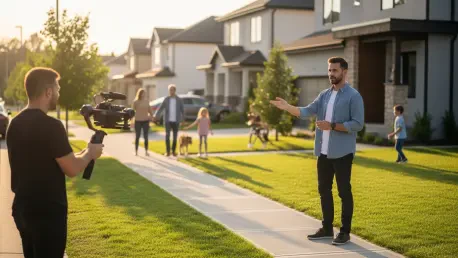
One of the most effective strategies for becoming a local expert involves focusing on specific neighborhoods rather than attempting to cover broad, unmanageable market segments. Real estate agents are achieving this by creating evergreen video content centered on individual communities or subdivisions that residents actually care about. By filming detailed tours and answering the specific questions buyers have about a particular enclave—such as the quality of local parks or the typical commute times—agents ensure they appear at the top of search results exactly when a potential client is researching that specific area. This granular approach provides long-term value because the information remains relevant for years, establishing the agent as the go-to resource for a very specific geographical location. Instead of being a generalist who knows a little about many places, the successful agent becomes the definitive voice for a few key neighborhoods where they intend to dominate the local market share.
In addition to property-specific details, real estate professionals are increasingly highlighting local business openings and community developments to broaden their appeal within the town. By acting as a champion for the local economy—whether through showcasing a new downtown attraction, a family-owned bakery, or a favorite coffee shop—they become a vital part of the town’s social fabric. This strategy shifts the agent’s role from a simple service provider to a community specialist who is deeply invested in the area’s growth and lifestyle. When an agent promotes a local small business, they are not just creating content; they are building a bridge between their brand and the community. This creates a reciprocal relationship where business owners and residents begin to view the agent as an ally rather than just another salesperson. Over time, this consistent visibility in non-real estate contexts builds a level of trust that generic industry posts could never achieve in the digital space.
Building Trust Through Authenticity and Process Documentation
Authenticity has become a primary competitive advantage because it creates a connection that automated technology and artificial intelligence cannot replicate easily. Many agents are finding success by sharing their real lives, including the challenges of parenthood, military service transitions, or significant personal milestones. By being vulnerable and relatable, they move beyond transactional interactions and build a “tribe” of followers who share similar values and life experiences. This human-centric approach makes the professional relationship feel more personal and secure for clients who are making the largest financial decision of their lives. When potential clients see an agent as a real person with a family and hobbies, they are more likely to reach out because the barrier of formality has been removed. This shift toward personal branding allows the agent to attract like-minded individuals, creating a referral network based on shared identity and mutual respect rather than just professional convenience.
This focus on reality extends to how agents showcase their professional work through the lens of documentation rather than highly curated creation. Instead of waiting for a “perfect” moment to record a pristine marketing message, agents are using a behind-the-scenes format to show the daily grind of the real estate business. Sharing the journey of a transaction—including the unexpected hurdles during inspections and the small wins at the closing table—builds a culture of transparency. It allows potential clients to see exactly what it is like to work with the agent, effectively proving their competence through real-time action rather than empty promises. This “vlog” style of communication demystifies the real estate process for first-time buyers and sellers, making the agent appear more approachable and experienced. By witnessing the agent solve problems for others, prospective clients gain the confidence that the same level of care and expertise will be applied to their own future real estate needs.
Mastering Authority Through Local News and Storytelling
Many top-performing real estate agents are adopting a journalistic approach to their markets by functioning as the primary news source for their local areas. Using tools like green-screen technology or adopting local reporting styles, they provide consistent updates on infrastructure projects, school board decisions, and new commercial zoning. By becoming the first point of contact for news regarding the town, they effectively control the narrative surrounding local developments. This positions the agent as a highly informed authority who understands the intricate nuances of the market better than any outside source or national news outlet. Residents begin to rely on these updates to understand how their property values might be affected by a new highway or a renovated public park. This level of insight transforms the agent into a local influencer of a different kind—one whose influence is rooted in factual knowledge and civic engagement rather than just aesthetic appeal or social popularity.
Finally, successful agents use their current listings as marketing engines to showcase their storytelling abilities to a wider audience of potential sellers. Rather than just posting a standard “just listed” flyer with basic property specifications, they use high-quality video to tell the story of the home and the unique lifestyle it offers. This narrative approach serves two purposes: it helps sell the property at hand by engaging emotional triggers, and it acts as a high-end visual resume for future sellers watching from the sidelines. When a neighbor sees how much effort an agent puts into telling the story of a nearby house, they are far more likely to hire that same agent when it is their turn to list. By focusing on service, consistency, and local relevance, agents can build a sustainable, referral-based business that thrives regardless of viral trends or algorithm changes. This method ensures that the agent is not just chasing the next lead but is instead building a long-term reputation as a community staple.
Forward-Looking Strategies and Actionable Professional Development
The transition from digital influencer to local practitioner was achieved by agents who prioritized long-term community value over short-term viral success. To ensure growth from 2026 to 2028, real estate professionals focused on diversifying their content to include both property data and local lifestyle insights. They recognized that building a sustainable business required a deep understanding of the local landscape and an unwavering commitment to authenticity. The most successful agents implemented a strategy of constant documentation, ensuring that their daily activities were visible to potential clients. They used local news reporting to establish themselves as authority figures and storytelling to differentiate their listings in a crowded market. By shifting their focus to being useful neighbors rather than distant celebrities, these professionals secured their place as indispensable assets within their communities. The actionable path forward involved a consistent schedule of updates and a dedication to serving the public interest.
Ultimately, the shift toward hyper-local expertise provided a roadmap for agents to navigate the complexities of a modern, tech-driven marketplace. Those who moved away from the influencer model discovered that the most valuable connections were found in their own backyards rather than in digital echo chambers. They invested in high-quality video equipment and journalistic research to ensure their market updates were both accurate and engaging. This proactive approach allowed them to build a robust referral network that operated independently of traditional lead generation platforms. By the end of 2026, the industry saw a significant increase in consumer trust for agents who demonstrated a deep knowledge of their specific zip codes. Moving forward, the focus remained on refining these local narratives and leveraging emerging technologies to deliver even more personalized value to residents. These steps solidified the agent’s role as a trusted advisor, ensuring long-term stability and professional fulfillment in an ever-evolving industry.