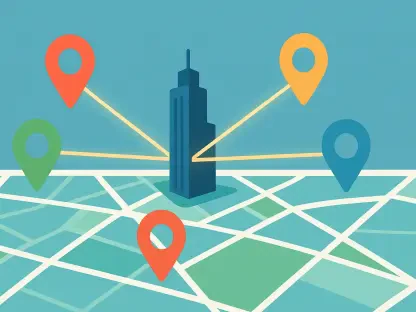

The digital noise of the current marketplace has transformed the humble email inbox into one of the most valuable pieces of real estate for any physical storefront. While many brands chase global reach, the most successful retailers are finding that a hyper-focused, neighborhood-centric approach yields a far more impressive return on investment. In a landscape where consumers are bombarded by generic advertisements, a message that acknowledges their specific location acts as a bridge between the screen and the sidewalk. Local email marketing is no longer just a secondary support channel; it is a primary driver of physical community engagement and sustainable retail growth.
This strategic shift toward localized outreach builds a level of trust and relevance that broad-based national campaigns simply cannot match. When a business communicates with its immediate neighbors, it creates a sense of belonging and community that transcends a simple transaction. By prioritizing these local connections, retailers can see improved customer loyalty and a significant uptick in store visits. This approach ensures that every message sent is physically actionable, meaning the recipient is actually within a reasonable distance to walk through the front door and participate in what is being offered.
Why Prioritizing Localized Email Strategies Is Essential
Localized outreach functions as a personalized digital handshake, signaling to the customer that the brand is an active participant in their local environment. This specificity cuts through the clutter of general promotions by offering information that is immediately useful to the recipient’s daily life. When an email mentions a street name, a local holiday, or a neighborhood event, it immediately increases the perceived value of the communication. This relevance is the key to maintaining high open rates and, more importantly, high conversion rates from digital clicks to physical footsteps.
The economic benefits of this strategy are substantial, often resulting in a higher return on investment because marketing spend is not wasted on distant audiences who will never visit the shop. Furthermore, local emails help solidify a business’s role as a community hub rather than just a commercial entity. By fostering these ties, a brand creates a resilient customer base that is less likely to be swayed by larger, impersonal competitors. The focus remains on building a long-term relationship where the customer feels seen and appreciated within their own geographic context.
Best Practices for Converting Subscribers into In-Store Visitors
To successfully transform a digital presence into tangible foot traffic, a business must move beyond the “send to all” mentality. The goal is to create a seamless transition for the subscriber, removing every possible barrier between reading the email and deciding to leave the house. This requires a combination of technical precision, creative messaging, and logistical clarity that makes a visit to the physical store feel like the natural next step in the customer journey.
Advanced Audience Segmentation and Geographic Tagging
Effective local marketing begins with a deep understanding of where the audience lives and how they interact with the physical space. Segmenting an email list by ZIP code or neighborhood proximity allows a brand to send highly targeted invitations that are relevant only to those who can realistically attend. However, the most sophisticated marketers take this a step further by layering geographic data with past in-store purchasing behavior. This ensures that the message is not only sent to the right person but also contains the right offer at the right time.
Case Study: Magnolia Bakery’s Behavioral Layering
The power of this layered approach is clearly demonstrated by how businesses like Magnolia Bakery handle seasonal demand. By tracking specific in-store purchases, such as a holiday pie or a specialized dessert, the brand can send localized reminders to those exact customers when the season returns. This behavioral tagging creates a highly relevant, localized nudge that drives repeat visits. It transforms a generic promotional email into a thoughtful reminder that aligns perfectly with the customer’s established shopping habits and local traditions.
Crafting Localized Subject Lines with High Impact
The subject line is the most critical gatekeeper in any email campaign, and for local businesses, it serves as a digital tap on the shoulder. Including local signifiers such as a city name, a neighborhood landmark, or a reference to a specific local event creates an immediate sense of urgency. This technique signals that the content inside is not just another mass-produced advertisement but a curated message designed specifically for people in that area. It captures attention by appealing to the subscriber’s sense of place and identity.
Example: Using Regional Relevance to Increase Open Rates
Consider the difference in engagement between a generic subject line and one that leverages local identity. A subject line like “Check out our new weekend specials” is easily ignored, whereas “This Weekend in Brooklyn” immediately resonates with a specific group of people. This regional relevance acts as a powerful filter, drawing in the most qualified leads who are already physically positioned to act on the information. The result is a significant lift in open rates and a much higher likelihood of the recipient making a trip to the store.
Engineering Urgency with In-Store Exclusive Incentives
Creating a reason to visit the store right now requires the strategic use of urgency and exclusivity. Emails should feature offers that are only redeemable in person, such as “early mover” rewards for the first twenty visitors or limited-time discounts that expire within a few days. These incentives serve to overcome the inertia of online shopping, providing a clear and immediate benefit for making the effort to travel to a physical location. When the value proposition is tied to a physical experience, the digital message becomes a catalyst for real-world action.
Case Study: Bel Kazan’s Social Invitations
The clothing brand Bel Kazan provides an excellent example of how to frame an email as a social event rather than a sales pitch. By inviting subscribers to a “mix and mingle” session at a specific location, they transform the retail experience into a communal activity. This strategy creates a social incentive to visit, making the customer feel like they are part of an exclusive inner circle. It shifts the focus from the transaction to the experience, which is a powerful way to build brand affinity and drive foot traffic simultaneously.
Providing Logistical Clarity and Seamless Mobile Optimization
One of the most common reasons a local email fails to drive traffic is a lack of clear logistical information. Since most users check their email on mobile devices while they are out and about, the layout must be optimized for quick reading. Essential details such as the store address, hours of operation, and even a link to a map should be prominently displayed. Removing this friction is vital; if a customer has to search for the location or guess the store hours, they are far more likely to abandon the idea of visiting altogether.
Case Study: Fishwife’s Event Itineraries
Transparency and structure are the hallmarks of successful local event planning, as seen in the way Fishwife handles their pop-up invitations. They provide a clear, structured itinerary that details the “where, when, and why” of their local events. This level of logistical clarity allows local subscribers to plan their day around the visit, reducing the mental load required to participate. By treating the email like a mini-program, they ensure that the recipient has all the information they need at their fingertips, leading to higher attendance and better engagement.
Final Evaluation: Future-Proofing Your Local Retail Presence
The transition from delivering generic marketing blasts to crafting localized invitations created a more resilient and meaningful retail ecosystem for those who adopted these practices. Businesses that integrated their point-of-sale systems with their email platforms found themselves equipped with a wealth of data that allowed for increasingly precise targeting. This synchronization between the digital and physical realms ensured that marketing efforts were always grounded in actual customer behavior. The shift emphasized that being a central part of a neighborhood was a competitive advantage that no global e-commerce giant could easily replicate.
Small businesses and retailers who mastered these strategies became anticipated fixtures in their communities, moving beyond the role of simple vendors. They leveraged the power of the inbox to create a sense of belonging, using data not just to sell but to serve. The most successful owners realized that a localized email was a tool for building a community hub, where every open and click represented a potential real-world connection. By focusing on relevance over reach, these businesses secured their place in the daily lives of their customers and ensured that their physical storefronts remained vibrant and busy.