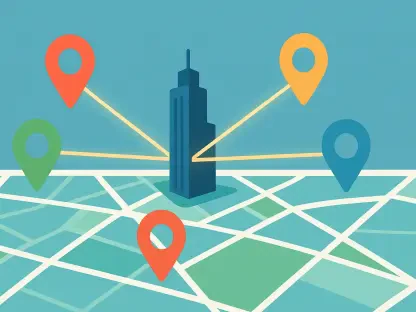

The simple act of sending an email has evolved from a shot in the dark to a precision-guided strike that acknowledges the physical reality of every single recipient. In a marketplace saturated with noise, the ability to anchor a digital message to a specific physical location serves as a critical differentiator for modern brands. Geo-targeting functions as a marketing global positioning system, guiding organizations away from the inefficiencies of broad-spectrum campaigns toward a more surgical approach. By aligning content with a user’s geographical context, companies can ensure that their messaging feels intuitive rather than intrusive.
Bridging the digital divide requires a fundamental shift in how marketers perceive the inbox. Instead of viewing the recipient as a data point in a vacuum, geo-targeting treats them as a person living in a specific environment with unique needs. This transition involves utilizing essential components such as accurate audience segmentation by zip code or region, selecting technical tools that can parse complex location data, and leveraging local insights to drive meaningful engagement. When a digital message reflects the actual weather, local events, or regional slang of the reader, the gap between the brand and the consumer narrows significantly, fostering a sense of immediate relevance.
Bridging the Digital Divide with Location-Based Marketing
The transition of email marketing from a mass-communication tool into a precision instrument has changed the rules of engagement for every industry. Geo-targeting allows brands to move beyond the “one size fits all” mentality that once dominated the digital landscape. By treating location as a primary filter, marketers can deliver content that feels like a natural extension of the recipient’s daily life. This strategy bridges the gap between a remote digital server and the physical storefront, creating a seamless experience that guides the consumer from their inbox to a local point of sale or service.
Implementing this strategy requires a focus on three core pillars: segmentation, technology, and contextual data. Precise segmentation ensures that the right groups receive the right messages, while the choice of technical tools determines how effectively a brand can scale these efforts without losing the personal touch. Furthermore, by incorporating local data—such as regional economic trends or popular community activities—brands can prove they are paying attention to the world their customers inhabit. This creates a level of brand intelligence that transforms a generic sales pitch into a valuable, localized resource.
The Evolution of Consumer Expectations and Geographical Insights
Modern marketing is no longer a game of volume; it has become a game of relevance where reaching the right person in the right place is the only way to win. High-end retailers and industry leaders have already conditioned the public to expect a high degree of personalization. Current data suggests that over three-quarters of consumers now expect brands to understand their individual circumstances. This shift has turned geo-targeting from a sophisticated luxury reserved for the world’s largest corporations into a fundamental necessity for any business seeking to maintain a competitive edge in an crowded digital environment.
Understanding the geographical “where” behind an audience allows for a far more nuanced understanding of the “who” and the “why.” Geography influences almost every aspect of a consumer’s life, from their daily commute and the clothes they wear to the food they crave and the cultural events they celebrate. By acknowledging these regional lifestyles and climates, brands can demonstrate a level of respect and empathy that builds long-term loyalty. When a company respects cultural nuances and regional preferences, it stops being a faceless entity and starts being perceived as a knowledgeable partner that truly understands the local landscape.
A Step-by-Step Blueprint for Implementing Geo-Targeted Campaigns
Step 1: Laying the Technical Foundation with Integrated Tools
Building a successful geo-targeted campaign starts with selecting the right technical infrastructure to support complex data needs. A robust marketing stack must act like a Swiss Army knife, capable of managing location-based information with high precision and speed. Without a solid foundation, even the most creative campaigns will fail to reach their intended destinations. Marketers must evaluate their current systems to ensure they can handle the influx of geographical data without creating bottlenecks or inaccuracies in the delivery process.
The technical setup also requires a focus on the ability to scale. As a business grows, the number of geographical segments will naturally increase, demanding a platform that can automate much of the heavy lifting. Efficient tools allow teams to manage hundreds of local variations of a single campaign with minimal manual effort. This scalability is essential for maintaining a consistent brand voice across diverse regions while still providing the localized nuances that make geo-targeting so effective in the first place.
Prioritizing CRM and Segment-Capable Software
Organizations must prioritize email platforms that offer advanced segmentation capabilities and integrate seamlessly with existing CRM systems. A unified data flow is the lifeblood of geo-targeting, as it ensures that location information is updated in real time and reflected across all marketing channels. When the CRM and the email platform communicate effectively, the risk of sending outdated or irrelevant location-based offers is significantly reduced.
Advanced software should also provide the ability to create dynamic content blocks that change based on the recipient’s location. This means a single email template can serve different images, offers, and calls to action depending on where it is opened. By investing in tools that support this level of sophistication, marketers can ensure that their data remains actionable and their segments remain accurate, providing a stable platform for more creative outreach efforts.
Ensuring User-Friendliness for Agile Marketing
While technical power is important, selected tools must remain intuitive enough for marketing teams to use without constant intervention from IT departments. Agile marketing requires the ability to react quickly to local trends, such as a sudden sports victory or a regional news event. If the software is too complex, the opportunity for a timely geo-targeted message might pass before the campaign can even be built.
A user-friendly interface allows for faster experimentation and execution. Marketing teams should look for platforms that offer visual builders and easy-to-understand analytics dashboards. This accessibility empowers team members at all levels to contribute to the localization strategy, ensuring that the brand remains responsive and connected to its various geographical audiences.
Step 2: Personalizing Content Based on Local Lifestyle and Climate
Geography serves as one of the most powerful indicators of lifestyle, and effective email campaigns must respect the physical environment of the recipient to foster trust. Content that ignores the reality of the reader’s surroundings can come across as tone-deaf or automated. For instance, receiving an advertisement for heavy winter coats while living through a heatwave in a southern state can immediately break the connection between a brand and a consumer.
Authentic personalization goes beyond just swapping out a city name in a subject line. It involves a deep dive into the daily experiences of people in different regions. By aligning product recommendations and messaging with the local reality, brands can demonstrate brand intelligence and a genuine interest in the customer’s well-being. This approach makes the brand feel like a helpful neighbor rather than a distant corporation, which is a powerful psychological trigger for consumer loyalty.
Adapting Product Recommendations to Regional Weather
Promoting winter gear in cold northern climates while highlighting swimwear in tropical regions shows a level of thoughtfulness that enhances brand credibility. Modern email tools can integrate with real-time weather APIs to trigger specific product recommendations based on the current conditions at the recipient’s location. This ensures that the content is always relevant to the immediate needs of the consumer.
Beyond the obvious seasonal shifts, weather-based targeting can address specific local events like rainstorms or unexpected heat spikes. A business that offers a “rainy day” discount on delivery services to people currently experiencing a storm creates a high-value interaction. This type of contextually aware marketing transforms a standard promotional email into a useful service that solves a problem in the moment.
Tailoring B2B Outreach to Industry-Specific Hubs
For B2B organizations, geo-targeting allows for the concentration of lead generation efforts on high-value industrial zones and tech hubs. By identifying where specific industries are clustered, sales teams can tailor their messaging to address the unique challenges of those regions. For example, a campaign targeting businesses in a manufacturing-heavy state like Ohio might focus on logistics and supply chain efficiency, while a campaign for Silicon Valley firms might emphasize rapid scaling and innovation.
This targeted approach ensures that the marketing budget is spent where the potential for a high return on investment is greatest. Instead of a broad national campaign that might fall flat in diverse markets, B2B marketers can speak the language of local industries. This specialized outreach builds authority and demonstrates that the company understands the regional economic drivers that influence their prospects’ business decisions.
Step 3: Mastering the Art of Timing and Cultural Relevance
The success of an email often hinges on the precise moment it lands in the recipient’s inbox. A message that arrives at three in the morning is likely to be buried under a mountain of other notifications by the time the user wakes up. Geo-targeting allows for the synchronization of delivery times with the recipient’s local clock, ensuring that the message arrives when they are most likely to be engaged and ready to take action.
However, timing is not just about the hour of the day; it is also about cultural relevance. Different regions have different rhythms, holidays, and community traditions. A brand that respects these local timelines can build a much deeper connection than one that sticks to a rigid, centralized schedule. By aligning digital communication with the physical heartbeat of a community, marketers can achieve a level of resonance that generic campaigns simply cannot match.
Syncing Deliveries with Local Time Zones and Festivities
A promotion for a morning coffee or a breakfast special must arrive in the morning regardless of whether the recipient is in New York or Los Angeles. Time zone synchronization is a basic yet powerful application of geo-targeting that prevents messages from being ignored. Moreover, campaigns should align with regional holidays and local festivities that might not be celebrated nationwide, such as specific state holidays or local festivals.
Acknowledging these local moments shows that the brand is part of the community’s fabric. It demonstrates that the marketing team is not just pushing a global agenda but is genuinely engaged with the local culture. This sensitivity to timing and tradition reduces the “spam” feel of email marketing and replaces it with a sense of curated, localized attention.
Leveraging Real-Time Events for Immediate Engagement
Using real-time data to respond to sudden events can turn a standard sales pitch into an incredibly valuable service. Whether it is a local sports team winning a championship or a sudden weather event, brands that can pivot their messaging in real time to reflect these occurrences see much higher engagement rates. This level of responsiveness requires both the right technology and a marketing team that is empowered to act quickly.
Immediate engagement is about being there for the consumer when a specific need arises. If a local event causes traffic delays, a service provider could send an email highlighting their remote or digital options. By using geography to understand what is happening on the ground in real time, brands can provide solutions that are both timely and genuinely helpful, cementing their place as a reliable resource in the customer’s eyes.
Step 4: Refining Performance Through Rigorous A/B Testing
Long-term success in geo-targeting is not achieved through a single campaign but through a process of continuous refinement. Marketers must treat every geographical segment as a unique laboratory where they can learn more about specific audience preferences. What works in a bustling urban center like Chicago might fail in a rural community in Vermont. Rigorous A/B testing allows teams to move past assumptions and base their strategies on hard data.
Testing also helps to prevent the strategy from becoming stagnant over time. As regional tastes and behaviors evolve, the marketing approach must evolve with them. By maintaining a constant cycle of testing and optimization, brands can stay ahead of the curve and ensure that their geo-targeted messages remain as effective as the day they were first launched. This commitment to data-driven improvement is what separates top-tier marketers from the rest.
Isolating Variables to Identify Regional Preferences
To truly understand what drives engagement in different areas, marketers must isolate specific variables during their tests. By changing only one element at a time—such as the subject line, the featured local landmark in an image, or a specific regional reference—teams can identify exactly which component is resonating with a particular audience. This granular level of analysis provides insights that can be applied to future campaigns with much higher confidence.
For instance, one city might respond better to subject lines that mention local sports teams, while another might prefer references to the local weather or community landmarks. Identifying these nuances through controlled testing allows for the creation of highly specialized content libraries. Over time, this data builds a comprehensive map of regional preferences that can guide every aspect of the marketing strategy.
Establishing a Continuous Feedback Loop for Optimization
Data gained from one localized campaign should directly inform the strategy for the next, creating a loop of constant improvement. This feedback loop ensures that successes are replicated and mistakes are not repeated across different regions. It also allows for the sharing of insights between teams, where a successful tactic discovered in one territory can be tested and adapted for another.
Optimization is an ongoing journey that requires regular check-ins on key performance indicators like open rates, click-through rates, and conversion numbers within each geographical segment. By monitoring these metrics closely, marketers can spot trends and shifts in behavior early, allowing them to adjust their tactics before a campaign loses its effectiveness. This proactive approach to data management ensures the long-term health and ROI of the geo-targeting strategy.
Key Elements of a High-Impact Geo-Targeting Strategy
A high-impact strategy is built upon the foundation of precision segmentation, where lists are divided based on accurate and real-time geographical data rather than outdated assumptions. This precision allows for the second key element, which is contextual relevance. By aligning products and services with the specific lifestyles and climates of each region, brands ensure their messages are always welcome. Furthermore, synchronized timing ensures that these relevant messages land in inboxes at the most opportune moments for each specific time zone and local schedule.
Technical synergy is another vital component, requiring the use of integrated tools that provide actionable analytics through a user-friendly interface. Without this synergy, the data remains trapped and unusable. Finally, cultural sensitivity acts as the final polish on a successful strategy. Crafting authentic messages that respect local traditions and avoid lazy stereotypes ensures that the brand builds genuine rapport with its audience. When these elements work together, they transform a standard email list into a powerful engine for localized growth and customer retention.
Navigating the Next Frontier: Privacy, Innovation, and Hyper-Localization
The future of this discipline is closely tied to technological advancements like real-time analytics and Augmented Reality, which will continue to blur the lines between digital interactions and physical reality. We are moving toward a world where an email might not just suggest a product but offer a virtual preview of how that product looks in the recipient’s actual local environment. However, as these capabilities expand, the importance of maintaining data privacy becomes even more critical. Transparency regarding how location data is collected and used will be the hallmark of the most successful and trusted brands.
Marketers must also navigate the risks of hyper-localization and over-segmentation. While targeting is effective, dividing an audience too thinly can lead to messages that are confusing or overly complex to manage. The challenge lies in finding the “sweet spot” where the message is personalized enough to be relevant but broad enough to maintain a clear brand identity. By focusing on quality over quantity and respecting the boundaries of the consumer, brands can continue to innovate in the geo-targeting space without alienating their core audience.
Transforming Your Inbox Presence into a Localized Experience
The implementation of geo-targeting proved to be the definitive turning point for marketers who sought to increase their relevance and conversion rates in a crowded digital landscape. By selecting the right technical tools and focusing on authentic personalization, organizations successfully transformed their generic outreach into bespoke narratives that respected the recipient’s location and immediate context. The process of auditing existing strategies and integrating location-based insights allowed brands to provide value exactly when and where their audiences needed it most.
As the industry moved forward, the most successful campaigns were those that maintained a rigorous testing schedule and a high degree of cultural sensitivity. Marketers found that by treating every region as a unique community rather than a generic demographic, they were able to build deeper trust and long-term loyalty. This transition toward hyper-relevant, location-aware communication ensured that email marketing remained a vital and effective tool for reaching consumers in an increasingly fragmented world. Ultimately, the move toward geo-targeting allowed brands to become an integral part of their customers’ daily lives, proving that the most effective digital messages were those firmly rooted in the physical world.