
The persistent reliance on sterile corporate logos and automated outreach has finally hit a breaking point as professional audiences demand genuine human connection over generic marketing promises. In an era where professional feeds are inundated with polished brand logos and generic corporate messaging, why do most B2B ads fail to stop the scroll? The modern professional is no longer just a lead in a database; they are an individual seeking authenticity and value in a crowded digital marketplace. As the industry navigates the current year, the traditional playbook of static, volume-heavy advertising is yielding to a more nuanced, human-centric methodology that prioritizes quality over quantity.
This transition reflects a fundamental rejection of the faceless entity in favor of a relatable voice. Marketers who continue to broadcast from behind a corporate shield find themselves shouting into a vacuum, as the cost of being ignored now far outweighs the investment in creative experimentation. The shift toward a personality-driven approach is not merely a trend but a survival mechanism in a world where attention is the most valuable currency. Brands that fail to adapt are discovering that their high-budget campaigns are being bypassed by nimble competitors who understand that the professional buyer is, first and foremost, a person.
The High Cost of the “Faceless Corporate” Approach
The saturation of the professional feed has created a paradox where more content often results in less engagement. For years, the B2B sector leaned heavily on the security of corporate branding, believing that a formal tone and a high-frequency posting schedule would eventually wear down a prospect’s resistance. However, the reality of the current landscape is that these faceless campaigns often suffer from diminishing returns, as users have developed a subconscious filter for anything that looks like a traditional advertisement. This psychological wall is difficult to breach with generic value propositions, leading to skyrocketing acquisition costs for those who refuse to pivot.
Moving toward a more personalized model requires a departure from the safety of the corporate brand guide. The high cost of remaining faceless is measured not just in wasted ad spend, but in the erosion of trust between the brand and its potential clients. When a professional encounters a stream of indistinguishable corporate updates, the lack of a human touch creates a sense of detachment. To effectively stop the scroll, a campaign must present something that feels visceral and immediate, moving away from the abstract promises of a logo and toward the concrete solutions offered by a trusted peer.
Adapting to the New Professional Mindset
The landscape of B2B marketing has undergone a radical transformation, driven by shifting consumption habits and sophisticated platform updates. Professionals now engage with LinkedIn in a specific work mode mindset, often checking their feeds in short bursts between meetings or during brief periods of downtime. This behavioral shift demands a change in how brands communicate, as the window of opportunity to capture interest has shrunk significantly. Understanding this evolution is critical because the strategies that felt effective only a few seasons ago are becoming increasingly obsolete in a high-speed digital environment.
To remain competitive, marketers must bridge the gap between technical data integration and the psychological needs of their target audience. The modern professional is looking for content that respects their time and intelligence, offering immediate utility rather than a long-winded sales pitch. This means that messaging must be punchy, relevant, and delivered in a format that fits naturally into a busy schedule. By aligning creative assets with the user’s current mental state, brands can foster a sense of alignment that traditional outreach often misses.
High-Impact Tactics: The 2026 LinkedIn Ecosystem
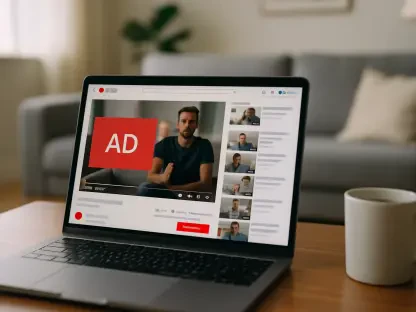
The rise of short-form video on the platform marks a departure from long-winded webinars and dry corporate overviews. The current sweet spot for engagement lies between seven and fifteen seconds, focusing on tutorials, professional challenges, and credible case studies that provide value within the first few frames. Unlike consumer-facing platforms, LinkedIn video requires a bespoke strategy that respects professional intent while delivering a message that is both aesthetically pleasing and intellectually stimulating. This brevity ensures that the core message is received even by the most time-constrained executive.
One of the most effective ways to bypass corporate fatigue is through the strategic use of Thought Leader Ads. By boosting content from the personal profiles of employees, brands can leverage individual credibility and a more natural tone that resonates deeper than a company page update. This strategy transforms a faceless entity into a trusted advisor, utilizing humor and personal insight to drive engagement rates that standard business profiles rarely achieve. Furthermore, the implementation of personalized creative and geographic targeting has moved beyond simple name-tagging, with data showing that tailoring assets to specific regions can reduce cost per lead by up to thirty-three percent.
Transitioning toward quality is now facilitated by Qualified Lead Optimization through the Conversions API. By syncing first-party CRM data back to the platform, the algorithm can learn from actual sales outcomes, optimizing for qualified actions rather than just surface-level form completions. Simultaneously, operational efficiency is becoming a competitive advantage through features like ad duplication, which allows teams to scale campaigns across different regions with minimal friction. Emerging channels like Connected TV also offer a new frontier for B2B brands to test high-level messaging on a larger screen, targeting niche professional audiences in a premium, distraction-free environment.
The Evidence: A Human-Centric and Data-Driven Model
Research and performance data throughout the current cycle underscore a significant trend where people buy from people, even in the most technical B2B spaces. Expert analysis confirms that Thought Leader Ads published within a thirty-day window of their organic peak see the highest compounding value, as the initial organic momentum serves as a powerful signal for the paid algorithm. This data-driven approach demonstrates that the most successful campaigns are those that blend human intuition with machine learning. When a campaign feels personal but is backed by rigorous data tracking, the results are consistently superior to those of unoptimized, broad-reach efforts.
Regional nuances in Europe and the United States suggest that while personalization is powerful, it must be balanced against cultural attitudes toward data privacy to remain effective. In the American market, highly specific targeting often yields the best results, whereas European audiences might respond better to value-based messaging that respects their digital boundaries. Despite these differences, the underlying truth remains that trust is the primary driver of conversion. Evidence shows that brands emphasizing the expertise of their people over the specifications of their products see a more loyal following and a shorter sales cycle over the long term.
A Practical Framework: 2026 Marketing Objectives
To maximize the impact of modern advertising, it was essential to ensure that all featured employees had Creator Mode activated on their profiles. This allowed prospects to follow the individual directly, building a long-term audience that benefited both the employee’s personal brand and the company’s broader reach. The integration of CRM data via the Conversions API also became a foundational step, establishing specific conversion events that mirrored the actual sales funnel milestones. This technical alignment provided the platform with the necessary training data to find users who matched the Ideal Customer Profile, moving away from a quantity-first mindset that often cluttered the pipeline with low-intent leads.
Executing a tiered video content strategy proved to be a highly effective method for nurturing prospects through the funnel. Marketing teams started with in-feed video ads to establish a performance baseline before moving to specialized placements like First Impression Ads. Short-form video was treated as a top-of-funnel engagement tool, ensuring that a robust retargeting plan was in place to guide viewers toward high-intent actions. To mitigate creative burnout, organizations adopted hybrid campaigns that rotated a mix of personalized and broad-reach assets. Performance was monitored every thirty days, and when engagement dropped, new creative variations were introduced to keep the algorithm optimized and the messaging fresh.
The shift toward these strategies represented a significant milestone in how professional services were marketed. Successful practitioners realized that the combination of humanized content and deep technical integration was the only sustainable way to achieve growth. By prioritizing the quality of the connection over the volume of the noise, brands were able to secure a dominant position in an increasingly competitive landscape. The transition toward a more empathetic, data-informed model ensured that marketing efforts remained relevant to the needs of the modern professional. Ultimately, the focus on building authentic relationships through sophisticated digital tools allowed businesses to thrive in a world where the human element had become the ultimate differentiator.