
The reversal of the traditional design process means that projects now begin with conceptual intent rather than technical decisions like color palette selection. This fundamental shift marks the transition from a manual, labor-intensive construction of visual elements to a strategic methodology driven by generative artificial intelligence. Historically, the production of professional-grade visuals required a specialized mastery of complex software suites and a deep understanding of technical variables such as focal lengths or color theory. In the current landscape of 2026, the “blank canvas” anxiety has been replaced by a sophisticated multimodal dialogue. Creators no longer spend the initial phases of a project adjusting layers or fine-tuning vectors; instead, they focus on articulating the high-level vision and atmospheric requirements of a piece. This evolution has effectively democratized the ability to produce high-fidelity imagery while simultaneously increasing the value of unique creative direction. By utilizing artificial intelligence as a bridge between abstract thought and visual realization, the industry has moved into a space where human intent is the primary engine of production, and technical execution is handled by intelligent algorithms that can interpret and expand upon minimal initial instructions.
Mastering the Language of Visual Prompts
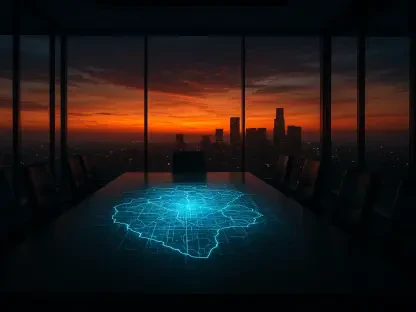
As the technology continues to mature, the act of prompting has emerged as a legitimate and highly valued creative discipline within the professional design community. It is a common misconception that generating a high-quality visual is a simple, automated task requiring only a single click. In reality, the quality of the final output is inextricably linked to the clarity, nuance, and information density of the user’s input. Professional creators now treat prompts as complex scripts that dictate the essential pillars of visual storytelling. This involves a precise orchestration of subject matter, environmental conditions, and technical specifications such as camera angles, lighting temperature, and depth of field. For example, a professional might specify a wide cinematic view of a coastal metropolitan area at sunset with light reflecting off glass skyscrapers, rather than a vague request for a futuristic city. This level of specificity ensures that the AI model can calculate the correct shadows, reflections, and atmospheric haze, resulting in an image that aligns perfectly with a predetermined professional standard.
Beyond the technicalities of text, the evolution of visual creation now incorporates multimodal inputs that provide a more robust foundation for the creative process. Reference images have become a vital component of the modern workflow, serving as a visual anchor that descriptions alone often struggle to convey. This is particularly crucial for maintaining brand identity or character consistency across different media assets. By uploading a specific product photograph or a basic character sketch, a designer can instruct the generative system to modify the background, lighting, or context while preserving the core integrity of the primary subject. Furthermore, the integration of rough spatial sketches allows users to define the composition and layout of a scene directly. Even a rudimentary drawing can communicate the placement of furniture in a room or the direction of light from a window more effectively than a lengthy paragraph of text. These hybrid workflows, which combine verbal descriptions with visual and spatial references, represent the new gold standard for precision in the creative industry, allowing for a level of control that was previously impossible to achieve at such high speeds.
Precision Editing and Iterative Workflows
The current consensus among industry experts highlights that modern visual creation is no longer a “one-and-done” event but rather an iterative conversation between the creator and the machine. The introduction of advanced models has shifted the paradigm toward multi-turn editing, where a user can refine specific segments of an image without disrupting the overall composition or style. This iterative capability transforms the AI from a basic generator into a powerful rapid prototyping system. For instance, a creator can generate a high-fidelity scene and then use localized commands to move a specific object, change the color of a garment, or update the weather conditions in the background. Specialized API variants have further categorized these tasks into high-speed generation for brainstorming and high-precision editing for final polishing. This allows for a fluid creative process where ideas can be tested, discarded, or refined in real-time, encouraging a level of experimentation that used to be cost-prohibitive due to the manual labor involved in traditional retouching.
For marketing departments and enterprise-level creative teams, this shift toward iterative AI-driven production has solved the perennial challenge of scaling content without sacrificing quality. Modern advertising campaigns require an immense volume of personalized assets for social media, email marketing, and diverse digital platforms. AI systems now allow teams to take a single core concept and rapidly generate dozens of variations that are perfectly tailored to different demographic segments or technical specifications. The primary focus for these professionals has shifted to maintaining “reference fidelity,” which ensures that brand-specific colors, typography, and environmental aesthetics remain consistent across every generated asset. This technological capability allows marketing strategists to focus their energy on the psychological and emotional impact of a campaign while the AI handles the repetitive task of asset variation. The result is a more efficient production cycle where strategic thinking is the primary driver of value, and the technical execution of hundreds of unique files is handled by intelligent automation.
The Human Element in Creative Direction
A recurring theme in the ongoing evolution of visual design is the realization that artificial intelligence serves as a powerful accelerator rather than a replacement for human talent. While these models can execute complex visuals at incredible speeds, they lack the inherent understanding of audience psychology, cultural nuances, and the underlying narrative of a brand. A designer’s experienced eye for composition, a photographer’s intuitive sense of lighting, and a marketer’s deep understanding of brand voice remain the governing forces behind any successful piece of content. The quality of the output produced by even the most advanced AI is ultimately limited by the quality of the creative direction it receives. Two individuals using the identical model and processing power will produce vastly different results based on their ability to guide the tool effectively. Therefore, the “human-in-the-loop” model is not just a preference; it is a fundamental requirement for work that aims to resonate on a human level and achieve specific strategic objectives in a crowded marketplace.
The transition from manual design to AI-assisted collaboration marked a significant milestone in the history of digital media. By shifting the focus from technical construction to conceptual description and iterative refinement, the creative process became more accessible, efficient, and experimental for professionals and novices alike. Organizations that successfully integrated these multimodal workflows found that their creative output increased in both volume and sophistication, allowing for a more responsive approach to market trends. To stay competitive, creators were encouraged to develop a new form of digital literacy that prioritized strategic communication and high-level evaluation over pixel manipulation. Looking forward, the industry stabilized around the idea that the most effective visual storytelling emerged from the synergy between human intuition and machine efficiency. Future considerations focused on further blurring the lines between different input methods, ensuring that the only remaining limit to visual creation was the breadth of the creator’s imagination and their ability to articulate a compelling vision to their digital partners.