
The polished veneer of digital perfection that once defined beauty marketing is rapidly cracking under the weight of a powerful and undeniable consumer demand for something real. In an industry built on aspiration, the new aspiration is authenticity. As brands navigate a landscape saturated with algorithm-pleasing content and automated interactions, a clear strategic imperative has emerged for 2026: the future of beauty belongs to those who can master the delicate balance between high-tech efficiency and high-touch humanity. This report analyzes the pivotal trends shaping this new era, from the consumer revolt against digital “slop” to the rise of community-centric experiences, providing a blueprint for success in a market governed by genuine connection.
The Digital Beauty Counter: Navigating Today’s High-Tech, High-Touch Landscape
The modern beauty brand operates within a complex paradox. On one hand, success requires digital sophistication—mastering new platforms, leveraging data, and utilizing automation to stay competitive. On the other, the core of the beauty industry has always been personal, built on the trust and expertise shared between a professional and a client. Reconciling these two forces is the central challenge, creating a high-tech, high-touch environment where technology must serve, not supplant, the human element.
This new landscape demands more than just a strong online presence; it requires the digital recreation of the trusted consultation experience. Consumers are seeking the same level of personalized advice and genuine care they would expect in a salon or clinic, but through their screens. Brands must therefore evolve their strategies to use technology not simply to broadcast messages, but to listen, respond, and build relationships. The goal is a seamless integration where data insights enhance human creativity and automation frees up professionals to focus on what they do best: connecting with clients.
The Authenticity Mandate: Analyzing the Consumer-Led Shift in Beauty
A fundamental transformation is underway, driven not by brands, but by the very consumers they seek to engage. Years of perfectly curated feeds and unattainable standards have given way to a powerful demand for transparency, personality, and relatable content. This authenticity mandate is reshaping everything from social media aesthetics to brand voice, forcing businesses to abandon impersonal perfection in favor of genuine human expression.
From ‘Slop’ to Self-Expression: The Consumer Revolt Against Inauthenticity
The proliferation of generative AI has created a new and unwelcome form of digital noise: “slop.” This term, which saw online mentions grow by over 200% last year, describes low-effort, uninspired, and clearly automated content created to feed algorithms rather than engage audiences. Consumers are increasingly adept at identifying and rejecting this inauthentic output, and for trust-driven sectors like beauty, the damage to brand reputation can be severe. When clients are seeking tangible results and real expertise, mass-produced content signals a lack of care and credibility.
In direct opposition to this trend, a new appreciation for visible effort and raw personality has emerged. The polished, minimalist aesthetic that dominated for years is being replaced by a desire for content that feels real, even if it is “cringe.” Positive mentions of the term increased by 25% in 2025, signaling a cultural shift where genuine enthusiasm and humor are valued over flawless curation. For salons and clinics, this is an invitation to showcase the people at the heart of the business—the talented therapists, stylists, and reception teams whose personalities make the brand unique.
Data-Driven Indulgence: Quantifying the Rise of ‘Little Treats’ and Personality-Led Content
Amid rising living costs and daily pressures, consumers are actively seeking out small, affordable moments of joy. This “little treat” culture is a significant behavioral trend, with online mentions of the phrase climbing to over 40,000 per month. It represents a strategic pivot toward micro-indulgences that provide an emotional reward without a major financial commitment. Data confirms this movement, with nearly a quarter of marketers planning to center their 2026 strategy around promoting small, feel-good purchases.
The beauty industry is perfectly positioned to cater to this need for accessible self-care. Services like a brow wax, a mini facial, or products like a luxury hand cream function as ideal “little treats.” The marketing implication is clear: the focus must shift from selling a service to selling a feeling. Successful campaigns will tap into emotions of joy, comfort, and everyday victory, positioning their offerings as a well-deserved moment of positivity that clients can look forward to.
The AI Tightrope: Balancing Automation with the Irreplaceable Human Touch
Navigating the role of artificial intelligence requires brands to walk a fine line. While AI presents a tempting solution for generating content at scale, its overuse is the primary driver of the “slop” that consumers now reject. The most successful strategies will not be purely human or purely AI-driven, but a sophisticated hybrid that leverages technology to amplify human creativity, not replace it.
The ideal model involves using AI for backend operational tasks—generating initial caption ideas, helping with post scheduling, or brainstorming campaign themes. This streamlines workflows and boosts efficiency. However, the core elements that define a brand’s identity, such as showcasing staff expertise, sharing authentic client experiences, and conveying a unique brand voice, must remain firmly in human hands. Avoiding the “AI slop bucket” depends on using high-quality, specific prompts, implementing rigorous human editing, and preserving the warmth and personality that technology cannot replicate.
Governed by Trust: The New Rules of Transparency and Digital Ethics
The demand for authenticity is inextricably linked to a broader call for greater transparency and stronger digital ethics. In an environment where AI can generate hyper-realistic but entirely false content, consumer skepticism is at an all-time high. For beauty brands, where trust is the ultimate currency, building and maintaining it is a non-negotiable priority. This means establishing clear rules of engagement for the digital age.
Operating ethically now involves being transparent about the use of AI in marketing, safeguarding client data with the utmost care, and ensuring that all promotional content is an honest reflection of the services provided. The temptation to use technology to create flawless “after” photos or generate generic testimonials must be resisted. Lasting client relationships are built on a foundation of integrity, and in the current climate, any brand that fails to uphold these principles risks alienating its audience permanently.
Beyond the Treatment Room: The Future of Beauty as a Community and Experience
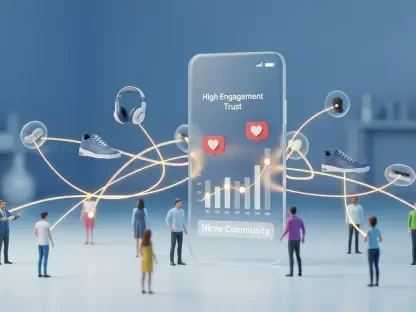
As digital saturation grows, so does the craving for real-world human connection. This trend is fueling a resurgence in live, in-person events, with recent data showing that 57% of event organizers reported increased attendance last year. A significant 75% of attendees stated that immersive experiences help them disconnect from their digital lives and engage more meaningfully. This presents a powerful opportunity for salons and clinics to evolve from mere service providers into vital community hubs.
By hosting events—such as educational evenings on skin health, makeup masterclasses, or even non-beauty gatherings like mindfulness workshops—businesses can foster deeper, more loyal relationships. This strategy positions the brand’s physical space as a destination where clients go not just for a treatment, but to connect, learn, and feel like part of a supportive community. It transforms a transactional relationship into a relational one, building a loyal following that transcends price or convenience.
The Human Imperative: A Strategic Blueprint for Success in 2026 and Beyond
The analysis of the beauty industry’s landscape revealed a clear and decisive pivot toward human-centered marketing. The findings underscored that strategies prioritizing authenticity, personality, and genuine connection were no longer a niche approach but a requirement for relevance and growth. It became evident that the most successful brands were those that adeptly balanced technological innovation with an irreplaceable human touch, using AI as a tool to support, not substitute, creativity.
Ultimately, the exploration of these trends painted a vivid picture of the future. The consumer-led revolt against impersonal content, the embrace of “little treats” for emotional well-being, and the growing desire for in-person community experiences all pointed to a single, overarching theme. The brands that thrived were those that understood their role extended beyond providing a service; they were facilitators of connection, purveyors of joy, and builders of community. This human imperative was, and remains, the definitive blueprint for lasting success.