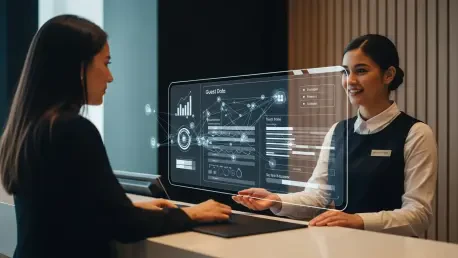

Modern travelers now expect hospitality brands to recognize their preferences before they even step through the door, yet many hotels still struggle with fragmented data systems that fail to communicate. This disconnect often results in missed revenue and generic guest experiences that lack the personal touch required in a competitive market. The integration between WebRezPro and Inntopia Marketing Cloud addresses this gap by bridging the divide between a cloud-based Property Management System (PMS) and a sophisticated Customer Data Platform (CDP). This synergy transforms how independent operators manage guest relationships by turning passive data into active intelligence.
The Evolution of Seamless Hospitality Tech Ecosystems
Historically, the hospitality sector relied on siloed Property Management Systems that functioned primarily as digital ledger books rather than strategic assets. As digital expectations rose, the industry began shifting toward integrated ecosystems where the PMS serves as the operational core, feeding data into specialized platforms. This transition represents a fundamental move away from simple record-keeping toward dynamic guest engagement strategies that utilize real-time insights to drive business growth.
By moving toward a centralized architecture, hotels can finally eliminate the manual labor associated with data entry across multiple softwares. The shift from a legacy PMS to a cloud-based environment has paved the way for deeper API integrations, allowing guest information to flow freely between departments. This evolution ensures that marketing, front desk, and management teams are all working from a single, updated context.
Core Components of the WebRezPro and Inntopia Synergy
Unified 360-Degree Guest Profiles
At the heart of this technological union lies the creation of unified 360-degree guest profiles that consolidate disparate data points into a single source of truth. Instead of viewing a guest as a mere reservation number, front-line teams can now access a comprehensive history of past stays, preferences, and spending patterns. This transparency allows staff to provide a level of service that feels intuitive and personalized, effectively humanizing the digital data stored within the system.
Furthermore, these profiles allow for a nuanced understanding of guest behavior that was previously impossible for independent properties. By tracking interactions across various touchpoints, the platform identifies high-value guests and their specific needs. This capability empowers hotels to foster loyalty by acknowledging individual milestones or specific room requirements without the guest needing to repeat their history during every visit.
Real-Time Data Synchronization and Marketing Automation
The technical backbone of this partnership is the real-time synchronization of reservation data, which ensures that marketing efforts are always based on the most current information. This capability enables triggered, hyper-relevant communications across multiple channels, including email and SMS, without requiring manual intervention from staff. By automating these touchpoints, hotels can maintain a consistent dialogue with guests throughout their entire journey.
Moreover, the performance of these automated campaigns far exceeds traditional mass-emailing methods due to their timing and relevance. When a booking is made in WebRezPro, the information instantly informs Inntopia, which can then send tailored pre-arrival instructions or local recommendations. This seamless flow reduces the likelihood of communication gaps that often frustrate travelers, ensuring that every message serves a clear purpose for the recipient.
Emerging Trends in Data-Driven Guest Engagement
Modern guest engagement is increasingly moving toward “effortless personalization,” where AI-driven tools predict guest needs and suggest relevant upsells at the optimal moment. This shift marks a departure from mass marketing toward sophisticated, omni-channel messaging that prioritizes the individual guest’s context and behavior. As these technologies mature, the focus remains on reducing the friction between the brand and the consumer, ensuring that every interaction adds value rather than noise.
In addition to predictive upselling, there is a growing trend toward using sentiment analysis to refine the guest experience. By analyzing feedback and behavior patterns, the system can adjust marketing tones or service levels to match the guest’s perceived mood or intent. This high level of sophistication allows smaller lodging operations to offer the same level of digital polish typically reserved for global luxury brands.
Strategic Implementation in the Independent Lodging Sector
For independent hotels and resorts, this integration provides a critical advantage by enabling them to compete with larger chains through data-driven efficiency. Operators can now increase ancillary profits by targeting guests with specific offers, such as spa treatments or room upgrades, tailored to their known interests. This approach enhances the overall guest experience while simultaneously optimizing revenue streams without the need for additional administrative overhead.
Beyond immediate revenue, the integration supports long-term engagement through automated post-stay nurturing. By maintaining a connection with guests after they depart, independent properties can encourage direct re-bookings and improve their online reputation. This strategic focus on the entire guest lifecycle ensures that the hotel remains top-of-mind for future travel, effectively turning one-time visitors into brand advocates.
Overcoming Operational and Technical Barriers
Despite these advancements, the industry still faces hurdles related to fragmented data legacy and the technical complexity of maintaining software synergy. While the WebRezPro and Inntopia collaboration simplifies many processes, operators must still navigate the learning curve of a more data-intensive management style. Effective implementation requires a cultural shift within the hotel staff to prioritize data accuracy and utilize the insights provided by the CRM.
Ongoing development efforts are focused on refining the user interface and further automating data cleaning processes to ensure that the insights provided remain actionable. Developers are working to reduce the complexity of the dashboard, making it easier for non-technical staff to interpret guest analytics. Simplifying these technical barriers is essential for ensuring that the technology benefits the operational team as much as it does the marketing department.
The Future of AI-Powered Guest Intelligence
Looking ahead from 2026, the potential for deeper predictive analytics and enhanced guest lifetime value modeling promises to further revolutionize the lodging sector. Future breakthroughs will likely include more autonomous guest interactions where AI agents handle complex requests based on historical data patterns and real-time availability. This evolution will allow independent lodging providers to maintain competitiveness by offering high-tech experiences that are both scalable and personal.
The focus will likely shift toward hyper-local personalization, where the CRM integrates with city-wide data to provide guests with real-time updates on local events or transportation. This deeper level of integration would position the hotel as a true concierge, offering value that extends beyond the property walls. As AI continues to refine its understanding of human intent, the boundary between automated service and genuine hospitality will continue to blur.
Closing Assessment of Integrated CRM Solutions
The integration of WebRezPro and Inntopia demonstrated that the future of hospitality lies in the successful synthesis of operational software and marketing intelligence. By moving beyond the limitations of isolated data, the partnership established a new standard for how independent resorts can leverage guest insights to build lasting loyalty. This technological shift provided a clear path for operators to transform raw reservation data into meaningful experiences, ultimately proving that operational efficiency and personalized service are not mutually exclusive.
Moving forward, the success of such platforms will depend on their ability to stay ahead of evolving privacy regulations and guest expectations. Hotel operators who invested in these integrated solutions found themselves better equipped to handle the demands of a digital-first market. As the industry continues to evolve, the ability to maintain a unified view of the guest will remain the most critical factor in achieving sustainable growth and high satisfaction levels.