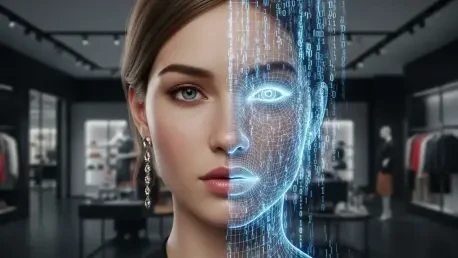

The seamless integration of high-fidelity synthetic personas into social media feeds has fundamentally altered the foundation of digital consumerism in the modern era. In a landscape where hyper-realistic avatars interact with millions of followers, the traditional boundaries of authenticity have shifted, leaving many users unaware that the personalities they trust are entirely mathematical constructs. Recent investigations into major retail and beauty brands have surfaced a disturbing trend of deploying invisible AI influencers who are governed by strict non-disclosure agreements designed to keep their artificial nature a secret. This systematic concealment of generative technology creates a profound ethical dilemma for the advertising industry, as the perceived relatability of a human figure is used to drive sales without the corresponding accountability. As these digital entities become indistinguishable from living creators, the necessity for a transparent disclosure framework becomes the central conflict in contemporary marketing strategies across the globe.
Strategic Shifts: The Evolution of Synthetic Brand Representation
Brands are increasingly migrating toward virtual entities to achieve a level of creative control that was previously impossible with human talent. In the volatile world of social media, human influencers carry risks ranging from public relations scandals to scheduling conflicts and fluctuating engagement rates. Conversely, a synthetic ambassador offers a curated, 24/7 presence that adheres strictly to brand guidelines without deviation. This shift represents more than just a technological curiosity; it is a calculated business move to eliminate the unpredictability inherent in human behavior. By utilizing advanced generative tools, marketers can fine-tune every aspect of a persona’s appearance, lifestyle, and speech patterns to resonate with specific demographics. This level of precision allows for the creation of idealized individuals who can exist in multiple geographic markets simultaneously, providing a global reach that no single human creator could ever match while maintaining a perfectly sterilized brand image.
Beyond the surface-level benefits of control, a secretive infrastructure has emerged where the use of non-disclosure agreements hides the involvement of generative AI from the public eye. Many agencies now specialize in ghost-managing these digital personas, ensuring that the human teams behind the prompts remain invisible to the consumer base. This strategic use of synthetic media allows for highly engineered scenarios that are easier to manage than traditional real-world shoots, yet it relies on a lack of transparency that challenges advertising standards. When a consumer believes they are receiving a recommendation from a relatable human figure, a psychological bond is formed that is fundamentally different from traditional advertising. By intentionally obscuring the artificial nature of these influencers, companies are effectively leveraging a parasocial relationship built on a falsehood. This practice raises significant questions about the long-term viability of influencer marketing if authenticity is replaced by algorithmic manufacturing.
Detection Challenges: Navigating the New Regulatory Landscape
Creating a convincing AI influencer requires a sophisticated blend of generative image models, audio synthesis, and machine learning-driven persona management. These tools allow brands to maintain a consistent aesthetic and voice across various platforms at a fraction of the cost of hiring human talent. In the current landscape, the technology has reached a point where skin textures, micro-expressions, and vocal inflections are virtually indistinguishable from biological reality. However, this advancement poses a significant hurdle for detection, as research shows that a vast majority of consumers cannot distinguish between real videos and those generated by AI. While specialized organizations are developing advanced detection tools to flag synthetic media, the rapid evolution of generative models often outpaces these defenses. This gap leaves consumers vulnerable to misleading promotional material, leading to urgent calls for mandatory labeling to ensure that the public can differentiate between authentic and fabricated media.
The industry eventually recognized that maintaining the status quo was no longer tenable as the lines between synthetic and human influence became permanently blurred. Stakeholders realized that the long-term health of the digital economy depended on establishing clear boundaries for transparency and ethical engagement. Moving forward, the implementation of standardized watermarking and metadata tracking emerged as the most viable path toward restoring consumer confidence. Brands that proactively disclosed their use of AI established a more honest relationship with their audiences, proving that innovation did not have to come at the expense of integrity. Regulatory bodies successfully pushed for a unified framework that prioritized the user’s right to know when they were interacting with a machine. Technical experts focused on developing more resilient content-provenance tools that allowed for instant verification of media origins across all major social networks. These collaborative efforts ensured that the creative possibilities of generative technology remained a powerful asset rather than a tool for systemic deception.