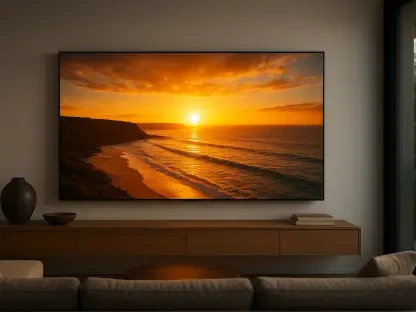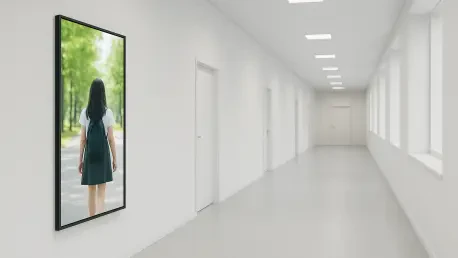

The ubiquity of the smartphone screen is no longer the final destination for digital marketing, as the vertical video format begins to colonize the very architecture of our urban environments. This shift represents a broader movement within the advertising industry to reclaim attention that has traditionally been sequestered within mobile applications. TikTok is currently spearheading this transition by scaling its “Out of Phone” initiative, effectively turning the world’s most popular social feed into a pervasive outdoor experience.
The Convergence of Social Media and Public Spaces
TikTok has evolved significantly from a mobile-first distraction into a versatile, cross-channel content engine that dictates cultural trends globally. By breaking out of the handheld device, the platform is now positioning its unique aesthetic as a viable alternative to traditional television and outdoor signage. This metamorphosis is not merely about screen size; it is about the fundamental transformation of social media into a utility that operates across the entire consumer journey, from discovery in the bedroom to conversion in the shopping mall.
The “Out of Phone” program serves as the essential bridge between digital scrolls and physical environments, allowing digital-native content to exist in high-traffic zones. This expansion is currently targeting five critical European markets: the United Kingdom, France, Belgium, Spain, and Italy. By choosing these specific territories, the platform is leveraging high-density urban populations and established digital out-of-home (DOOH) infrastructures to test the limits of cross-platform engagement.
To facilitate this massive physical scaling, TikTok has secured strategic collaborations with major market players including Alight Media, DooH it, Powerpill, Zoom Media, Next-Gen Media, and C-Screens. These partnerships provide the necessary hardware and network coverage to reach audiences in gyms, bars, shopping centers, and universities. The integration allows for a seamless flow of content, ensuring that a viral moment in the morning can become a billboard campaign by the afternoon.
Shifting Dynamics in the Global Advertising Ecosystem
Emerging Trends in Programmatic Out-of-Home Media
The rise of programmatic digital out-of-home (pDOOH) is the primary driver behind TikTok’s physical expansion, allowing for real-time bidding and automated content delivery. This technology enables advertisers to purchase physical screen space with the same flexibility and data-driven precision they expect from online platforms. As a result, the barrier to entry for small enterprises to appear on high-profile city screens has significantly decreased, fostering a more dynamic advertising landscape.
This shift moves the focus from passive entertainment toward active, targeted advertising in high-traffic zones where consumer intent is often highest. By utilizing data triggers like time of day, local weather, or trending social topics, brands can ensure that their physical ads are as relevant as the content on a user’s “For You” page. This level of synchronization creates a unified brand experience that feels intuitive rather than intrusive to the passing consumer.
A significant shift in consumer behavior is also supporting this trend, as raw and authentic content consistently outperforms traditional, highly polished commercials in public settings. Modern audiences are increasingly skeptical of glossy corporate messaging, preferring the relatability of creator-led videos. When these vertical, handheld videos appear on large-scale public screens, they maintain a sense of intimacy and urgency that traditional media often lacks.
Market Projections and the Future of Omnichannel Reach
Analyzing the growth of digital ad spend reveals a significant pivot toward assets that exist outside of traditional mobile ecosystems. From 2026 to 2028, the allocation of budgets toward pDOOH is expected to grow as brands seek to diversify their reach in a post-cookie digital environment. This diversification is seen as a safeguard against the rising costs of in-app impressions and the increasing difficulty of maintaining long-term user attention.
Key performance indicators for these campaigns focus on asset longevity and the cost-efficiency of repurposing vertical video across different channels. Instead of creating bespoke assets for every different screen format, brands can now maximize their return on investment by deploying the same high-performing social clips across a global network of physical screens. This efficiency allows for more frequent campaign updates and a more responsive marketing strategy.
Europe currently serves as a strategic testing ground for this global scaling, with results here informing future rollouts across the United States and the Asia-Pacific region. The diverse regulatory environment and varying consumer habits within the five target markets provide a wealth of data that will be used to refine the program. This phased approach ensures that the technological and logistical frameworks are robust before moving into larger, more complex advertising markets.
Navigating the Hurdles of Real-World Digital Integration
The technological challenges of maintaining content quality across diverse screen formats represent a significant hurdle for real-world digital integration. While TikTok content is natively vertical, public screens come in a wide variety of shapes and resolutions. Ensuring that a video looks as compelling on a massive university digital wall as it does on a smartphone requires sophisticated automated resizing and quality control protocols that prevent pixelation and layout issues.
Moreover, the industry must address the measurement gap, which identifies the precision difference between in-app clicks and physical dwell time. In the app, every interaction is tracked with absolute accuracy, but measuring the impact of a billboard in a gym relies on probabilistic data and sensors. Bridging this gap is essential for proving the value of outdoor spend to data-obsessed performance marketers who are used to immediate feedback loops.
Strategic solutions like Spark Ads provide a potential path forward by offering granular targeting in non-digital environments. By allowing brands to boost organic content that is already performing well, the platform ensures that only the most engaging media is shown to the public. This curated approach minimizes the risk of content fatigue and maximizes the likelihood of capturing the attention of passersby in high-stress urban environments.
The Regulatory and Ethical Landscape of Extended Media
Intellectual property and user-generated content (UGC) remain central to the ethical debates surrounding the licensing of viral videos for public billboards. When a private user’s creative work is moved from a personal profile to a commercial physical space, the question of fair compensation and explicit consent becomes paramount. Platforms must establish clear frameworks to ensure that creators are not only aware of how their content is being used but are also appropriately rewarded.
Compliance with European advertising standards and data privacy regulations, such as GDPR, is another layer of complexity in physical spaces. Unlike mobile apps, which can use personalized tracking, public screens must rely on anonymous data to measure audience demographics. Ensuring that these sensors and measurement tools do not infringe on individual privacy rights is a critical requirement for any brand looking to expand its footprint in the European Union.
Transparency and reporting must also be addressed to establish unified metrics across multiple distribution partners. Since different hardware providers use different methods for calculating reach, there is a pressing need for a standardized reporting language. Without this, brands will find it difficult to compare the performance of their campaigns across different regions or to justify the total expenditure on cross-channel media.
The Future of Interactive Public Branding
Innovations in real-time content are set to redefine the industry by syncing public screens with trending hashtags and live social data as it happens. Imagine a scenario where a local sports victory or a global cultural event triggers an immediate, relevant content update on every screen in a specific city. This level of responsiveness turns advertising into a living part of the urban environment, rather than a static fixture that people eventually ignore.
The role of artificial intelligence and data-driven precision will also grow in localizing content for specific micro-environments like gyms, malls, and universities. AI can analyze local foot traffic patterns and demographic data to determine which specific TikTok clips will resonate best at any given moment. This localized approach ensures that a university screen shows content relevant to students, while a supermarket screen focuses on family-oriented lifestyle tips.
Potential disruptors like decentralized content creation might eventually replace traditional, agency-led campaigns. As tools for producing high-quality video become more accessible, local businesses may start creating and deploying their own ads directly through social platforms, bypassing large media agencies entirely. This democratization of the public square could lead to a more diverse urban visual landscape, though it also poses challenges for maintaining brand safety and aesthetic standards.
Strategic Outlook for Brands in the Physical Social Era
The transformation of TikTok into a borderless content distributor was finalized as the program successfully moved through the European continent. This expansion demonstrated that the era of isolated mobile advertising ended, replaced by an integrated model that utilized physical geography as a canvas for digital storytelling. Brands that participated in the initial rollout observed a significant uplift in overall awareness, proving that the synergy between handheld and public screens was more than just a passing trend.
Stakeholders were encouraged to adopt OOH-ready creative strategies to maximize their return on investment in this new landscape. This involved designing mobile content with the awareness that it might eventually appear on a much larger scale, requiring higher production standards without sacrificing the core authenticity of the medium. The analysis suggested that those who successfully integrated these two worlds enjoyed a distinct competitive advantage by capturing attention in spaces where consumers were previously unreachable.
Ultimately, the long-term impact of moving the scroll to the city walls changed the nature of public interaction with media. The program established a new standard for how social platforms could influence physical spaces, turning urban centers into extensions of the digital social feed. This evolution invited a future where the distinction between a private digital experience and public media presence became entirely indistinguishable, forcing a total reconsideration of how narratives were constructed and consumed in a connected society.