
Anastasia Braitsik brings a wealth of experience in bridging the gap between digital data and tangible marketing outcomes. As a global leader in SEO and content strategy, she understands that the modern consumer journey isn’t a straight line but a loop between social feeds and physical experiences. Today, we discuss how Skyscanner transformed a viral TikTok audio into a strategic airport placement, proving that the most effective outdoor advertising often begins on a smartphone screen. Our conversation explores the evolution of Out-of-Home advertising from a static medium to a dynamic extension of digital culture. We delve into the importance of strategic location, the shift from interruption to integration, and the organizational agility required to catch a trend before it fades. We also look at how the reliance of younger generations on social media for travel inspiration is reshaping how brands approach real-world activations.
How do you determine when a social media trend has enough cultural momentum to justify transitioning it from a digital screen into a physical Out-of-Home campaign?
It involves looking for a specific tipping point where a trend moves from a fleeting internet moment to a genuine cultural touchstone. We don’t just chase every viral clip; we wait for evidence that the content has taken on a life of its own, much like the “First time in San Juan, mi hijo?” audio did for Puerto Rico. When you see a trend consistently soundtracking vacation recaps and getaways across platforms like TikTok, it signals a deeper resonance with the audience’s travel aspirations. This transition into the physical world works best when the brand can offer something additive—like reminding travelers they could have saved 30% on average—rather than just repeating a joke. It is about extending a moment into the physical world in a way that feels real and surprising rather than forced.
Why was the baggage claim area specifically chosen as the canvas for this campaign, and what does it reveal about the psychology of the modern traveler?
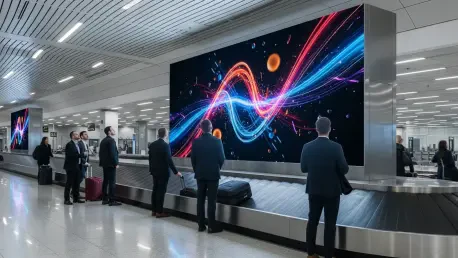
In the frantic, high-speed environment of an airport, baggage claim serves as one of the few true “pause points” where the traveler is forced to slow down and be fully present. By placing the billboard here, we capture the audience at the exact moment their trip shifts from a digital itinerary into a tangible, physical reality. There is a specific sensory experience at play: the sound of the conveyor belt, the anticipation of seeing your luggage, and the rush of finally arriving in a new destination. By greeting them with a familiar, tongue-in-cheek message in this high-emotion setting, the advertisement stops feeling like traditional marketing and becomes part of the travel experience itself.
How can organizations build the necessary internal agility to capitalize on fast-moving digital trends without compromising their core brand identity?
Speed in marketing is often misunderstood; it is not about rushing through haphazard approvals, but rather about having deep organizational alignment before an opportunity even emerges. When a team is already clear on their long-term goals and their specific brand voice, they can move with incredible agility as a unified team when a trend takes off. For Skyscanner, maintaining a playful, tongue-in-cheek personality is vital so that the activation feels like a natural extension of an existing conversation. Without this groundwork, brands risk chasing internet moments that do not fit, which feels hollow and can actually alienate the very consumers they are trying to reach.
With social media becoming the primary source of travel inspiration, how should brands adapt their traditional advertising spend to match these new consumption habits?
We are seeing a massive shift in how inspiration is consumed, with 59% of Gen Zers now looking to Instagram for their next trip, followed closely by YouTube at 54% and TikTok at 47%. These figures prove that traditional channels like film and television, which only influence about 29% of this demographic, are rapidly losing their grip on the travel narrative. To stay relevant, brands must move their Out-of-Home strategy away from being a standalone effort and instead view it as a way to “close the loop” on digital discoveries. The goal is to meet the traveler in the physical world with a message that mirrors the high-energy, authentic content they have been consuming on their feeds for months.
What is your forecast for the future of Out-of-Home advertising in an increasingly digital-first world?
I believe we will see the total erasure of the line between online and offline marketing, where the physical world acts as a secondary screen for our digital lives. In the coming years, the most successful campaigns will act as physical bookmarks for digital experiences, triggered by real-time social sentiment and cultural shifts. We will see more brands using transition points—like baggage claims or transit hubs—not just for visibility, but as interactive touchpoints that acknowledge the user’s digital history. The future of the industry lies in being “surprising and additive,” ensuring that every physical ad provides a moment of genuine connection or utility in an otherwise noisy world.