
The evolution of the urban landscape has quietly shifted from static architectural landmarks to a pulsing network of interactive screens that dictate the rhythm of modern consumer engagement. While digital fatigue plagues the personal device market, the physical world offers a unique canvas where messages cannot be swiped away or ignored by a simple software update. Leading this charge in the Australian market, oOh!media has effectively bridged the gap between traditional billboard advertising and high-tech programmatic delivery. The company’s trajectory highlights a sophisticated understanding of how physical movement and digital precision can coexist to create high-value impressions. By securing prime real estate in transit hubs, shopping centers, and major arterials, the organization has ensured that its inventory remains central to the daily commute. This strategic positioning serves as the foundation for a broader digital transformation that is fundamentally altering the economics of the out-of-home industry.
Strategic Asset Management and Digital Evolution
Part 1: Diversified Environments and Revenue Optimization
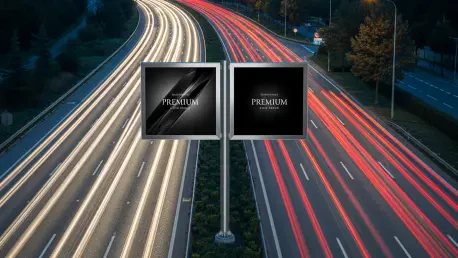
The success of oOh!media is predicated on its extensive footprint across a variety of high-traffic environments that capture consumers at different stages of their daily journey. From the moment a traveler enters an airport to the time a shopper wanders through a local retail precinct, the company’s assets are strategically placed to ensure maximum visibility and impact. These environments are not chosen at random; they represent critical nodes of high intent where people are either traveling with purpose or actively seeking products. Roadside billboards offer a broad reach for brand awareness, while retail-based displays allow for a more targeted approach near the point of purchase. This multi-layered strategy ensures that a single campaign can achieve both wide-scale exposure and specific consumer conversions. By maintaining a presence in diverse locations, the business mitigates the risk of relying on a single audience segment, thereby creating a more robust and reliable revenue stream.
Part 2: Diversified Environments and Revenue Optimization
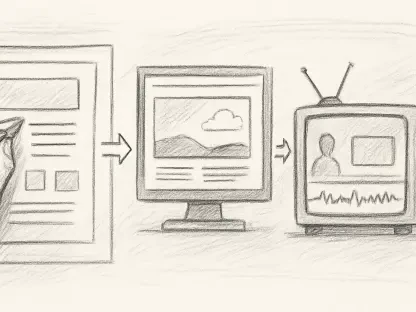
Transitioning from traditional static boards to high-definition digital screens represents the most significant shift in the company’s operational history. This evolution allows for a much higher density of advertising content on a single physical asset, as multiple brands can now share the same space through rotating slots. Unlike the old model of physical posters, which required manual labor to install and remained fixed for weeks, digital formats provide instantaneous updates and creative flexibility. This capability has opened up new revenue channels, such as short-term tactical campaigns that might only run for a few hours to coincide with a specific event or promotion. The ability to switch creative assets remotely reduces the long-term operational costs associated with maintenance and logistics while simultaneously increasing the premium price point of the inventory. As the inventory becomes increasingly digitized from 2026 into 2028, the company is positioning itself to capture a larger share of the total media spend.
Technological Integration and Market Resilience
Part 1: Data-Driven Targeting and Unblockable Visibility
Integrating programmatic technology into the out-of-home sector has revolutionized how media buyers approach the physical world, bringing a level of precision previously limited to web-based platforms. Advertisers can now utilize real-time data feeds to trigger specific content based on external factors like weather patterns, local traffic conditions, or current events. For instance, a beverage brand might increase its screen frequency when local temperatures exceed a certain threshold, ensuring that its message is most relevant when consumer demand is naturally at its peak. This data-driven approach removes much of the guesswork from traditional outdoor advertising, providing a measurable return on investment that appeals to modern, tech-savvy marketing departments. By adopting these sophisticated buying methods, the company has successfully integrated itself into the broader digital ecosystem. This shift allows for more seamless cross-platform campaigns where physical displays work in tandem with mobile ads.
Part 2: Data-Driven Targeting and Unblockable Visibility
One of the most compelling advantages of out-of-home advertising in the current landscape is its inherent resistance to the ad-blocking technologies that hinder digital marketing. While internet users often find ways to mute, skip, or completely block online banners and video ads, the physical presence of a massive roadside display or a glowing airport screen is impossible to ignore. This “unblockable” nature makes the company’s inventory a critical component for brands looking to maintain consistent visibility in an increasingly fragmented media environment. Furthermore, the sheer scale of these displays provides a sense of prestige and legitimacy that small mobile ads often fail to replicate. As privacy regulations continue to tighten around online tracking and third-party cookies, the relative value of contextual outdoor advertising has grown significantly. The ability to reach a massive audience in a public setting without infringing on individual privacy is a unique selling point that continues to drive interest.
Economic Drivers and Financial Mechanics
Part 1: Population Movement and Operational Leverage
The financial performance of the out-of-home sector is intrinsically linked to the physical movement of people, making the stabilization of population flow a primary driver of growth. As airport passenger volumes and urban foot traffic have returned to pre-disruption levels, the premium spaces within these hubs have seen a significant increase in their valuation. Major international airports and central business districts serve as high-value environments where advertisers are willing to pay a premium to reach affluent travelers and professionals. The company has leveraged this return to mobility by renewing focus on its transit and office portfolios, ensuring that its screens are located where the most influential audiences congregate. This resurgence in movement has directly translated into higher impression counts and improved fill rates for digital displays. By closely monitoring mobility trends and adjusting its inventory focus, the organization has managed to maintain a competitive edge.
Part 2: Population Movement and Operational Leverage
From a corporate perspective, the business model benefits immensely from the concept of operational leverage, which is a byproduct of its fixed-cost structure. A significant portion of the company’s expenditure is tied to long-term lease agreements for the sites where its billboards and screens are located. Once these baseline costs are covered by initial advertising sales, each additional dollar of revenue generated has a high conversion rate into profit. This means that during periods of high demand, the company can see exponential growth in its earnings relative to its costs. However, this financial structure also requires a high level of occupancy and competitive pricing to remain sustainable over the long term. Management must constantly balance the cost of securing prime locations against the projected advertising demand to ensure that the margins remain favorable. The focus on high-margin digital assets has been a key strategy in optimizing this leverage for long-term stability.
Navigating Competitive Risks and Operational Demands
Part 1: Market Cyclicality and Capital Requirements
Despite its dominant position, the company must navigate the inherent cyclicality of the advertising market, which often serves as a barometer for the broader economy. During times of economic uncertainty or declining consumer confidence, marketing budgets are frequently among the first items to be reduced by large corporations. This sensitivity means that revenue can be volatile, requiring the organization to maintain a strong balance sheet to weather potential downturns. Furthermore, the competitive landscape is not limited to other outdoor media providers; the company is in direct competition with global tech giants for a slice of the total advertising pie. To remain relevant, the business has had to prove that physical ads can offer comparable, if not superior, value to digital-only alternatives. This requires a constant investment in measurement tools and attribution modeling to demonstrate exactly how an outdoor campaign influences consumer behavior and sales.
Part 2: Market Cyclicality and Capital Requirements
Maintaining a leadership position in the outdoor ad space requires a relentless commitment to capital investment and infrastructure modernization. The process of upgrading thousands of static signs to high-tech digital displays is not only expensive but also requires significant ongoing maintenance and energy costs. Additionally, the company must navigate the complex and often expensive process of renewing leases for its most lucrative locations, where competition from other outdoor media firms can drive up costs. Successfully defending these prime positions while simultaneously expanding the network into new growth areas is a delicate balancing act that defines the long-term sustainability of the business. Beyond the physical assets, there is also a need for continuous investment in software and data analytics to keep the programmatic side of the business ahead of market trends. Staying at the forefront of technological evolution is a continuous operational requirement.
Strategic Directives: Lessons from the Digital Integration
The strategic shift toward a fully integrated digital ecosystem provided a clear blueprint for how traditional media entities thrived in a tech-centric world. By prioritizing data-backed insights and securing unblockable physical real estate, the organization demonstrated that the most effective way to reach a modern audience was through a blend of physical presence and digital intelligence. Advertisers were encouraged to adopt a more holistic view of their campaigns, recognizing that the synergy between roadside visibility and programmatic triggers maximized brand impact. Moving forward, it became evident that the successful management of high-traffic assets required a proactive approach to technology adoption and lease negotiations. Brands that integrated outdoor displays into their multi-channel strategies saw a marked improvement in consumer recall and conversion rates. The path to sustained growth relied on the continuous refinement of audience measurement and the expansion of digital footprints.