
Redefining the Skyline: The Evolution of Out-of-Home Advertising in Dubai
The massive digital screens illuminating the Dubai Water Canal today represent more than just advertising; they symbolize a sophisticated fusion of urban planning and high-tech commerce that is currently reshaping the city’s skyline. Dubai’s high-impact Out-of-Home (OOH) landscape has reached a point of maturity where it now functions as a primary driver of the local economy. Mada Media has emerged as the central catalyst in this transformation, moving the sector away from disorganized legacy structures toward a streamlined, modern framework. By prioritizing strategic asset placement, the city has successfully integrated marketing into the very fabric of its urban environment, ensuring that visibility does not come at the expense of aesthetics.
This evolution is deeply rooted in the Dubai 2040 Urban Master Plan, which dictates the functional standards of public spaces. The plan necessitates that every advertisement contributes to the city’s identity while maintaining the highest levels of safety and environmental harmony. Key market players have shifted their focus toward digital-first environments, recognizing that the modern commuter demands more than a static image. As a result, the OOH sector has become a laboratory for innovation, where the latest visual technologies meet rigorous urban design guidelines to create a cohesive public experience that benefits both citizens and international brands.
The Intersection of Strategy and Innovation in the UAE Media Market
Emerging Trends and the Rise of Programmatic Digital Solutions
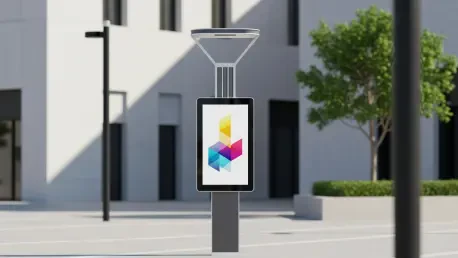
The transition from static billboards to dynamic, data-driven digital Unipoles has fundamentally altered how brands communicate with their audiences. Evolving consumer mobility patterns indicate that high-traffic corridors are no longer just roads but essential touchpoints for brand engagement. This shift is most visible along Al Khail and Sheikh Rashid Roads, where bridge billboards and lamppost panels provide constant, high-definition messaging. The integration of programmatic advertising allows for real-time targeting, enabling brands to adjust their creative content based on weather, time of day, or traffic density, significantly increasing the return on investment.
Market Projections and the Economic Impact of Strategic Asset Allocation
Recent competitive bidding rounds organized by Mada Media have sparked a significant influx of global investment, bolstered by a transparent process that rewards innovation. The current distribution of 195 high-impact assets across the Emirate’s arterial roads serves as a performance indicator for the entire sector’s health. Financial projections suggest that the advertising industry’s contribution to the regional GDP will continue to climb as these strategic assets reach full operational capacity. This economic trajectory is supported by the move toward centralized asset management, which reduces market fragmentation and provides a stable environment for long-term capital commitments.
Navigating the Complexities of Modern Urban Advertising
Balancing commercial density with road safety remains one of the most complex challenges in modern urban advertising. Mada Media addresses this by implementing strict protocols that prevent driver distraction while maximizing the impact of digital displays. Maintaining visual harmony in community-focused areas like Al Khawaneej and Tripoli Street requires a customized approach that respects the residential nature of these districts. Transitioning legacy static assets into smart digital infrastructure involves overcoming significant technological barriers, yet this modernization is essential for maintaining Dubai’s status as a global media hub.
Moreover, the process of mitigating market fragmentation through a centralized management framework has allowed for a more equitable distribution of advertising power. By organizing the landscape into distinct, manageable zones, the regulatory bodies have ensured that no single area becomes overwhelmed by visual noise. This strategic oversight allows for a more pleasant urban experience while simultaneously increasing the value of each individual advertising slot. The result is a cleaner, more professional environment that appeals to high-end global advertisers looking for premium placements.
The Regulatory Framework: Ensuring Compliance and Investor Confidence
Establishing world-class standards for the OOH industry is a core part of Mada Media’s mandate. This regulatory oversight ensures that every installation meets rigorous safety and environmental regulations, particularly concerning large-scale digital screens that consume significant energy. The impact of these transparent processes is evident in the successful partnerships formed with top-tier regional leaders such as the Choueiri Group. Such centralized governance protects the interests of both the public sector and private investors by creating a predictable and compliant marketplace that discourages substandard installations.
By enforcing these strict standards, the city has fostered an environment where quality is prioritized over quantity. This has led to the development of advertising assets that are not only effective but also durable and sustainable. Compliance with environmental protocols has encouraged the use of energy-efficient lighting and recyclable materials in the construction of new billboards. Consequently, the regulatory framework has become a foundation for investor confidence, as brands know their investments are protected by a stable and forward-thinking governing body.
The Future Roadmap: Setting the Global Benchmark for Smart City Advertising
Looking ahead to the next wave of investment opportunities, the focus is shifting toward AI-integrated advertising and interactive displays in major commercial hubs. The integration of artificial intelligence will likely allow for even more granular data analysis, helping brands predict consumer behavior before it happens. Sustainable urban development will also dictate the design of the next generation of eco-friendly advertising assets, incorporating renewable energy sources and low-impact materials. Dubai is currently on a trajectory to become the most technologically advanced OOH market in the Middle East, setting a global benchmark for smart city advertising.
This progression toward a smarter ecosystem involves the constant upgrading of existing infrastructure to include sensory technology and interactive capabilities. As the city continues to expand, the synergy between mobile connectivity and physical advertising will become even more pronounced. The upcoming rollout of additional assets will focus on under-served areas, ensuring that the entire Emirate benefits from the modernized media landscape. This holistic approach ensures that the growth of the advertising sector remains in lockstep with the broader technological and social advancements of the city.
Conclusion: A New Era of Connectivity and Commercial Excellence
The transformative partnership between Mada Media and Arabian Outdoor solidified a new era of connectivity and commercial excellence within the region. This strategic alliance demonstrated how modernized asset management could strengthen the city’s position as a premier global media hub. Brands that sought to capitalize on this ecosystem realized the necessity of investing in digital-first strategies that aligned with the city’s aesthetic standards. For future success, investors were encouraged to focus on programmatic solutions and high-traffic arterial locations to ensure maximum engagement. This synergy between economic ambition and world-class urban design ultimately paved the way for a more resilient and innovative advertising landscape. Moving forward, the industry was expected to embrace even deeper technological integration to maintain its competitive edge.