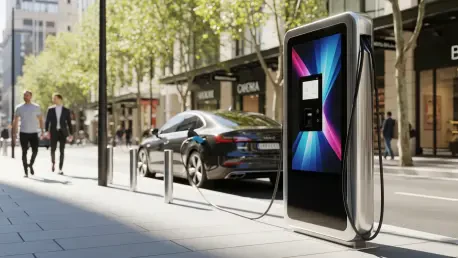

The rapid proliferation of electric vehicles across Australia has created an urgent demand for charging infrastructure that is both accessible and financially sustainable for the average driver. Jolt has answered this call by merging the growth of green energy with the high-impact world of digital out-of-home advertising. By leveraging high-density metropolitan real estate, the company provides a dual-benefit platform that addresses the critical need for urban charging stations while offering brands a sophisticated medium for audience engagement. This model transforms the traditional utility of charging into a premium marketing asset, positioning Jolt as a key player in the transition toward digitized urban environments.
The Synergy of Sustainable Infrastructure and Digital Out-of-Home Advertising
The company operates on a unique premise where charging units serve as digital billboards, effectively subsidizing the cost of electricity for the consumer. This infrastructure is strategically placed in high-traffic areas, ensuring that the hardware is never just a utility but a focal point for modern urban interaction.
Furthermore, this integration allows for a seamless blend of public service and commercial viability. As cities move toward carbon-neutral mandates, the presence of these multifaceted kiosks helps municipalities meet environmental goals without the heavy burden of taxpayer funding. This synergy creates a resilient business model that thrives on the increasing density of metropolitan centers.
Analyzing Growth Drivers and the Surge in Audience Engagement
Digital Media Integration and the Shift in Consumer Charging Habits
A primary driver behind this scaling success is the integration of proprietary AI technology, specifically the Spark Intelligence platform, which allows for real-time campaign optimization. As consumer behavior shifts toward eco-conscious brands, the demand for accessible, free charging creates a recurring and high-value touchpoint for advertisers.
This trend is further accelerated by the deployment of charging hubs in retail precincts, ensuring that brand messages reach a captive audience during their daily routines. Unlike traditional media, this format captures attention when the consumer is physically stationary and engaged with the charging process.
Mapping the Expansion: Infrastructure Growth and Performance Metrics
Recent data highlights a significant 30 percent surge in total monthly network impressions, climbing from 136.4 million to 177.3 million. In Brisbane alone, a strategic expansion into areas like Windsor and Chermside North resulted in a 48 percent increase in screen count and a 47 percent boost in local ad impressions.
These performance indicators reflect a robust growth trajectory, with projections suggesting continued dominance as the network penetrates more Sydney metropolitan hubs such as Parramatta and Blacktown. The ability to demonstrate clear, data-driven ROI has made the network an attractive alternative to fragmented legacy advertising formats.
Navigating the Complexities of Large-Scale Urban EV Infrastructure
Scaling a national charging network involves significant hurdles, ranging from the high cost of site acquisition in unbeatable real estate locations to the technical demands of grid integration. Urban density often complicates the physical deployment of hardware, requiring innovative engineering solutions to fit charging kiosks into existing streetscapes without disrupting pedestrian flow.
Moreover, the company must manage the logistical strain of maintaining a geographically dispersed network of sophisticated electronics. Ensuring consistent uptime and high-speed data connectivity for the digital screens is as vital as the delivery of electricity itself. Success in this area depends on a robust supply chain and proactive maintenance schedules.
Adapting to Australia’s Shifting Regulatory and Urban Planning Standards
The regulatory landscape for EV charging is evolving, with local and federal governments increasingly prioritizing carbon-neutral infrastructure. Expansion efforts are heavily influenced by municipal zoning laws and the green energy mandates that govern the installation of digital signage and electrical hardware.
Compliance with data privacy standards is also paramount, especially as the network utilizes advanced AI to analyze audience demographics. Maintaining a transparent approach to consumer data has become a core requirement for operating in the public sphere. These shifting standards require constant legal vigilance and architectural flexibility.
Pioneering a Global Blueprint for Integrated Green Energy Networks
Looking ahead, the model is being exported to international markets, already establishing footprints in New Zealand, Canada, and the United Kingdom. The recent acquisition of the Volta Media Network in the United States signaled an aggressive push into North America, where the demand for ad-funded infrastructure is peaking.
Future growth will likely be characterized by deeper integration with smart city technologies and the expansion of the free daily charging model to a broader range of global audiences. This international movement suggests that the Australian approach to ad-funded utilities could become a global standard for urban development.
The Path Forward for High-Value Sustainable Media Investments
The success of this network demonstrated that the intersection of green technology and digital media moved beyond a niche market to become a fundamental shift in urban planning. Stakeholders began to prioritize platforms that offered both environmental benefits and measurable commercial outcomes. As the physical footprint expanded, the reliance on data-rich, resilient advertising formats became a cornerstone of the sustainable economy. Moving forward, the industry will likely see an increase in cross-sector partnerships between energy providers and media agencies to further refine the user experience and maximize the reach of these essential public services.