
In a world saturated with digital noise, brands are looking for new ways to make a real-world impact. We sat down with Anastasia Braitsik, a leading expert in digital marketing with a deep specialization in Out of Home advertising, to discuss this shift. Our conversation explored the strategic thinking behind modern transit campaigns, the dynamic power of data-driven Digital OOH, and the unique ability of bus advertising to weave a brand’s message into the very fabric of a city. Anastasia revealed how an integrated approach, blending static and mobile formats, is helping brands combat digital exhaustion and create memorable, measurable connections with urban audiences.
The article notes that Tube and Train Advertising capitalize on “repetitive exposure.” Beyond just high traffic, could you walk us through the strategic process of planning a campaign, from selecting specific station takeovers to designing creatives that capture a commuter’s attention during their journey?
Absolutely. It’s about much more than just putting a poster where millions of people will pass it. The process is deeply strategic and begins with understanding the commuter’s journey. We analyze audience movement patterns to pinpoint where people are most receptive. Think about it—when you’re waiting on a platform or sitting inside a train coach, you have these pockets of stationary time. That’s our opportunity. We strategically select placements, whether it’s a full, immersive station takeover or a series of digital displays along a key route, to create a consistent narrative. The creative itself has to be powerful enough to cut through the daily routine and make an impression. The magic isn’t just one view; it’s the repetition in these high-quality transit spaces that cements brand memorability.
You highlight that Digital OOH offers real-time flexibility. Can you share a specific example of a brand that successfully adapted its messaging based on time of day or audience behavior, and explain how that data-driven approach improved the campaign’s overall engagement and efficiency?
This is where OOH gets incredibly smart. Imagine a major beverage brand running a campaign in a city’s central transit hub. Instead of one static message, they use our digital screens to tell a story throughout the day. From 7 to 9 a.m., during the peak morning rush, the screens display an energetic ad for their coffee products. As the lunch hour approaches, the creative smoothly transitions to feature their refreshing iced teas and soft drinks. Then, in the evening, it shifts again to promote a relaxing, caffeine-free option for the commute home. This data-driven approach means the messaging is always relevant to the consumer’s mindset in that specific moment. It’s incredibly efficient because you’re not wasting impressions, and the engagement soars because the ad feels personally timed and helpful, not intrusive.
The content describes buses as “moving brand assets” that reach areas static media cannot. What is your team’s step-by-step process for planning a Bus Advertising campaign to ensure a client’s message not only gains high frequency but also reaches very specific neighborhoods or demographics?
We treat every bus campaign like a mobile storytelling mission. First, we sit down with the client to define their exact target audience and the specific urban or semi-urban markets they need to penetrate. Next, our planning team meticulously analyzes city bus routes, overlaying them with demographic data to identify the paths that travel directly through the desired residential zones, business districts, and shopping areas. Once we’ve pinpointed the optimal routes, we select the right format—a full bus wrap makes a huge, unmissable statement, while side panels and rear displays offer consistent, high-frequency visibility. This process ensures the brand’s message is not just seen repeatedly, but that it’s seen by the right people, weaving it directly into the daily life of neighborhoods that a fixed billboard could never touch.
Your company emphasizes an integrated strategy combining fixed formats like Tube ads with Mobile OOH. Could you provide an anecdote where this blended approach created a greater impact than a single-channel campaign, and detail the metrics you used to measure that enhanced visibility?
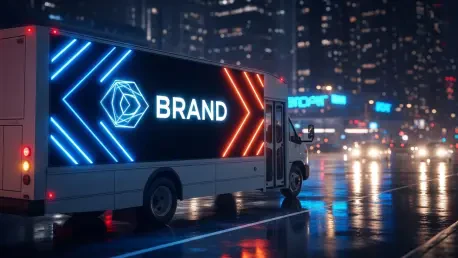
We worked on a major product launch for a lifestyle tech brand that perfectly illustrates this. For two weeks leading up to the launch, we built a massive wave of awareness using a Tube and Train advertising blitz across the city’s busiest lines. Commuters saw the brand’s message every single day, building anticipation. Then, on launch weekend, we deployed a fleet of Mobile OOH LED trucks. These trucks didn’t just drive randomly; they were targeted to circle major retail centers and tech hubs where we knew the target audience would be. The synergy was incredible. The fixed Tube ads created the broad recall, and the mobile trucks delivered the final, high-impact prompt to take action. We measured the enhanced visibility by tracking foot traffic spikes at partner retailers, which correlated directly with the trucks’ locations, and saw a significant lift in social media mentions and brand-name searches originating from those specific zones.
With brands shifting budgets due to “digital exhaustion,” how do you advise them on integrating OOH to complement their online efforts? Could you give us an example of how a physical ad placement directly led to a measurable lift in a brand’s online activity or sales?
It’s a conversation we’re having more and more. Brands are realizing that trust is built in the physical world. My advice is to use OOH not as a replacement for digital, but as a powerful, credibility-building launchpad for it. A bold, well-placed ad on the Tube or a bus wrap feels more permanent and trustworthy than a pop-up you can instantly close. For example, a new e-commerce fashion brand used large-format digital screens in a major metro station. The creative was visually stunning but simple, featuring a single hero product and a memorable, vanity URL. By tracking traffic to that specific URL and monitoring branded search queries in that city, we saw a clear, direct lift in online activity that coincided perfectly with the campaign’s start. The physical ad provided the unavoidable, repeated impression that drove consideration and prompted the immediate online action.
What is your forecast for the future of Out of Home advertising, particularly concerning the integration of data and digital technology into physical spaces?
The future is incredibly exciting and is all about seamless integration and intelligence. OOH will cease to be seen as a siloed channel and will become a fundamental, data-infused layer of a brand’s entire marketing ecosystem. I forecast that the ability to customize and adapt campaigns will become even more sophisticated. We’re moving beyond just scheduling ads by time of day; soon, digital screens in public spaces will be able to react to real-world data points like weather, local events, or even traffic patterns to serve the most relevant message possible. This evolution is democratizing the medium. It’s no longer a privilege reserved for massive enterprises but a measurable, adjustable, and highly effective channel for businesses of all sizes to engage with people in their real-world journeys.