
Out-of-home advertising professionals in Lagos and other major hubs are now acting as creative architects who integrate brand messaging directly into the physical infrastructure of the environment. This shift represents a fundamental departure from the traditional mindset of merely renting space for a billboard. Instead, it involves a deep collaboration between urban planners, structural engineers, and creative agencies to ensure that commercial messages serve as aesthetic enhancements rather than visual clutter. As cities like Lagos, Abuja, and Port Harcourt expand, the pressure to maintain a coherent urban identity has led to the emergence of these specialized professionals. These individuals prioritize the visual harmony of the skyline, ensuring that every installation contributes to the city’s narrative. This evolution is driven by the necessity to navigate a market where traditional media often fades into the background, pushing brands to seek deeper engagement through innovation.
The Resilience and Power of Physical Presence
While digital platforms continue to dominate much of the global advertising conversation, the tangible presence of outdoor media in Nigeria offers a level of permanence that code and pixels cannot replicate. In a landscape where mobile users are increasingly adept at utilizing ad-blockers or simply scrolling past sponsored content, a massive physical installation on the Third Mainland Bridge commands an unavoidable presence. This unstoppable nature of physical media ensures that brands remain embedded in the daily routines of millions of commuters. Whether people are stuck in traffic or walking through bustling markets, these structures provide a consistent touchpoint that reinforces brand recognition through sheer physical scale. The reliability of out-of-home media is particularly vital during economic shifts, as it maintains a visible standard of stability and market presence that digital campaigns, which are often ephemeral and easily toggled off, cannot match in the long term.
However, simply occupying space is no longer sufficient to guarantee impact in an environment where visual stimulation is constant and overwhelming. Modern professionals realize that to capture the public’s gaze, they must leverage high-impact visual landmarks that break the monotony of the urban sprawl. This realization has sparked a competitive race toward inventive structural design, where the focus moves away from standardized dimensions toward bespoke, iconic features. By treating the physical site as a unique canvas, advertisers are creating landmarks that residents use as navigational points or conversation starters. This approach transforms a functional marketing tool into a piece of the city’s social fabric. Consequently, the demand for creative excellence is at an all-time high, as businesses understand that an unremarkable sign is a wasted opportunity in a market that rewards boldness. The transition toward landmark-style installations is a response to a more sophisticated and discerning audience.
Harmonizing Advertising with the Built Environment
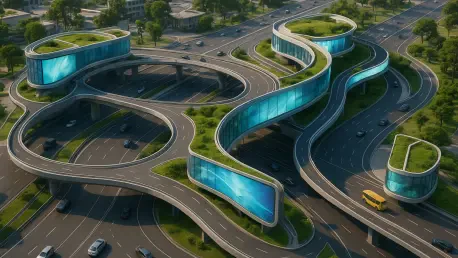
A defining characteristic of this creative revolution is the move toward large-scale environmental integration, where the city itself becomes a sophisticated canvas for brand storytelling. Rather than imposing a brand onto a space as a separate entity, contemporary designers are crafting campaigns that harmonize with the surrounding architecture and existing infrastructure. This method ensures that advertisements do not appear as intrusive interruptions to the urban view but as organic extensions of the skyline. For instance, modern installations on pedestrian bridges and highway overpasses are designed with materials and lighting that complement the steel and concrete of the city. Such synergy enhances the visual appeal of a neighborhood while maximizing brand exposure from multiple vantage points. By considering the viewing angles of both drivers and pedestrians, these professionals create a 360-degree brand experience that feels thoughtfully placed, respecting the local aesthetic while delivering a powerful commercial message.
The impact of this seamless integration extends far beyond the physical location of the advertisement, as these structures often become cultural touchpoints that gain a second life online. When a campaign is successfully woven into the urban fabric, it frequently inspires residents and tourists to capture the scene and share it across social media platforms. This organic amplification turns a localized physical installation into a global digital phenomenon, reaching audiences far beyond the city limits of Lagos or Abuja. These illuminated spectacles and artistic structures contribute significantly to a city’s unique cultural identity, making the advertising industry a key player in urban branding. As these installations become photographed landmarks, they serve a dual purpose: fulfilling commercial objectives and providing the city with visually striking icons. This crossover between commerce and art ensures that the brand is associated with progress and modernization, further embedding the messaging into the public consciousness.
The Multi-Disciplinary Expertise of Modern Designers
The vanguard of this urban transformation consists of specialized firms that have transitioned from traditional media buying to a multi-disciplinary approach rooted in storytelling and spatial design. These experts now integrate principles of architectural aesthetics, urban movement patterns, and psychological engagement to create immersive environments. By analyzing how different demographics flow through specific areas—whether they are high-net-worth individuals in luxury shopping districts or daily commuters at major transit hubs—designers can tailor installations to match the specific rhythm of the local population. This level of customization ensures that the creative output resonates deeply with the cultural context of the neighborhood. The modern out-of-home designer must be as comfortable with structural load-bearing calculations as they are with color theory and brand strategy. This holistic view allows for the creation of advertising that feels purposeful and relevant, fostering a stronger emotional connection.
As the public domain becomes the primary stage for these creative executions, industry leaders are embracing a dual responsibility to both their clients and the citizenry. Because out-of-home media occupies shared space, there is an increasing emphasis on ensuring that these installations provide commercial value while also enhancing the daily visual experience of the public. This philosophy has led to a shift where billboards often resemble architectural features or interactive art installations, adding value to the environment they inhabit. The goal is to transform the physical world into a potent arena for storytelling where the lines between commerce, art, and utility become blurred. By prioritizing the quality of the visual landscape, the industry ensures that its growth is sustainable and widely accepted by the communities it serves. This commitment to excellence ensures that the brand-consumer relationship remains vibrant, as people are more likely to respect brands that contribute to the aesthetic quality of their city.
Strategic Integration: The Path Toward Sustainable Urban Aesthetics
In the pursuit of a more cohesive urban identity, the focus moved toward implementing data-driven design strategies that balanced brand visibility with community well-being. Stakeholders recognized that the future of cityscapes depended on a collaborative framework where developers and advertisers worked in tandem. This era witnessed the adoption of smart materials and energy-efficient lighting solutions that reduced the environmental footprint of large-scale installations. Agencies transitioned from static displays to dynamic, context-aware structures that responded to the changing needs of the urban environment. This proactive approach prioritized the longevity of installations over short-term gains, ensuring that every project contributed to a lasting legacy of modern design. By integrating these considerations, the industry established a new standard for excellence that transformed public spaces into centers of innovation. The results demonstrated that when creativity was anchored in responsibility, it fostered a resilient urban aesthetic.
Looking ahead, the next phase of this transformation required a commitment to continuous professional development and the integration of emerging structural technologies. It became clear that for Nigeria’s cities to maintain their competitive edge, the industry needed to adopt more sophisticated monitoring and maintenance protocols to preserve the integrity of high-impact landmarks. Professionals suggested that future projects should incorporate interactive elements that provided public utility, such as integrated Wi-Fi hotspots or environmental monitoring sensors, further justifying their presence in the urban landscape. This shift toward utility-based advertising served as a solution to potential regulatory hurdles while strengthening the bond between brands and their local audiences. By focusing on these actionable insights, the sector ensured its continued relevance in a rapidly changing world. The evolution of creative design in the public sphere ultimately proved that successful urban landscapes thrived on harmony.