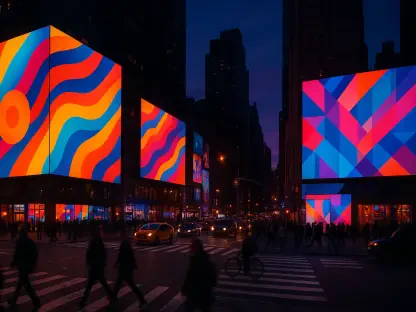
Modern purchase behavior suggests that out-of-home advertising acts as a necessary bridge between real-world movement and the digital transactions that typically occur on a consumer’s mobile device. This physical interaction remains a cornerstone of the modern economy in 2026, especially within the entertainment and tourism sectors where decision windows are increasingly narrow. High-speed connectivity and instant mobile booking platforms have significantly shortened the gap between the initial discovery of an event and the final transaction. While the actual payment happens in the cloud, the spark that ignites that specific desire is frequently a physical encounter in a public space. Consumers no longer spend weeks researching local attractions; instead, they rely on visual cues within their immediate environment to guide their choices. This shift necessitates a reevaluation of how physical advertisements function, moving from simple brand awareness to becoming a direct catalyst for mobile-driven conversion in a hyper-connected world for everyone.
Shifting Consumer Behavior and Discovery Dynamics
Recent market analysis indicates that the traditional sales funnel has been compressed into a much tighter timeframe, as audiences frequently wait until the day of an event or visit to secure tickets. This “just-in-time” mentality places a premium on physical visibility, which serves as a critical tool for influencing behavior before a consumer even initiates an online search. Research regarding Broadway productions in New York illustrates this trend clearly, identifying billboards and posters as the fifth-largest source of awareness among ticket buyers. Remarkably, these physical mediums are outperforming traditional television commercials and newspapers, as well as modern social media platforms like TikTok, in driving direct consumer recognition. By establishing a presence in the physical world, brands can bypass the digital saturation that often leads to advertisement fatigue, ensuring that their message remains a prominent factor in the spontaneous decision-making process for local residents.
The impact of out-of-home advertising extends far beyond specific theatrical hubs and resonates on a massive national scale across various demographics. Data suggests that approximately 68% of adults in the United States regularly notice roadside billboards, confirming that physical advertisements remain one of the most visible forms of media available. More importantly, the relationship between seeing a physical ad and taking digital action has become increasingly direct. Nearly 20% of consumers reported making a purchase on their mobile devices immediately after encountering an out-of-home advertisement. This high conversion rate challenges the outdated notion that physical signage is merely a top-of-funnel tool for general brand building. Instead, it serves as an active participant in the conversion cycle, providing the necessary nudge for a consumer to pull out their phone and complete a transaction while the brand is still physically present in their sightline or nearby vicinity.
Strategic Density: Building a Path to Conversion
Maximizing the effectiveness of out-of-home advertising requires a sophisticated understanding of how geographic context dictates consumer reception. In media-saturated environments like New York City, the volume of competing stimuli requires a high-density approach to break through the daily noise. Advertisers have found success by focusing on high-traffic transit hubs, such as subway systems and bus shelters, where commuters are effectively a captive audience. These placements ensure that a brand remains part of the daily visual landscape for millions of individuals, reinforcing a sense of familiarity and reliability. The strategy in these urban centers is not about a single massive billboard but rather a series of frequent, tactical impressions that align with the specific movement patterns of city dwellers. By embedding themselves into the transit infrastructure, brands can maintain a constant presence that eventually translates into digital search intent and final mobile sales.
Marketing professionals recognized that staying visible in the physical world was the only way to capture the attention of a modern, spontaneous consumer base. Brands that successfully navigated this landscape did so by building strategic density in urban centers and maintaining high visibility along suburban travel corridors. They moved away from isolated digital campaigns and instead integrated physical touchpoints that mirrored the movement patterns of their target audiences. This approach proved that physical visibility remained a primary driver for mobile transactions, as it established a brand’s presence before the search query even began. Moving forward, stakeholders should audit their physical footprints to ensure they are occupying the spaces where their customers actually spend their time. Investing in diverse physical placements while optimizing mobile checkout processes became the standard for achieving high conversion rates. The focus shifted toward creating a unified buyer experience.