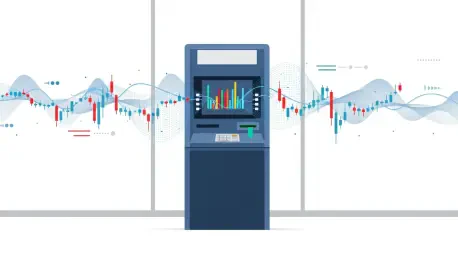

The traditional automated teller machine has long been viewed as a single-purpose utility, yet its evolution into a high-performance media hub is currently redefining the economics of the retail floor. This transformation represents a sophisticated convergence of financial services and digital out-of-home advertising, moving beyond simple cash dispensing to become a strategic asset for retailers. By embedding media capabilities directly into the hardware, the industry has found a way to monetize the “wait time” inherent in every transaction, creating a secondary revenue stream that often exceeds the profitability of standard convenience fees.
Evolution of ATM Hardware into Retail Media Hubs
The transition from a mechanical cash dispenser to a multifaceted retail media hub was driven by the necessity to offset rising operational costs and stagnant transaction volumes. Historically, ATMs were isolated islands of financial utility, requiring manual updates and offering little in the way of interactive engagement. However, the modern integration of high-resolution displays and sophisticated processing units has allowed these machines to serve as powerful communication tools within the physical retail environment. This shift has been facilitated by strategic partnerships between hardware giants like Genmega and media platforms such as Context Networks, which have effectively turned the ATM into a digital billboard.
This technological leap is particularly relevant in the current landscape where brands are struggling to capture consumer attention in cluttered environments. Unlike traditional signage, an ATM provides a captive audience; users are physically present and focused on the screen for several minutes. By leveraging this proximity, operators have moved from being mere service providers to becoming significant players in the programmatic advertising space. This evolution represents a broader trend of “smart” infrastructure where every piece of retail equipment is expected to justify its footprint through data-driven monetization.
Primary Components of Integrated ATM Advertising
Contextual Promotions Media Network: Implementation
A critical pillar of this integration is the Contextual Promotions Media Network, or CPMN™, which serves as the connective tissue between the physical machine and the digital ad exchange. Unlike older systems that required cumbersome field retrofits or third-party “toppers” with limited connectivity, this implementation is baked into the factory settings of the device. This turnkey approach allows independent sales organizations to activate advertising revenue immediately upon deployment. By removing the technical barriers to entry, the system democratizes access to national advertising budgets for smaller operators who previously lacked the scale to attract major brands.
The functionality of CPMN™ relies on its ability to deliver hyper-local content that is relevant to the specific demographic of the surrounding retail environment. Because the software is integrated with the ATM’s core operating system, it can synchronize visual content with the stages of the transaction. This ensures that the message is delivered at the peak moment of engagement, such as while the user is waiting for cash to be counted or a receipt to print. The significance of this system lies in its ability to provide a seamless, non-intrusive user experience while maintaining high visibility for the advertiser.
Programmatic Ad Delivery and Automation
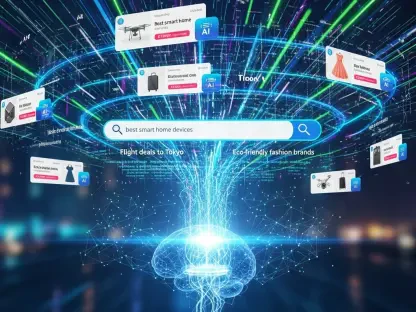
The technical backbone of this media integration is powered by programmatic ad delivery, which automates the buying and selling of ad space in real time. Through partnerships with firms like Mobiquity Technologies, the platform uses data-driven algorithms to fill ad slots with the highest-bidding relevant content. This automation is essential for managing a network of thousands of machines across diverse geographic locations. It eliminates the need for manual scheduling of content, ensuring that the network remains dynamic and responsive to market trends without increasing the workload for the machine owner.
Furthermore, the performance characteristics of this programmatic approach offer a level of transparency previously unseen in traditional retail signage. Advertisers receive detailed metrics on impressions, engagement rates, and even conversion data if the ad is tied to a local promotion or QR code. This accountability makes the ATM a brand-safe and measurable medium, comparable to online advertising but with the added benefit of being in a physical point-of-purchase location. The real-world usage of this technology has shown that automated delivery significantly increases the fill rate of ad inventory, maximizing the return on investment for the hardware.
Current Trends in Financial Self-Service Monetization
The self-service industry is currently witnessing a pivot toward “as-a-service” models where the hardware is merely a vehicle for diverse software-driven revenue. There is a growing emphasis on creating a “phygital” experience—one that blends the physical act of withdrawing cash with the digital convenience of personalized marketing. Emerging trends suggest that consumers are becoming more accepting of these interactive elements, provided they offer tangible value, such as instant coupons or loyalty rewards delivered directly to their mobile devices via the ATM screen.
Moreover, there is a distinct shift in industry behavior toward consolidating media and banking services into a single interface. This is not just about showing an ad; it is about creating a cohesive ecosystem where the ATM acts as a localized marketing concierge. As retailers look for ways to drive foot traffic, the ability of the ATM to broadcast store-specific promotions becomes a vital tool. This trend is pushing manufacturers to prioritize screen quality and processing power, ensuring that the media delivery does not interfere with the speed and security of the primary financial transaction.
Real-World Applications and High-Traffic Deployments
High-traffic retail environments, such as convenience stores, gas stations, and transit hubs, have become the primary testing grounds for integrated media ATMs. In these sectors, the “heavy cash usage” demographic aligns perfectly with the target audience for many consumer packaged goods. Notable implementations have shown that when an ATM displays a promotion for a product located just feet away on a store shelf, the conversion rate is substantially higher than traditional out-of-home media. This “last-mile” marketing capability is a unique use case that differentiates the integrated ATM from other digital displays.
Beyond standard retail, we see unique deployments in entertainment venues and casinos where the ATM is used to promote upcoming events or exclusive site-specific offers. These sectors utilize the high-resolution displays to run full-motion video that captures the high-energy atmosphere of the surroundings. By tailoring the content to the specific atmosphere of the deployment site, operators can ensure that the advertisements feel like a natural extension of the user’s environment rather than a generic distraction. These real-world applications demonstrate the versatility of the hardware in adapting to different commercial contexts.
Operational Hurdles and Industry Limitations
Despite the rapid progress, the technology faces several operational hurdles that could impede widespread adoption if not addressed. One of the primary technical challenges is ensuring consistent high-speed connectivity across diverse and often remote locations. Since programmatic advertising requires real-time data exchange to function effectively, any lag in the network can lead to “blank” screens or delayed ad delivery, which devalues the inventory. Additionally, operators must balance the power demands of high-brightness displays with the energy efficiency requirements of modern retail environments.
Regulatory issues also remain a concern, particularly regarding consumer privacy and data security. As ATMs become more interactive and data-rich, maintaining the firewall between sensitive financial data and the advertising software is paramount. There is a constant need for rigorous compliance checks to ensure that no personally identifiable information is leaked during the ad-targeting process. While development efforts are ongoing to create “air-gapped” software architectures that isolate these functions, the perception of risk remains a market obstacle that requires ongoing education and transparent communication with the public.
Future Outlook: The Next Generation of Interactive ATMs
The trajectory of this technology points toward a future where the ATM is a fully immersive interactive kiosk. The next generation of devices, such as the NOVA series, are designed with 17-inch high-definition touchscreens that support full-motion video throughout the entire user journey. We are moving toward a period where the distinction between a financial terminal and a retail kiosk will virtually disappear. Future breakthroughs will likely include biometric integration and AI-driven personalization, allowing the machine to recognize a user and serve a tailored advertisement or financial offer based on their history and preferences.
Long-term, this integration will likely lead to the “zero-fee” ATM model, where the revenue generated from media and data services completely covers the cost of the transaction for the consumer. This would have a profound impact on financial inclusion, making cash access more affordable in underserved communities while still providing a profitable model for the operator. The integration of advanced API-driven workflows will allow for even more complex interactions, such as ordering goods for home delivery directly from the ATM interface or participating in real-time gaming and social media activations during the transaction process.
Assessment of ATM Retail Media Integration
The integration of retail media into ATM hardware has successfully bridged the gap between traditional banking and modern digital marketing. This review has highlighted how the move toward pre-installed, programmatic platforms like CPMN™ has provided a scalable and efficient way for operators to diversify their income. The technology has proven its worth in high-traffic deployments, demonstrating a clear ability to capture consumer attention and drive sales at the point of purchase. While challenges regarding data privacy and technical connectivity persisted, the industry showed a strong commitment to overcoming these through innovative software design and robust hardware standards.
Ultimately, the shift toward interactive, media-rich ATMs represented a fundamental reimagining of what financial self-service could achieve. The success of this integration was not just measured in ad impressions, but in the creation of a more sustainable business model for independent ATM deployers. By turning a necessary utility into a premium marketing asset, the partnership between hardware manufacturers and media networks established a new benchmark for the industry. The era of the “single-purpose” ATM ended as the technology matured into a sophisticated, multi-functional tool that benefited advertisers, operators, and consumers in equal measure.