

Future human-AI collaboration relies on the technology handling tedious rendering and organization while the human maintains the role of the creative director. As of 2026, the landscape of digital content creation has undergone a significant transformation, moving away from the simplistic

Successful publishers are beginning to thin out their supply-side relationships to focus on a few high-performing connections that reduce technical overhead. This shift marks a definitive end to the era of uncontrolled expansion, where the primary objective was simply to capture as much market

The traditional barriers that once restricted high-quality cinematic production to elite studios have vanished, replaced by a computational landscape where pixels are synthesized rather than recorded, enabling brands to generate complex visual narratives in minutes rather than months. This

Consensus is growing that while technology can handle the massive complexity of modern media, humans must remain responsible for the qualitative synthesis of brand goals. The advertising industry is currently navigating a pivotal transition in its adoption of artificial intelligence, moving far
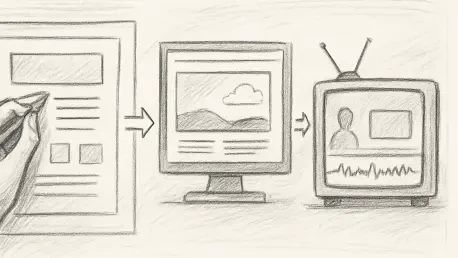
The revolutionary shift toward automated marketing technology has finally dismantled the long-standing financial barriers that once prevented small local businesses from competing on major broadcast networks alongside international household names and major corporations. Television advertising has

Success in the pharmaceutical sector no longer depends solely on laboratory breakthroughs but on the ability to translate those achievements into a digital presence that resonates with a skeptical public. This guide provides a strategic roadmap for pharmaceutical organizations to navigate the
1 2 3 4 5 6 7 8 9 10 11 12 13 14 15 16 17 18 19 20 21 22 23 24 25 26 27 28 29 30 31 32 33 34 35 36 37 38 39 40 41 42 43 44 45 46 47 48 49 50 51 52 53