

The vibrant streets of Mumbai and Delhi have long been a canvas for massive out-of-home (OOH) displays, yet for many years, advertisers remained skeptical about the true return on investment for these high-cost installations. This skepticism stems from a historical reliance on opaque measurement

In the rapidly shifting landscape of digital commerce, the bridge between brand visibility and actual revenue has become increasingly precarious. As a global leader in SEO, content marketing, and data analytics, Anastasia Braitsik stands at the intersection of creative storytelling and rigorous

The Transformation of India’s Digital Advertising Landscape The rapid expansion of India’s digital infrastructure has transformed the region into a vital proving ground for sophisticated advertising technologies that prioritize automation over traditional manual trading. India now functions as a

Anastasia Braitsik is a global leader in SEO, content marketing, and data analytics, recognized for her ability to decode complex digital trends into actionable growth strategies. As the digital media landscape shifts away from algorithmic feeds toward owned audience ecosystems, she has become a

Anastasia Braitsik has stood at the crossroads of SEO and data analytics for years, guiding global brands through the increasingly complex labyrinth of digital advertising. As Google prepares to flip the switch on one of its most significant structural updates to Search campaigns, Anastasia joins
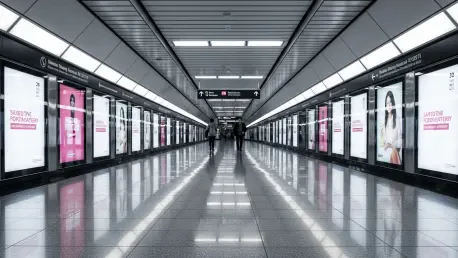
The sheer ubiquity of personal screens has paradoxically restored the prestige of the physical environment, making the skyline and the subway station the most vital stages for modern brand narratives. In the current media landscape, Out-of-Home (OOH) advertising has evolved from a medium of passive