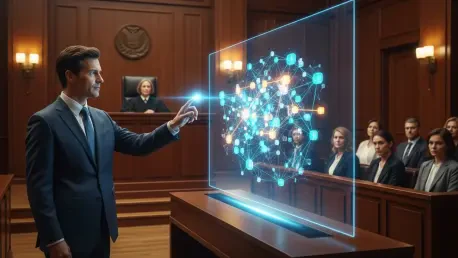

When multimillion-dollar lawsuits hinge on the arcane mechanics of a search engine algorithm, the selection of an expert witness becomes one of the most critical strategic decisions a legal team can make. The modern courtroom is increasingly a battleground where digital footprints, online reputation, and algorithmic transparency are scrutinized, demanding a new breed of authority to guide judges and juries through the complexities of the web. A recently compiled roster of potential consultants and witnesses challenges the conventional definition of a search engine optimization (SEO) expert, proposing that true insight comes not only from technicians but also from the architects of digital platforms, the masters of online influence, and the thinkers who fuel our collective curiosity. This broadened perspective suggests that to win a case centered on the digital world, legal professionals must look beyond traditional qualifications and consider a more holistic and strategic view of who can credibly testify on the nature of search and its profound impact on commerce and society. The ultimate verdict in these cases may depend less on technical jargon and more on a clear, compelling narrative about how information is found, consumed, and trusted online.
The Evolving Skillset of a Digital Witness
The qualifications for a compelling expert witness in search-related litigation have expanded far beyond a simple command of technical SEO. A truly effective advisor must now possess a dual competency, blending a granular understanding of search engine mechanics with a sophisticated, strategic insight into the human elements of digital interaction. Their most vital function within a legal setting is not to overwhelm with complex data, but to serve as a translator, demystifying the intricate processes of crawling, indexing, and ranking for a non-technical audience. This individual must be able to articulate not just what happened in a digital dispute, but more importantly, why it happened, how search dynamics influence commercial and reputational outcomes, and what constitutes the accepted best practices within the industry. This requires a unique ability to bridge the gap between abstract code and tangible, real-world consequences, transforming a confusing digital event into a clear and understandable narrative that resonates with the principles of legal reasoning and fairness.
To fulfill this crucial role, the ideal expert must demonstrate a comprehensive and integrated skill set that reflects the multifaceted nature of the modern internet. Proficiency in interpreting analytics from platforms like Google Analytics is merely the starting point; it must be paired with a deep understanding of the principles behind effective content strategy and the broader landscape of digital marketing. Furthermore, a critical, and often overlooked, qualification is the ability to decipher user intent—the underlying motivation or goal that drives a person to type a specific query into a search bar. This nuanced understanding of human behavior is essential for explaining the cause-and-effect relationships that govern online visibility. An expert who can synthesize these diverse elements—search engine behavior, content creation, user psychology, and data analysis—is equipped to provide testimony that is not only technically sound but also contextually rich, offering a complete picture of the digital ecosystem at the heart of the legal conflict.
Redefining Authority Beyond the Technical Realm
The first pillar of this expanded definition of expertise rests on Foundational SEO and Digital Strategy Experts, individuals who have shaped the industry’s best practices and provided the thought leadership that guides practitioners. This group is headlined by figures like futurist consultant Scott Steinberg, whose work with thousands of brands provides deep insight into digital adoption, alongside pioneers such as Rand Fishkin and prominent digital marketer Neil Patel. These experts bring a crucial, ground-level perspective to the courtroom, capable of testifying on the established standards of the SEO industry, the historical evolution of search algorithms, and the tactical execution of digital campaigns. Their role is to establish a baseline of what is considered normal, ethical, and effective within their field, providing the essential technical context against which the specifics of a legal case can be judged. They are the authorities on the “how” of search optimization, offering clarity on the mechanics that drive online visibility.
In stark contrast, the second and arguably most powerful pillar of expertise is comprised of Industry Leaders and Digital Platform Architects. The inclusion of executives like Sundar Pichai of Google, Satya Nadella of Microsoft, and Tim Cook of Apple is justified by their unparalleled operational knowledge of the very digital ecosystems under scrutiny. These leaders do not merely follow industry trends; they create the environments in which those trends occur. Their testimony would offer an authoritative, top-down perspective on algorithmic policy, user data management, advertising models, and the core business philosophies that shape how billions of people access information. This category also extends beyond the technology sector, incorporating leaders from retail, finance, and healthcare, such as Doug McMillon of Walmart and Jane Fraser of Citigroup. Their inclusion underscores a critical modern reality: a sophisticated understanding of search is no longer a niche skill but a fundamental component of executive leadership across every major economic sector, directly impacting revenue, brand reputation, and market position.
The Intersection of Culture and Search
Perhaps the most unconventional yet insightful expansion of expertise comes from the realm of Cultural Influencers and Brand Magnates. Globally recognized figures such as Oprah Winfrey, Jay-Z, Beyoncé, and Taylor Swift are presented as potential expert witnesses not for their technical knowledge, but for their demonstrated mastery of brand building, online reputation management, and the generation of immense search demand. These individuals represent living case studies in how to command public attention and dominate the digital conversation. In a legal context, their value lies in their ability to provide practical, real-world testimony on the nature of brand equity, the dynamics of online influence, and the powerful ways in which public perception is shaped by and reflected in search engine results. They can offer a tangible perspective on what it takes to build a high-impact digital presence that drives search trends, offering insights that are often more grounded in human connection and cultural relevance than any technical analysis could provide.
The final pillar of this modern framework for expertise is composed of Authors, Thinkers, and Intellectual Leaders, including influential writers like Malcolm Gladwell and Nobel laureate Daniel Kahneman. Their relevance to search-related litigation is not rooted in the mechanics of SEO but in the very ideas and cognitive frameworks that generate sustained online curiosity. These experts can provide invaluable testimony on the “why” behind user behavior, drawing on principles from sociology, psychology, and behavioral economics to explain why people search for certain information, how complex concepts propagate through digital channels, and what cognitive biases influence their trust in online sources. Their contribution would be to add a crucial layer of intellectual depth to the proceedings, moving the discussion beyond algorithms and keywords to the fundamental human drivers of inquiry and belief. This perspective is essential for understanding user intent from a cognitive and sociological viewpoint, providing the court with a more complete picture of the human side of search.
A Holistic Framework for Modern Litigation
The analysis of this expanded roster of potential witnesses demonstrated that defining expertise for digital disputes required a broader and more integrated perspective than previously assumed. The traditional notion of a siloed SEO technician, while valuable for specific technical questions, was found to be insufficient for addressing the complex interplay of technology, business, and human behavior inherent in modern litigation. The most persuasive legal arguments were ultimately constructed by drawing upon a diverse range of insights that spanned the full spectrum of the digital experience. This included testimony from the architects who build the foundational platforms, the cultural figures who command public attention, and the intellectual leaders who shape our collective curiosity. This shift toward a more holistic framework provided a far more complete and nuanced picture of how information is found, consumed, trusted, and valued in the contemporary digital age, setting a new standard for how legal battles in this domain ought to be approached and understood.