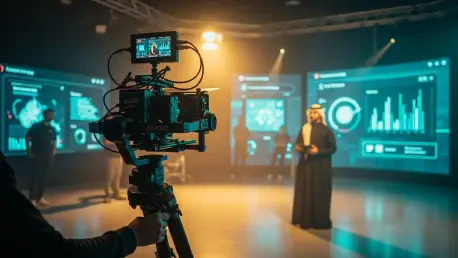

Digital landscapes across the Middle East are shifting as Saudi Arabia transitions from simple content creation to a professionalized, multi-billion-dollar media industry that commands global attention. The Kingdom has moved beyond the era of fragmented social media posts, establishing a sophisticated ecosystem where digital creators function as independent media brands. Currently accounting for forty percent of the influencer population in the Gulf Cooperation Council, the Saudi market serves as the primary engine for regional digital trends and commercial growth.
This evolution is characterized by a significant influx of professional talent, with over 263,000 licensed media professionals now operating within the borders. While the industry was once dominated by casual social figures, it now consists of specialized segments spanning fashion, beauty, and high-production entertainment. These creators are no longer just individuals with cameras; they are strategic partners that drive brand perception through high-quality storytelling that resonates with a culturally nuanced audience.
Decoding Market Dynamics and Strategic Growth
Shifting Paradigms: From Vanity Metrics to Data-Driven Authenticity
The strategy governing successful campaigns has moved decisively toward conversion rates and deep engagement rather than superficial follower counts. Brands are increasingly prioritizing nano and micro-influencers who offer high returns on investment due to their niche specialization and perceived honesty. This shift is essential because approximately 68 percent of Saudi consumers rely on creator recommendations, while half of the Gen Z population discovers products primarily through these digital channels.
Platform dominance remains a critical factor in how these dynamics play out across the region. TikTok, Snapchat, and Instagram continue to lead the landscape, providing the immersive environments necessary for effective brand integration. As consumer behaviors mature, the demand for authentic connection has forced creators to refine their output, ensuring that sponsored content feels like a natural extension of their personal brand rather than a traditional advertisement.
Quantifying the Boom: Market Projections and Performance Indicators
Financial indicators point toward an unprecedented expansion that is expected to reach a valuation of 3.6 billion dollars by 2033. This growth is fueled by a compound annual growth rate of 32.2 percent, reflecting a massive reallocation of traditional advertising budgets into the creator economy. The sheer volume of media licenses issued by authorities serves as a primary indicator of industry health and the high level of institutional confidence in this digital pivot.
Navigating the Complexities of a Sophisticated Market
Maintaining authenticity in an environment that is becoming increasingly commercialized presents a significant hurdle for both brands and creators. As the market reaches a state of saturation, the cost of top-tier talent has risen, making it difficult for smaller enterprises to compete for the most visible voices. Furthermore, the industry must constantly battle the presence of artificial reach, requiring sophisticated technological solutions to verify true influence and audience sentiment.
Bridging the gap between the rigid expectations of a corporation and the creative freedom required by a creator remains a delicate balance. Effective partnerships now require a level of trust that allows the influencer to speak in a voice that their audience recognizes. Without this autonomy, campaigns often fail to generate the necessary engagement, leading to a wasted expenditure of resources in a highly competitive attention economy.
Standardizing Success Through Government Oversight
The General Commission for Audiovisual Media has played a pivotal role in transforming a once-random market into a regulated sector. By implementing strict licensing requirements, the government has successfully improved content quality and ensured that all participants adhere to a standardized set of professional ethics. These measures provide a layer of security for brands, knowing that their partners are compliant with national regulations and international standards.
Standardized contractual relationships have further stabilized the industry by protecting the rights of both parties and fostering transparency in financial transactions. This regulatory framework has reduced the risks associated with influencer marketing, such as fraudulent reporting or non-compliance with advertising disclosures. Consequently, the Kingdom has established a transparent environment that attracts foreign investment and encourages the adoption of global best practices.
The Road Ahead: Anticipating the Next Wave of Digital Influence
Innovation in the digital sphere is moving toward a coexistence between human creators and artificial intelligence. The emergence of virtual influencers is not expected to replace human connection but rather to complement it by offering immersive and highly controllable brand experiences. These digital avatars provide a new frontier for storytelling, allowing for creative executions that were previously impossible or prohibitively expensive to produce in the physical world.
Future market disruptors will likely include decentralized platforms and new social commerce features that integrate purchasing directly into the content stream. As Saudi Arabia continues to act as a global testing ground for these strategies, the focus will shift toward creating seamless shopping experiences within the social media environment. This integration will further blur the lines between entertainment and commerce, solidifying the role of digital creators in the total consumer journey.
Strategic Outlook: The Kingdom as a Global Blueprint for Growth
The industry trajectory suggested that Saudi Arabia successfully redefined the standards for digital engagement by prioritizing professionalization and regulatory clarity. Investors and brands that looked toward the 2033 forecasts recognized the necessity of integrating localized creator strategies into their long-term digital advertising budgets. This transition confirmed that the Kingdom was no longer just a participant in the global media landscape but a leader in setting the pace for innovation.
The strategic focus shifted toward actionable data and the long-term sustainability of creator-brand relationships. By fostering an environment where innovation met oversight, the market provided a blueprint for how other nations might manage the rapid expansion of the digital economy. Ultimately, the industry demonstrated that influence was most effective when it was managed with the same rigor and transparency as any other major economic sector.