
The predictable cadence of annual marketing plans has been replaced by a continuous, real-time adaptation to a digital ecosystem that reinvents itself with breathtaking speed. In this environment, consumer attention is the most valuable currency, and the strategies that captured it yesterday are already becoming obsolete today. Success no longer belongs to the brands that shout the loudest, but to those that understand and integrate the subtle, powerful shifts in how people connect, discover, and purchase. This guide delves into the seven pivotal trends that are not just influencing but actively defining the modern marketing playbook.
The New Rules of Engagement: Why Marketing Trends Matter
The digital landscape is in a state of perpetual evolution, driven by technological advancements and, more importantly, a profound shift in consumer expectations. Audiences now demand more than passive advertising; they seek authenticity, value, and a genuine connection with the brands they choose to support. This change has elevated the importance of staying current, transforming it from a tactical advantage into a strategic necessity. Brands that fail to adapt risk becoming irrelevant in a marketplace crowded with more agile and culturally fluent competitors.
Remaining relevant and driving sustainable growth requires a deep understanding of the forces shaping consumer behavior. It involves moving beyond traditional metrics to embrace a more holistic view of engagement that values community building, trust, and authentic participation. The following analysis breaks down seven key trends that serve as the pillars of this new marketing paradigm: the dual dominance of short-form and long-form video, the imperative of authenticity, the rise of the creator economy, the critical role of data, the transformative power of AI, and the seamless integration of social commerce.
The Strategic Imperative: Benefits of Adopting Modern Marketing Practices
Embracing the currents of modern marketing is fundamentally about building a resilient and profitable business. Staying ahead of trends allows organizations to forge deeper, more meaningful connections with their customers, transforming transactional relationships into loyal communities. This approach directly translates to an improved return on investment (ROI), as marketing efforts become more targeted, efficient, and resonant. By aligning strategies with contemporary consumer behaviors, businesses can ensure their resources are allocated for maximum impact.
The ultimate benefit extends beyond immediate campaign success; it fosters a sustainable competitive advantage. In today’s saturated market, a brand’s ability to participate meaningfully in cultural conversations and integrate its presence across multiple platforms is what sets it apart. This strategic integration is a departure from simply maintaining a brand presence. It signifies a move toward becoming an active, valued participant in the customer’s world, creating a powerful moat that competitors find difficult to cross.
The 7 Pillars of Modern Marketing: A Deep Dive
To navigate this new terrain effectively, marketers must deconstruct these overarching trends into clear, actionable strategies. Each of the following seven pillars represents a fundamental shift in the marketing landscape, demanding new skills, tools, and mindsets. Understanding them individually and in concert is the key to crafting a marketing plan that is not only current but also future-proof. Each trend is supported by real-world context, illustrating its practical application and strategic value.
Trend 1: The Unstoppable Rise of Short-Form Video
The explosion of platforms like TikTok and Instagram Reels has fundamentally rewired how content is consumed. The preference for short, vertical, and highly engaging videos reflects a broader societal shift toward rapid information intake and entertainment. These bite-sized clips are designed for discovery, capturing attention within seconds and encouraging immediate interaction through likes, comments, and shares. For marketers, this format offers an unparalleled opportunity to reach vast audiences quickly and tap into viral trends.
The strategic value of short-form video lies in its ability to deliver high-impact messages in a condensed timeframe. Its vertical orientation is native to mobile devices, creating an immersive, full-screen experience that minimizes distractions. Brands that master this format can convey personality, showcase products in dynamic ways, and participate in cultural moments authentically, making their content feel less like an advertisement and more like native entertainment.
Case in Point Driving Virality and Engagement
Brands that excel in this space leverage quick, entertaining videos to achieve phenomenal completion rates and build a powerful connection with a fast-paced audience. A notable example is a cosmetics company that launched a new product line exclusively through a series of 15-second TikTok videos featuring user-generated tutorials and challenges. The campaign went viral, driven by its relatable and easily replicable format, resulting in a surge of organic engagement and selling out the new line within a week of its official launch.
Trend 2: The Strategic Return of Long-Form Video
While short-form video dominates discovery, a counter-trend has emerged: the resurgence of in-depth, long-form content on platforms like YouTube. Audiences are increasingly turning to longer videos for education, detailed reviews, behind-the-scenes stories, and deep dives into topics they are passionate about. This format serves a different but equally important purpose, allowing brands to move beyond fleeting attention to build authority, foster community, and cultivate lasting brand loyalty.
A successful modern marketing strategy requires a dual approach that harmonizes both video formats. Short-form clips act as the gateway, drawing new audiences into the brand’s ecosystem with engaging hooks and viral content. Long-form video then takes over, nurturing that initial interest with substantive content that provides genuine value. This combination creates a comprehensive funnel, guiding viewers from casual discovery to deep-seated loyalty and advocacy.
Case in Point Building a Loyal Community
Consider a technology brand that uses its YouTube channel to post comprehensive video guides, in-depth product teardowns, and interviews with its engineers. This content doesn’t just explain how a product works; it tells the story behind its creation and builds a community of informed enthusiasts. By investing in long-form educational content, the brand positions itself as a trusted expert, fostering a deep connection with its audience that translates into higher customer lifetime value and passionate brand advocacy.
Trend 3: Authenticity as a Non-Negotiable Brand Imperative
Authenticity has evolved from a marketing buzzword into a foundational consumer expectation. In a world saturated with polished corporate messaging, audiences crave genuine communication and transparent interactions. Research consistently shows that an overwhelming majority of consumers—around 90%—prioritize authenticity when deciding which brands to support. This imperative requires businesses to communicate with a consistent, human voice and align their actions with their stated values.
One of the most effective ways to demonstrate authenticity is by harnessing user-generated content (UGC). When customers share their own photos, videos, and reviews featuring a brand’s products, it creates powerful social proof that is far more credible than traditional advertising. Seeing real people use and enjoy a product builds a level of trust that branded content struggles to achieve. Brands that actively encourage and feature UGC are not just building a library of marketing assets; they are building a community of credible advocates.
Case in Point Leveraging UGC for Credibility
A travel gear company successfully built its brand on the back of authenticity by creating a dedicated gallery on its website featuring customer-submitted photos from adventures around the globe. The company encouraged buyers to share their experiences using a specific hashtag. This strategy not only provided a steady stream of compelling, real-world visual content but also boosted sales, as 82% of consumers are more likely to make a purchase after seeing UGC from fellow users. It transformed customers into storytellers, weaving the brand into their personal narratives.
Trend 4: The Creator Economy and Niche Influencers
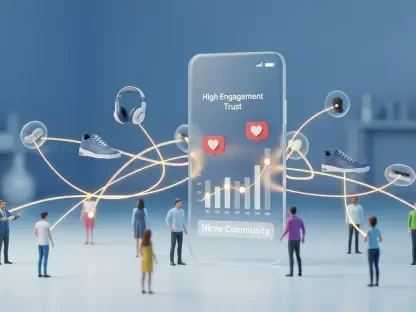
The era of relying solely on celebrity endorsements has given way to a more sophisticated and effective approach: strategic partnerships with micro- and niche influencers. The creator economy has matured into a powerful force, enabling brands to connect with highly specific and engaged communities through trusted voices. Unlike macro-celebrities with broad, diverse followings, niche creators cultivate deep, authentic relationships with their audiences, who view them as peers and experts in their respective fields.
This shift delivers a demonstrably higher return on investment. Data reveals that niche influencers can generate engagement rates up to 60% higher than their larger counterparts, often producing an ROI that is more than six times greater. These creators are masters of cultural fluency within their communities, allowing brands to participate in conversations in a way that feels organic rather than intrusive. About 91% of marketers now recognize influencer marketing as an essential strategy for reaching specific demographics with precision and credibility.
Case in Point Maximizing ROI with Micro-Influencers
A sustainable fashion brand, aiming to reach ethically-conscious millennials, bypassed expensive celebrity campaigns and instead collaborated with a dozen micro-influencers in the slow-fashion and zero-waste communities. Each creator produced authentic content showcasing the brand’s products in their daily lives. The campaign generated authentic buzz and led to a 6.5x greater ROI compared to the brand’s previous traditional digital advertising efforts, proving that targeted influence is more powerful than mass reach.
Trend 5: Data-Driven Strategies for Measurable ROI
In the modern marketing organization, intuition must be validated by data. Grounding every decision in performance metrics and audience analytics is no longer optional; it is the cornerstone of an effective and accountable strategy. Data allows marketing teams to move beyond vanity metrics like likes and shares to understand what truly drives business outcomes. By tracking key performance indicators (KPIs), marketers can prove their value to leadership and secure buy-in for future initiatives.
Furthermore, data provides the essential insights needed to understand consumer behavior and personalize experiences at scale. With 75% of consumers more likely to purchase from brands that offer personalized experiences, leveraging analytics is critical. Tools like Google Analytics 4 and integrated CRM platforms help marketers map the customer journey, identify pain points, and deliver the right message to the right person at the right time, ensuring that every effort is optimized for maximum resonance and impact.
Case in Point Optimizing Campaigns with Real-Time Analytics
A B2B software company’s marketing team utilizes a centralized data dashboard to monitor campaign performance across all social media channels in real time. This allows them to see which content formats are driving the most qualified leads and which platforms are delivering the highest conversion rates. By making agile, data-informed adjustments—such as reallocating budget from an underperforming channel to a high-performing one mid-campaign—the team can continuously optimize its strategy and directly link its social media efforts to tangible business goals like lead generation and customer acquisition.
Trend 6: The Transformative Power of AI and Automation
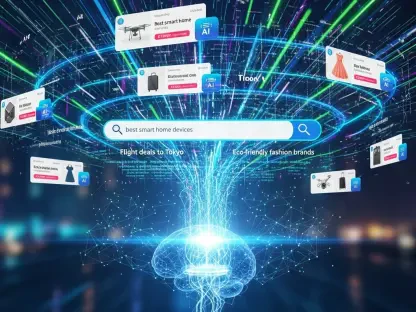
Artificial intelligence (AI) and automation are revolutionizing marketing workflows, freeing human talent from routine, time-consuming tasks to focus on high-level strategy and creativity. AI-powered tools can now streamline content creation, schedule posts for optimal engagement, analyze vast datasets for insights, and automate performance reporting. This technological shift is not about replacing marketers but empowering them to work more efficiently and effectively.
One of the most significant benefits of integrating AI is its ability to combat creative fatigue. A staggering 93% of social media practitioners report that AI helps reduce burnout by assisting with brainstorming, generating content variations, and identifying emerging trends. As brands face mounting pressure to produce a constant stream of high-quality content, these tools become indispensable allies. The adoption of AI is accelerating, with half of all marketing leaders planning to maximize their use of AI tools to maintain a competitive edge.
Case in Point Enhancing Efficiency with AI
A marketing team at a fast-growing e-commerce startup uses an AI-powered software suite to automate its weekly performance reporting and generate data-backed content ideas. The tool analyzes top-performing content within their industry and suggests topics, formats, and headlines likely to resonate with their target audience. This has reduced the time spent on manual reporting by 80% and significantly boosted team productivity, allowing them to focus their creative energy on producing innovative campaigns that drive growth.
Trend 7: The Seamless Integration of Social Commerce
The line between social media and e-commerce has all but disappeared. The explosive growth of in-app shopping features has transformed platforms like Instagram, Facebook, and TikTok into powerful retail channels, fundamentally altering the consumer path to purchase. Social commerce creates a frictionless experience, allowing users to discover a product and complete a purchase without ever leaving the app. This trend is particularly dominant among Millennial and Gen Z consumers, who value convenience and immediacy.
The impact of social commerce on business growth is direct and substantial. On average, stores with an integrated social media presence generate 32% more sales than those without one. Social platforms have become the primary arena for brand discovery, with 74% of users finding new brands through their feeds. They also serve as a critical source of social proof, as 76% of consumers read reviews on social media before buying. For modern brands, optimizing profiles for direct sales and creating seamless social storefronts is no longer an option—it is essential for survival and growth.
Case in Point Driving Sales Through Social Storefronts
A direct-to-consumer home decor brand successfully integrated a shoppable storefront on its Instagram profile, tagging products directly in its posts and Stories. This created a frictionless shopping experience, allowing followers to browse and buy products with just a few taps. Within six months of launching their social storefront, the brand increased its average sales by 32% and saw a significant lift in conversion rates from social media traffic, demonstrating the power of meeting customers where they are already spending their time.
The Verdict: Navigating the Future of Marketing
The seven trends explored here are not isolated phenomena but deeply interconnected forces that collectively shape the modern marketing landscape. The rise of video content fuels the creator economy, authenticity is amplified by user-generated content, and all of these efforts are optimized through data analytics and AI. Success in this environment demanded a holistic strategy that recognized and leveraged these synergies, moving beyond siloed tactics toward a fully integrated approach.
For marketers and business leaders, the path forward required prioritizing these trends based on specific business goals and audience demographics. A brand targeting Gen Z, for example, would benefit from a rapid adoption of short-form video and social commerce, whereas a B2B company might prioritize long-form educational content and data-driven personalization. The key was to remain agile, continuously testing, learning, and adapting to the relentless pace of change.
Ultimately, building a resilient, future-proof marketing plan was about more than just adopting the latest technology or jumping on a viral trend. It was about fundamentally realigning the brand’s mission with the consumer’s expectations for value, connection, and authenticity. The businesses that thrived were those that embraced this new paradigm, transforming their marketing from a function that speaks at customers to one that builds communities with them.