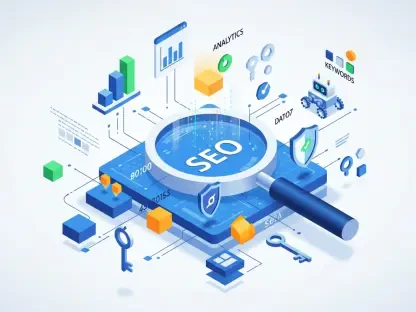

The digital landscape has shifted from a simple game of keyword stuffing to a complex, multi-dimensional ecosystem where search engines now prioritize human intent over mechanical repetition. As of 2026, the traditional SEO playbook has been largely rewritten, replaced by a sophisticated framework that blends artificial intelligence with deep psychological insights. This evolution marks a departure from purely technical manipulation toward a model that rewards genuine value and structural integrity. Understanding this transition is no longer optional for organizations; it is the fundamental requirement for maintaining any semblance of online visibility in an increasingly crowded marketplace.
The Evolution of Search Engine Optimization
Modern SEO has moved beyond its origins as a collection of “hacks” designed to trick algorithms into granting high rankings. In the current era, the technology functions as a bridge between massive data repositories and the specific needs of an individual user. This shift was necessitated by the rise of semantic search, which allows engines to understand the context behind a query rather than just the literal words. By analyzing the relationship between concepts, modern systems can deliver results that align with what a user actually wants to find, even if they lack the precise vocabulary to describe it.
This evolutionary path has integrated search functionality into every facet of the broader technological landscape. It is no longer a siloed marketing task but a core component of software development, data science, and user experience design. The emergence of neural networks and large language models has forced SEO to become more holistic, focusing on the quality of the information provided and the technical efficiency of the delivery mechanism. Consequently, the field now demands a multidisciplinary approach that balances creative content with rigorous data analysis.
Strategic Pillars of Advanced SEO
Data-Driven Keyword Intelligence and Intent Mapping
The transition from broad search terms to intent-based mapping represents a major leap in how brands connect with their audiences. Instead of competing for generic high-volume terms that yield low conversion rates, advanced practitioners now utilize granular data to identify “long-tail” opportunities. These specific phrases reflect a user’s immediate need or a particular stage in the buying journey. By mapping content to these nuances, a site can capture high-intent traffic that is far more likely to engage or convert than a visitor landing on a page via a vague keyword.
Technical Infrastructure and Back-End Integrity
A website’s underlying code serves as the invisible engine that determines its visibility in search results. Technical SEO in 2026 focuses heavily on “Core Web Vitals,” which measure page speed, interactivity, and visual stability. If the back-end infrastructure is bloated or poorly optimized, even the best content will remain hidden. Modern systems prioritize clean, semantic HTML and structured data markup, which act as a roadmap for search crawlers. This technical precision ensures that robots can efficiently index the site, while human users enjoy a seamless, fast-loading experience.
Content Quality and Semantic Relevance
The industry has firmly pivoted toward “helpfulness” as the ultimate ranking signal, formalizing the requirements of Experience, Expertise, Authoritativeness, and Trustworthiness (E-E-A-T). Search engines now possess the capability to detect whether a piece of content was written by someone with genuine insight or if it was generated by a generic template. This has led to the rise of evergreen content—resourceful articles that provide lasting value and are regularly updated to reflect new developments. Quality is no longer measured by word count but by the depth of the resolution provided to the user’s problem.
Authority Building and Link Ecosystems
In the past, link building was a numbers game, but today it is an exercise in reputation management. The focus has shifted from the quantity of backlinks to the qualitative health of a site’s link ecosystem. High-authority links from reputable, industry-specific sources act as votes of confidence that elevate a site’s standing. Conversely, a profile cluttered with low-quality or manipulative links can lead to severe algorithmic penalties. Strategic authority building now involves active outreach and the creation of unique data or insights that naturally compel others to reference the source.
Emerging Trends and Algorithmic Shifts
One of the most significant shifts in the current landscape is the integration of generative AI directly into search result pages. This has changed user behavior, with many people now receiving direct answers without ever clicking through to a website. To counter this, advanced SEO strategies now focus on “zero-click” optimization, ensuring that a brand’s information is the one being used by the AI to formulate its response. This requires a much higher level of data structure and a more authoritative voice than previous iterations of search marketing required.
Real-World Applications and Sector Impact
In sectors like healthcare and finance, where information accuracy is paramount, advanced SEO has become a tool for public safety and consumer protection. These “Your Money or Your Life” (YMYL) industries are held to higher standards, where technical integrity and verified expertise are non-negotiable. Furthermore, in the e-commerce sector, advanced optimization allows smaller retailers to compete with giants by dominating niche categories through hyper-specific intent mapping and superior local search presence.
Technical Hurdles and Implementation Challenges
Despite its benefits, the complexity of modern SEO presents significant hurdles, particularly regarding data privacy and the depreciation of third-party cookies. Organizations must find ways to gather user insights without infringing on privacy regulations. Additionally, the rapid pace of algorithmic updates can make it difficult for smaller teams to keep up with technical requirements. The sheer volume of data required to perform high-level intent mapping often necessitates a significant investment in specialized software and skilled personnel, creating a barrier to entry for many startups.
Future Outlook and Technological Trajectory
Looking ahead, search is likely to become even more decentralized and integrated into various smart devices and voice interfaces. This trajectory suggests a move toward “ambient search,” where the technology anticipates user needs based on environmental context and past behavior. Breakthroughs in natural language processing will likely eliminate the need for keywords entirely, replaced by a system that understands the underlying intent of a conversation. As search becomes more predictive, the focus will shift from attracting traffic to maintaining a persistent, authoritative presence across a wide range of digital touchpoints.
Final Assessment and Summary
The review of advanced SEO practices revealed a transition from reactive tactics to a proactive, integrated discipline. Successful implementation required a delicate balance between technical excellence and human-centric content, moving away from the simplistic models of previous years. It was observed that organizations prioritizing structural health and semantic relevance achieved more sustainable growth than those relying on short-term trends. The strategic shift toward authority and intent proved to be the most reliable method for navigating the complexities of modern algorithmic changes.
Ultimately, the trajectory of this technology pointed toward a future where the distinction between search optimization and high-quality digital publishing disappears entirely. Those who invested in deep data intelligence and rigorous technical standards found themselves better positioned to adapt to the rise of AI-driven search interfaces. The final verdict suggested that while the technical requirements have become more demanding, the rewards for providing genuine, accessible expertise have never been higher. Moving forward, the industry must continue to refine its ethical standards and data practices to maintain user trust in an increasingly automated information environment.