
The very technology that connected us to the farthest corners of the globe is now pivoting to rediscover the vibrant life unfolding just around the corner, representing a significant shift in digital marketing and social media. This analysis examines the evolution of location-based technology through the lens of TikTok’s “Nearby Feed,” exploring its features, performance implications, and its impact on local commerce. The purpose is to provide a clear understanding of this hyper-local approach, its current capabilities, and its potential future.
The Dawn of Hyper Local Social Feeds
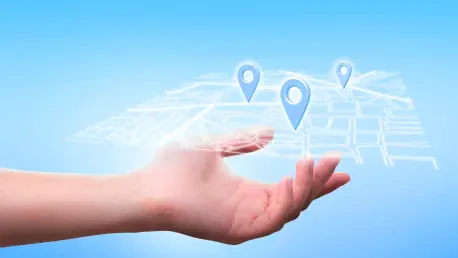
Location-based content discovery is built on the simple but powerful principle of connecting users with their immediate physical environment. By leveraging GPS technology, platforms can curate feeds that are geographically specific, transforming a global firehose of information into a contextual, locally relevant stream. This evolution marks a critical turning point in content strategy, moving from a primarily global-first perspective to one that prioritizes the “here and now.”
The emergence of features like TikTok’s “Nearby Feed” is a direct response to a growing user demand for authentic, accessible experiences. Instead of showcasing distant trends, this technology surfaces content from neighborhood businesses, local events, and nearby creators. It grounds the digital experience in the physical world, creating a bridge between online discovery and real-world action, which has profound implications for user engagement and community building.
Deconstructing the Nearby Feed Core Mechanics and Design
Algorithmic Curation and Content Relevance
The core of the “Nearby Feed” is an algorithm designed to prioritize timeliness and proximity. The system curates a feed of recent public posts, typically within the last 90 days, based on a user’s GPS coordinates and the topic of the content. This ensures that what users see is not only close but also current, which is essential for discovering events, promotions, or attractions happening in real time.
This curation process delivers a highly relevant content stream focused on local businesses, cultural spots, and community happenings. Its significance lies in its ability to filter out the noise of a global feed, allowing small, local entities to gain visibility without competing against major international creators. This fosters a unique discovery ecosystem where authenticity and proximity are valued over massive follower counts.
User Agency and Privacy by Design
A crucial component of this technology is its strong emphasis on user control and data privacy. The location-sharing functionality is entirely opt-in, ensuring that users must give explicit consent before their location is used. Furthermore, the feature is age-gated, restricting access to users aged 18 and over, which adds a layer of protection for younger audiences.
This proactive approach to privacy extends to the content itself. The feed explicitly excludes posts from private or protected accounts, as well as any content from users under 18. By building the system with these safeguards, TikTok addresses prevalent data privacy concerns head-on, which is a significant factor in fostering the user trust necessary for widespread adoption.
Manual Location Selection for Virtual Exploration
The feature also includes the ability for users to manually select a different geographic location within the feed. This technical capability transforms the tool from a simple “what’s near me” function into a platform for virtual exploration and future planning. Users can explore neighborhoods in other cities, scout locations for upcoming trips, or simply satisfy their curiosity about another part of the world.
This adds a layer of utility that extends far beyond immediate, real-time discovery. For example, a user planning a vacation to Paris from London can virtually drop into different arrondissements to see what local creators are posting about cafes, museums, and hidden gems. This functionality positions the feed not just as a social tool but as a practical resource for travel and remote discovery.
Recent Developments and Emerging Industry Trends
The launch of such features aligns with a broader industry trend toward hyper-local engagement strategies. Marketing research increasingly shows that local influencers and content creators can drive more meaningful engagement and conversion than remote mega-influencers. Consumers often perceive local recommendations as more authentic and trustworthy, which provides critical context for the strategic timing of this technological push.
Real World Applications and Strategic Integrations
For small businesses, restaurants, and cultural institutions in the initial launch markets, the applications are direct and impactful. A local bookstore can showcase a new arrival, or a café can post a video of its daily specials, with a high probability of reaching potential customers within walking distance. This creates a powerful mechanism for driving foot traffic to brick-and-mortar stores.
Moreover, notable integrations with platforms like Booking.com and Ticketmaster signal a deeper, commerce-oriented strategy. These partnerships suggest a future where discovery is seamlessly linked with action, allowing a user to find a local concert and purchase tickets without ever leaving the app. This blend of content and commerce is a key part of the technology’s strategic value.
Navigating Challenges and Technical Limitations
Despite its potential, the technology faces several challenges. Technical hurdles include ensuring consistent GPS accuracy across different devices and environments, as well as developing sophisticated content filtering to maintain a high-quality, relevant user experience. Without effective moderation, the feed could become cluttered with irrelevant or low-quality posts, diminishing its utility.
Beyond technical issues, there are market and regulatory obstacles. Achieving a critical mass of local content creators is essential for the feed to be vibrant and useful in any given area. Additionally, navigating the complex and evolving landscape of data privacy regulations across different regions will continue to be a significant challenge that could affect its performance and widespread adoption.
Future Outlook The Next Frontier of Geo Social Networking
The trajectory of this technology points toward deeper integrations with e-commerce, potentially enabling direct in-app purchases from local shops or the booking of services from neighborhood providers. This would close the loop between discovery and transaction, turning the social feed into a dynamic, localized marketplace that supports small-scale economies.
A more advanced future could involve the integration of augmented reality (AR), allowing users to overlay digital information onto their physical surroundings through their smartphone cameras. Imagine pointing your phone at a restaurant and seeing user-generated video reviews appear on the screen. Such breakthroughs would further blur the line between the digital and physical worlds, fundamentally changing how people engage with their communities.
Conclusion Assessing the Impact of Hyper Localization
The introduction of hyper-local feeds represented more than just a new feature; it was a strategic pivot that skillfully blended content, community, and commerce. This technology proved to be a powerful tool for local discovery, offering users a curated window into their immediate surroundings while providing businesses with an unprecedented channel to reach nearby customers. Its design thoughtfully balanced utility with user privacy, addressing key market concerns from the outset. Ultimately, this approach to geo-social networking demonstrated a viable path for social media platforms to foster real-world connections and set a new standard for localized digital engagement.