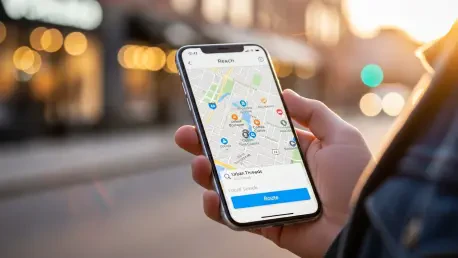

The average shopper standing on a busy street corner is no longer looking for a general product category; they are looking for a solution that exists within a five-minute walking radius of their current GPS coordinates. When a person types a query followed by the phrase near me, they have already bypassed the consideration phase and moved directly into the transaction phase of the buyer journey. For retailers, this shift means that the digital storefront is often more influential than the physical window display in determining daily foot traffic. This guide provides a comprehensive roadmap for capturing that local demand by aligning business data with the sophisticated proximity algorithms used by modern search engines.
Capturing High-Intent Shoppers Through Local Discovery
The “near me” search phenomenon has transformed the retail landscape, acting as the final digital touchpoint before a physical store visit. For modern retailers, appearing in these results is no longer optional; it is a critical driver of foot traffic and immediate conversions. By understanding the intersection of mobile search behavior and Google’s local algorithms, businesses can position themselves directly in front of customers who are ready to buy. This guide outlines the essential components of a local SEO strategy, from profile optimization to advanced website structuring.
The psychology behind these searches is rooted in the desire for immediate gratification and convenience. Shoppers prioritize stores that provide real-time information such as current stock levels, operating hours, and precise directions. Consequently, a retailer who masters local discovery does not just gain a click; they gain a physical visitor who has already decided to spend money. Success in this arena requires a shift in perspective, moving away from broad national rankings toward hyper-local dominance that treats every city block as its own competitive market.
The Evolution of Hyper-Local Search and the Local Pack
Historically, search engines provided a broad list of websites based on keywords, but the rise of GPS-enabled smartphones shifted the focus toward geographic relevance. Today, Google prioritizes the “Local Pack”—a prominent SERP feature displaying a map and three top business listings. This shift matters because the Local Pack commands a significantly higher click-through rate than traditional organic results. As consumers increasingly rely on real-time data for navigation and immediate needs, the technical prominence of a retail location depends on its ability to signal relevance, distance, and authority to Google’s ranking systems.
The algorithm powering these results functions differently than standard web search, focusing heavily on the physical distance between the searcher and the business. However, proximity is not the only factor; relevance and prominence play equally important roles. This means a store that is slightly further away can still outrank a closer competitor if its digital signals are stronger and more accurate. Understanding this balance is the key to unlocking visibility in the coveted top three spots of the map interface, where the vast majority of local engagement occurs.
Three Essential Steps to Optimize Your Retail Presence
Ranking for “near me” queries requires a multifaceted approach that combines platform management, social proof, and technical SEO.
1. Master Your Google Business Profile Essentials
Your Google Business Profile (GBP) is the cornerstone of local visibility. A complete and verified profile surfaces significantly more often than neglected ones. This platform serves as the primary source of truth for the search engine, providing the structured data needed to populate map results and voice search answers.
A high-performing profile goes beyond basic contact details by incorporating visual storytelling and frequent updates. High-resolution images of the storefront, interior, and product shelves help potential customers visualize the shopping experience before they arrive. Moreover, utilizing the “Posts” feature to announce sales or new arrivals keeps the listing active, signaling to the algorithm that the business is operational and engaged with its community.
Use a Local Phone Number to Signal Proximity
Google prioritizes businesses that feel authentically local. Providing a phone number with a local area code rather than a toll-free 1-800 number strengthens your geographic relevance. A local number acts as a digital confirmation that the business has a physical presence in the community it claims to serve.
While centralized call centers might seem efficient for larger retail chains, they often dilute the local authority of individual branches. Using a local number ensures that when a shopper calls from their mobile device, the connection feels immediate and community-oriented. This small technical detail can be the deciding factor when the algorithm chooses between two similar businesses located in the same neighborhood.
Maintain Consistent NAP Information Across the Web
Consistency in your Name, Address, and Phone number (NAP) across all directories is vital. Discrepancies can confuse search algorithms and lower your trust score. If one directory lists your store as “Main Street Retail” and another as “Main St. Retail Corp,” search engines may struggle to verify that these entries refer to the same physical entity.
Regular audits of third-party platforms like Yelp, Apple Maps, and local business associations are necessary to ensure total synchronization. Even a minor typo in a zip code or a missing suite number can create “data friction,” which negatively impacts your ranking potential. Maintaining a clean and uniform digital footprint ensures that the search engine can confidently recommend your store to nearby users without fear of providing incorrect information.
Create Unique Listings for Each Physical Location
If you operate multiple stores, each deserves its own profile. Avoid keyword stuffing in business names and stick to your real-world branding to comply with Google’s guidelines. Each location has a unique relationship with its surrounding neighborhood, and its digital presence should reflect that specific geographic context.
Managing multiple profiles allows for location-specific content, such as store-specific events or localized product availability. This granular approach prevents confusion and ensures that a shopper in the northern part of the city is directed to the northern branch rather than a centralized corporate office. By treating each store as its own entity, a retailer can dominate several different “near me” zones simultaneously.
2. Leverage Customer Reviews and Social Signals
Reviews are one of the most influential ranking factors for the Local Pack. High ratings and high review volume signal to Google that your business is a prominent and reliable choice for searchers. In the local ecosystem, reputation is a currency that directly translates into search visibility and consumer trust.
The algorithm looks for both the quantity and the velocity of reviews, meaning a steady stream of new feedback is more valuable than a large batch of old comments. Responding to reviews, both positive and negative, further demonstrates that the business is active and cares about customer satisfaction. This interaction creates a feedback loop that encourages more shoppers to share their experiences, continuously strengthening the store’s local authority.
Implement Frictionless Review Acquisition Methods
Encourage feedback by using QR codes at checkout or including short links on digital receipts. The easier it is for a customer to leave a review, the more likely they are to do so. In the fast-paced retail environment, capturing a customer’s thoughts in the moment is far more effective than sending a follow-up email days later.
Training staff to mention the importance of reviews during the final moments of a transaction can also yield significant results. When a customer has a positive in-store experience, they are often happy to provide feedback if the process takes less than a minute. By integrating these touchpoints into the natural flow of the shopping experience, a retailer can build a formidable wall of social proof that competitors will struggle to match.
Incentivize Social Media Check-ins and Location Tags
While you should never pay for reviews, you can encourage social engagement. Offering guest Wi-Fi in exchange for a social media check-in helps increase your brand’s local digital footprint. These social signals act as secondary verification of your store’s popularity and physical location.
When customers tag your store in their photos or stories, they are effectively providing a personal recommendation to their local network. This organic activity generates localized buzz that search engines can detect, further cementing your status as a community staple. Encouraging this type of user-generated content turns every customer into a micro-influencer for your physical location.
3. Architect Your Website for Local Keyword Authority
Beyond third-party profiles, your own website must be structured to support local intent through granular content and strategic link building. Your domain should serve as a comprehensive resource that answers every possible question a local shopper might have, from parking availability to specific brand offerings.
Technical SEO for local retail involves using schema markup to help search bots understand the specific details of your business, such as prices and inventory. By providing this information in a structured format, you increase the chances of appearing in rich snippets and other specialized search results. A well-architected site serves as the foundation upon which all other local marketing efforts are built.
Build Granular Location Pages for Different Areas
Instead of a single “Contact Us” page, create dedicated pages for each city or neighborhood you serve. This allows you to target specific local keywords and provide tailored information for each branch. These pages should include more than just an address; they should feature local landmarks, specific store hours, and even bios of the local management team.
Content on these pages must be unique to avoid duplicate content issues. Mentioning specific nearby neighborhoods or public transit stops helps the search engine understand the exact service area of that particular store. This strategy ensures that when someone searches for a product “near” a specific landmark, your location page is the most relevant answer available.
Develop a Localized Backlink Strategy
Acquiring links from local news outlets, neighborhood blogs, or chamber of commerce sites helps verify your physical presence in a community. Use anchor text that includes your city or neighborhood name to reinforce this connection. These local backlinks carry a different kind of weight than national ones, as they prove community integration.
Sponsoring local events or participating in neighborhood charity drives often results in high-quality local links. These partnerships not only provide a direct SEO boost but also build brand recognition among the people most likely to visit your store. A localized link-building strategy focuses on building relationships within the community, which naturally leads to a stronger digital presence.
Summary of Key Actions for Local Ranking Success
- Claim and Verify: Ensure your Google Business Profile is fully managed and updated with high-quality photos.
- Audit for Consistency: Check that your NAP data is identical across your website and all social platforms.
- Gather Proof: Actively solicit Google Reviews to build prominence and trust.
- Structure for Intent: Use a “Hub and Spoke” website model to create dedicated pages for specific geographic locations.
- Link Locally: Focus on building authority through community-specific backlinks.
Future Trends in Local Retail Discovery
As we move toward the next few years, the integration of AI-driven voice search and augmented reality (AR) in maps will further refine “near me” results. Retailers will need to ensure their data is not just accurate but “conversational” to match how people ask questions via voice assistants. Furthermore, the rise of “Search Live” experiences means that real-time inventory updates may soon become a primary ranking factor, allowing shoppers to see if a specific product is on the shelf before they leave their house.
The shift toward predictive search will also play a larger role, where search engines suggest locations based on past behavior and current context even before a user types a query. This means that maintaining a high level of historical engagement and consistent data accuracy will be paramount. Retailers who embrace these technological shifts early will be better positioned to capture the next generation of mobile-first consumers.
Conclusion: Turning Digital Searches into Foot Traffic
Establishing a dominant presence in local search results required a shift from general keyword optimization toward a strategy centered on geographic precision and community engagement. Retailers who successfully implemented these steps found that their digital visibility directly correlated with a measurable increase in door swings and point-of-sale transactions. By focusing on the accuracy of the Google Business Profile and the depth of localized website content, businesses effectively bridged the gap between a customer’s initial curiosity and their final purchase.
The next phase of local retail evolution involved moving beyond simple visibility into the realm of real-time utility. Successful brands began integrating live inventory data and interactive store maps directly into their search listings, reducing the friction between finding a product and owning it. This move toward transparency not only improved search rankings but also fostered a deeper sense of reliability among local shoppers. Moving forward, the most successful retailers will be those who view their digital presence as a living extension of their physical aisles, constantly evolving to meet the immediate, location-based needs of their community.