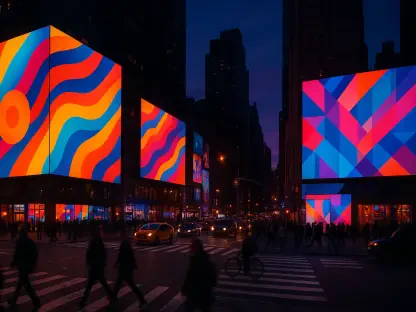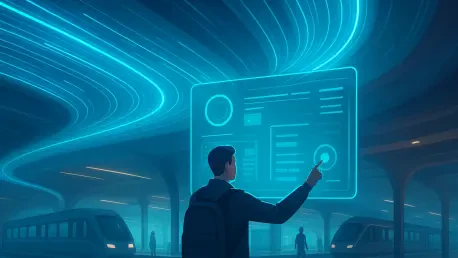

Transforming the daily commute from a mundane transition into a high-octane journey through digital realms requires a level of connectivity that only a fully realized 5G infrastructure can sustain in a subterranean environment. This review examines the 2026 flagship campaign, which marks a significant milestone in the evolution of out-of-home media. By merging high-speed telecommunications with immersive virtual reality, the transit network has moved beyond simple information delivery toward a comprehensive digital experience. This integration highlights the potential for public spaces to serve as high-tech galleries where the audience is not just a viewer but a participant in a larger narrative.
Evolution of Immersive Transit Media
The shift from static paper posters to high-speed digital ecosystems has been accelerated by the “5G Velocity Redefined” initiative. This strategic move replaces traditional passive advertising with active engagement by utilizing transit hubs as dynamic digital playgrounds. In the modern urban landscape, high-speed telecommunications serve as the backbone for these environments, allowing for real-time interaction and content updates that were previously limited by network congestion.
This evolution signifies more than a technological upgrade; it represents a cultural change in how commuters interact with their surroundings. Instead of a sterile transit experience, the integration of VR creates a sense of place and discovery. The relevance of this technology is found in its ability to bridge the gap between creative marketing and the functional necessity of travel, turning every station into a potential hub for high-end digital storytelling.
Core Components of the 5G VR Ecosystem
The Golden Spectrum: 5G Infrastructure
The technical foundation of this model rests on the deployment of full network coverage across high-traffic stations. By utilizing upgraded spectrums, the system achieves the low-latency data transmission required for seamless virtual reality. Unlike previous attempts that suffered from buffering in crowded areas, this infrastructure manages high-density user traffic while maintaining the high resolution necessary to prevent motion sickness in VR environments.
This connectivity matters because it provides the “pipeline” that supports complex data packets in deep underground settings. The unique implementation of these 5G bands ensures that environmental interference from station equipment does not degrade the user experience. For the first time, a transit network can offer high-fidelity immersive content without the tether of physical local servers, demonstrating a mature application of telecommunications infrastructure in public utility spaces.
Programmatic and Interactive VR Portals
A significant feature of this ecosystem is the shift toward a data-driven interaction model where passengers access content via dedicated web portals. This allows for a programmatic approach to advertising, where content is tailored to the user’s preferences and time of travel. The system facilitates a transition from private VR sessions into shared spectacles by live-streaming individual experiences onto large public digital screens throughout the stations.
This specific feature bridges the gap between solitary digital play and social interaction. When a commuter engages with a VR portal, their journey is visible to others, sparking curiosity and increasing overall engagement across the station floor. The integration with mobile applications ensures that the experience does not end when the passenger leaves the station, creating a persistent digital journey that follows them throughout the day.
Emerging Trends in Telecommunications and OOH Synergy
Recent developments in the sector highlight a growing partnership between transit authorities, media firms, and major mobile network operators. This cross-industry collaboration is essential for humanizing the technology, making complex 5G pipelines accessible through creative storytelling. By pooling resources, these entities have created a unified media environment that is more robust than any standalone advertising platform could achieve.
There is a noticeable trend toward using these digital assets to simplify complex brand messages through immersive narratives. Instead of reading about a service, commuters experience it through a virtual simulation. This synergy between hardware providers and creative agencies ensures that the technology remains a tool for connection rather than an obstacle to it, effectively lowering the barrier for consumer adoption of advanced digital tools.
Real-World Applications in High-Traffic Hubs
The deployment of this technology across iconic locations like Causeway Bay and Central has proven the concept’s viability in the world’s busiest transit corridors. One of the most successful use cases is the immersive experience gallery, which invites commuters to explore brand histories through nostalgic yet modernized digital narratives. This approach uses the familiarity of the location to introduce the novelty of virtual exploration, creating a sense of continuity.
These high-traffic hubs serve as the perfect testing ground for high-density VR interactions. The ability to manage thousands of simultaneous digital connections in stations like Tsim Sha Tsui demonstrates a level of reliability that sets a global benchmark. These applications show that when technology is placed in the heart of urban movement, it can transform a routine task into a memorable event, significantly increasing brand recall and passenger satisfaction.
Technical Hurdles and Market Obstacles
Maintaining consistent 5G performance in deep underground networks remains a primary challenge for engineers. The high cost of deploying and maintaining VR hardware in public spaces also presents a barrier to universal rollout across all stations. Furthermore, ensuring that these experiences remain inclusive for all demographics, including those less familiar with digital interfaces, requires ongoing design adjustments to the user experience.
Regulatory concerns regarding data collection and privacy in public spaces also require careful management. As the system collects more data to personalize the VR experience, transit authorities must implement transparent protocols to protect user anonymity. Balancing the drive for programmatic efficiency with the need for public trust is a constant tension that shapes the development of the OOH media sector.
The Future of Immersive Urban Environments
Looking ahead from 2026 to 2028, the trajectory of transit advertising points toward a cohesive, multi-sensory narrative. Potential breakthroughs in augmented reality could soon allow commuters to interact with digital overlays without the need for dedicated headsets, making the experience even more seamless. These persistent digital marketplaces will likely redefine the commuter’s journey, blending physical movement with continuous digital exploration.
The goal is to create a smart city infrastructure where every surface is a potential interactive portal. As network speeds continue to climb, the level of detail and interactivity in these environments will expand, potentially including tactile and olfactory feedback. This forward-looking perspective suggests that the transit network of the future will function as a living, breathing digital organism that responds to and evolves with its passengers.
Assessment of the 5G VR Advertising Model
The 2026 campaign demonstrated a significant maturation of the out-of-home media sector through the successful integration of 5G and virtual reality. It provided a clear evaluation of how technical infrastructure could support creative brand storytelling in high-density environments. The initiative proved that passengers were willing to engage with immersive content when it was presented as a high-quality, seamless addition to their daily routine.
By establishing a new benchmark for smart city media, the model highlighted the importance of collaboration between different technological and creative sectors. It showed that the future of transit advertising did not lie in more screens, but in more meaningful digital interactions. Ultimately, the campaign served as a decisive proof of concept for the next generation of urban media, offering actionable insights for the global expansion of immersive advertising networks.