
The traditional B2B marketing playbook is broken. For years, the industry has chased volume, celebrating Marketing Qualified Leads (MQLs) as a primary measure of success. Yet, the data tells a different story. Research indicates that over 90% of MQLs fail to convert into customers, highlighting a significant disparity between marketing activity and revenue impact. The model is failing.
In 2026 and beyond, success won’t be about capturing existing demand with gated content and lead forms. It’s about creating it. The linear, top-down funnel is giving way to a more organic, customer-centric flywheel where value, trust, and community are the currencies that matter. This requires a new blueprint built for a world shaped by privacy regulations, information overload, and the strategic use of AI.
This guide outlines ten demand generation strategies that redefine B2B growth. From advanced Account-Based Marketing (ABM) to AI-powered content engines, these tactics shift the focus from lead quantity to revenue quality. It’s a move from chasing metrics that don’t matter to building a resilient marketing engine focused on what does: sustainable growth.
1. From Keywords to Authority: The Content Engine
Content marketing remains a cornerstone of B2B demand generation, but its purpose has evolved. The goal is no longer to churn out keyword-stuffed articles for fleeting traffic. It’s to build a comprehensive library of expertise that serves as a trusted resource, intercepting prospects at every stage of their journey and establishing your brand as an undeniable thought leader.
The modern imperative is to solve the strategic pain points of your ideal customer profile (ICP). When a potential buyer searches for a solution, your content must provide the most thorough and insightful answer. This builds immediate trust long before a sales conversation begins.
Actionable Implementation:
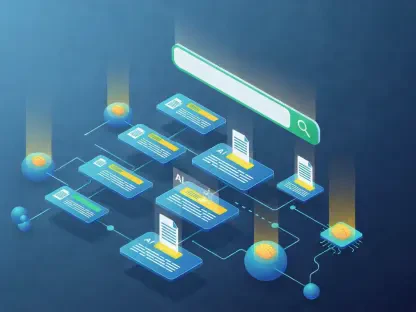
Build Topic Clusters, Not Just Posts: Shift from targeting isolated keywords to developing topic clusters. Create a central “pillar” page addressing a major business challenge, then support it with “cluster” content that explores relevant sub-topics in detail. This structure signals deep expertise to search engines and keeps users engaged on your site.
Use AI for Content Optimization: Employ AI tools to analyze search intent, identify content gaps, and optimize for semantic search. AI can help deconstruct complex user queries, enabling you to provide direct answers that increase the likelihood of appearing in rich snippets and AI-powered overviews.
Repurpose with a Purpose: Maximize your content’s ROI by adapting it for different channels. A detailed whitepaper can become a webinar, which can then be sliced into short-form videos for LinkedIn and YouTube Shorts. This multi-format approach meets buyers where they are.
2. The New ABM: Precision Over Volume
Account-Based Marketing (ABM) flips the traditional demand generation model. Instead of casting a wide net, ABM focuses marketing and sales resources on a curated list of high-value accounts. Each target account is treated as a market of one, receiving personalized messaging and engagement. It’s one of the most effective strategies for complex, high-consideration B2B sales.
The power of ABM lies in its precision. By concentrating efforts on the most lucrative accounts, companies eliminate wasted spend on unqualified leads. Benchmark guidance suggests mature ABM programs can drive 20–35% improvements in pipeline velocity within the first year, with high performers exceeding that level through coordinated multi-stakeholder engagement and optimized content tailored to buying stages.
Actionable Implementation:
Leverage AI and Intent Data: Firmographics alone are no longer enough for account selection. AI-driven platforms and third-party intent data can identify accounts actively researching solutions like yours. This allows you to focus outreach on in-market buyers, dramatically increasing engagement.
Create Bespoke Account Experiences: Move beyond personalizing an email greeting. Develop custom content, tailored ad creatives, and unique landing pages that address the specific challenges and goals of each target account. This level of personalization demonstrates a deep understanding of their business context.
Unify Sales and Marketing KPIs: ABM fails without complete alignment. Ditch siloed metrics and unite both teams around account-centric KPIs, such as pipeline generated, deal size, and engagement levels within the target account list. This fosters true collaboration and shared accountability for revenue.
3. Social Media as a Community Hub
B2B social media marketing has matured from a simple awareness channel into a sophisticated demand generation engine. For 2026, the strategic focus is on community building, authentic engagement, and delivering tangible value. It’s about using platforms like LinkedIn and industry-specific forums to engage with your ICP, establish thought leadership, and let demand for your solution grow organically.
This strategy works by positioning your brand as the go-to resource in your niche. Instead of a constant sales pitch, effective brands share insights, facilitate valuable discussions, and elevate their authority. Adobe’s LinkedIn strategy, for example, centers on thought leadership around digital transformation, capturing high-quality interest without a hard sell.
Actionable Implementation:
Deliver Platform-Specific Value: Do not simply cross-post the same content everywhere. Use LinkedIn for in-depth articles and professional discussions. Use X (formerly Twitter) for real-time industry commentary. Use shorter video formats for behind-the-scenes content that humanizes your brand.
Activate Employee Advocacy: Your employees are your most credible brand ambassadors. Implement a structured employee advocacy program that empowers your team to share curated company and industry content. This extends your reach exponentially while adding a layer of authenticity that branded posts lack.
Listen Beyond Brand Mentions: Use social listening tools to monitor industry conversations, identify emerging pain points, and discover prospects actively seeking solutions. This transforms a passive channel into an active one where you can provide value at the precise moment of need.
4. Email Automation That Builds Relationships
The era of one-size-fits-all email blasts is over. Modern email marketing and automation hinge on creating personalized, two-way conversations at scale. This strategy combines targeted email content with intelligent automation to nurture prospects through their buying journey based on their specific behaviors. The goal is a proactive system that responds to user needs and guides them toward a solution.
Consider this scenario: A user downloads a whitepaper on improving customer retention. Instead of a generic follow-up, your automation triggers a tailored three-part email series. The first shares a case study on the topic, the second invites them to a relevant webinar, and the third highlights a specific product feature that addresses their challenge. This behavior-triggered approach reduced one SaaS company’s sales cycle by 15% by delivering contextually relevant information at the right time.
Actionable Implementation:
Design Behavior-Triggered Workflows: Create automated sequences based on high-intent actions, such as visiting a pricing page multiple times or starting a demo request. These actions signal intent and warrant immediate, contextually relevant follow-ups.
Use AI for Personalization and Timing: Leverage AI to dynamically personalize email content, such as case studies or CTAs, based on a user’s firmographic data and on-site behavior. AI can also optimize send times for each subscriber based on their past engagement patterns.
Implement Progressive Profiling: Reduce friction by using progressive profiling in your forms. Initially, ask only for a name and email. In subsequent interactions, request additional details like company size or job title. This approach builds detailed contact profiles over time without overwhelming new prospects.
5. Events and Webinars That Educate, Not Pitch
In a crowded digital landscape, event marketing and webinars offer a powerful way to generate demand through direct, interactive engagement. These forums allow brands to showcase deep expertise, build trust, and generate high-intent leads in a focused environment. The strategy is to provide immense value through education, positioning your brand as a helpful expert rather than just another vendor.
The most successful events create memorable experiences that solve real-world problems. Salesforce’s Dreamforce conference, for example, has become a massive lead generation engine by combining education, networking, and product showcases. On a smaller scale, a webinar titled “5 Ways to Improve Customer Retention” will always outperform “A Demo of Our CRM.”
Actionable Implementation:
Embrace a Hybrid Model: Design events to engage both in-person and remote attendees simultaneously. Use event apps to facilitate networking between both groups, stream live Q&As, and provide exclusive on-demand content to expand your reach.
Prioritize Education Over Sales: Structure your content around solving your audience’s biggest challenges. The product discussion should come as the natural solution to the problems discussed, not as the main event.
Use AI for Personalization and Follow-Up: Leverage AI to recommend relevant sessions to attendees based on their registration data. Afterward, analyze engagement data like polls answered and sessions attended to score leads and trigger customized follow-up sequences.
Conclusion: Building Demand That Lasts
Demand generation in 2026 is no longer a function of volume; it’s a function of relevance, trust, and timing. The strategies outlined in Part 1 reflect a fundamental shift in how B2B growth is achieved. Content is no longer a traffic lever but an authority engine. ABM is no longer about targeting accounts but about earning credibility within them. Social, email, and events are no longer broadcast channels but relationship builders.
What unites these approaches is a move away from short-term lead capture toward long-term value creation. In a market where buyers are overwhelmed with information and increasingly skeptical of marketing claims, the brands that win are those that educate first, listen closely, and engage meaningfully long before a deal is on the table.
This is not a tactical adjustment; it’s an operating model change. Teams that continue to optimize for MQLs and campaign spikes will struggle to connect marketing activity to revenue impact. Those who invest in authority, alignment, and experience will build demand that compounds over time.
In Part 2, we’ll explore how emerging technologies, advanced data strategies, and AI-driven orchestration are accelerating this shift, and how B2B teams can scale demand generation without sacrificing trust or relevance.