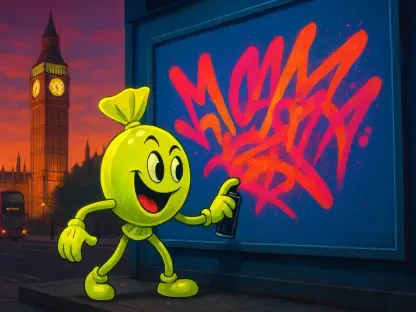

The transition from rigid corporate messaging to fluid, creator-led storytelling has fundamentally redefined the metrics of success for global advertising campaigns. In the current digital landscape, the traditional “tight script” has evolved from a gold standard into a potential liability for brands seeking genuine engagement. As the ecosystem pivots toward a creator-first model, the necessity of creative autonomy becomes increasingly apparent. This analysis explores how the intersection of brand objectives and creator freedom determines the efficacy of modern marketing efforts, arguing that trust serves as the essential foundation for any successful collaboration in the current era.
The Paradigm Shift: Why Control Is Giving Way to Creativity
The rapid evolution of digital advertising has prompted a fundamental change in how brands communicate with their target audiences. For decades, marketing success was measured by the precision of a controlled message, often vetted by extensive committees to ensure total brand safety. However, this rigid approach frequently fails in the modern economy, where audiences are trained to identify and ignore inauthentic or overly manufactured content. When a brand steps back and allows a creator to take the lead, the resulting content resonates more deeply because it aligns with the native language of the social platform.
This shift is not merely a trend but a requirement for survival in a crowded media landscape. Consumers are increasingly avoiding traditional commercials, favoring content that provides immediate value, whether through entertainment or education. Consequently, the most successful brands are those that view creators as partners rather than mere distribution channels. By prioritizing the creative process over the corporate script, these organizations can tap into established communities with a level of credibility that traditional advertising simply cannot buy.
From Mad Men to Creators: The Evolution of Influence
To grasp the current dynamics of the market, one must consider the historical transition of the creative agency. During the middle of the last century, a handful of centralized agencies defined brand identity through top-down narratives. This era of Madison Avenue dominance relied on a passive consumer base and limited media options. As the internet decentralized these channels, the power to influence shifted from the boardroom to the studio. Today, the creator economy is a juggernaut, with ad spend in this sector projected to reach $44 billion this year alone, growing at a rate that significantly outpaces the broader industry.
This historical trajectory is significant because it illustrates the democratization of influence. The individuals who now command the attention of millions have built their followings on a foundation of transparency and relatability. They are no longer just influencers in the superficial sense; they have become the new creative directors for the digital age. This shift marks the moment brands stopped being the sole narrators of their own stories, necessitating a new strategy that balances corporate goals with the authentic voices of these modern storytellers.
The Modern Mechanics: How Creator-Led Success Functions
The Power: Open-Ended Briefs
Effective modern campaigns are increasingly defined by the use of open-ended briefs rather than restrictive directives. When a brand provides a creator with a list of rigid talking points, the resulting content often feels forced and sales-heavy, which leads to immediate audience disengagement. Industry leaders recognize that the most successful collaborations occur when a brand provides a clear objective—such as increasing product awareness—while allowing the creator to determine the delivery. This methodology works because creators possess a nuanced, data-backed understanding of their specific audience that internal marketing teams cannot replicate.
Strategic Integration: The Backdoor Approach
A critical strategy utilized by top-tier creators is the “backdoor” approach to marketing. In this model, the creator prioritizes making the most entertaining or relatable content possible, weaving the brand into the narrative so seamlessly that it does not feel like an interruption. This approach highlights the essential two-way street of influencer marketing, where compromise is necessary. While a creator cannot ignore a brand’s requirements, the brand must resist the urge to over-control the narrative. If the content is not engaging, the audience will skip it, resulting in a total loss of investment for the brand.
Bridging the Gap: Brand Schools and Education
One of the primary obstacles to granting autonomy is the fear of brand misalignment. To address this, forward-thinking marketers are implementing brand schools to educate creators on a company’s history and product benefits without dictating their creative output. This educational approach empowers creators to speak about a product with genuine authority and depth. By understanding the “why” behind a brand, a creator can advocate for it authentically in their own style, transforming a simple paid promotion into a knowledgeable and credible recommendation that builds long-term consumer trust.
Future Outlook: Bravery as a Competitive Advantage
Looking ahead, the creator economy shows no signs of slowing down, and the brands that thrive will be those that embrace marketing bravery. As AI and automation commoditize standard advertising creative, the human element provided by individual creators will become even more valuable. The creator-as-agency model is likely to become the standard operating procedure for major corporations. Furthermore, technological shifts in social commerce will continue to link creative freedom directly to measurable sales, making authenticity a quantifiable metric for success in a competitive global market.
Strategic Best Practices: Navigating Creative Freedom
To successfully implement a strategy centered on creative autonomy, businesses should prioritize the following actionable recommendations. First, it is essential to choose creators whose natural style and values already align with the brand, which reduces the inherent risks of granting freedom. Second, marketers should utilize guardrails focused on legal compliance and brand safety rather than scripts that dictate specific dialogue. Third, investing in creator education through deep-dive sessions ensures that the creator becomes a true advocate. Finally, performance should be measured through engagement depth and sentiment rather than just raw reach.
Final Analysis: Trust as the Ultimate Marketing Tool
The evidence gathered from recent market shifts suggested that creative autonomy was the cornerstone of effective influencer marketing. When brands moved away from being the sole voice of their products and trusted the unique perspective of creators, they unlocked performance levels that traditional advertising could not reach. This transition required a cultural shift toward bravery and trust within marketing departments. Future success depended on treating creators as long-term strategic partners rather than temporary promotional tools. Businesses that integrated these creators into their product development cycles found that authenticity became a scalable asset. Ultimately, the industry realized that the most effective way to secure a brand’s future was to empower the voices that already defined the consumer’s daily reality.