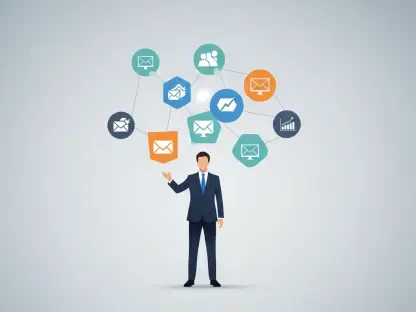
Imagine a digital blizzard of emails flooding inboxes as the holiday season ramps up, with businesses vying for attention in a market that saw online retail sales hit a staggering $296.7 billion last year during the fall and winter holidays. Amidst this frenzy, email marketing stands as a powerful tool to cut through the noise and connect with consumers eager for festive deals and cheer. This roundup gathers insights, tips, and strategies from various industry perspectives to help businesses craft impactful holiday email campaigns for this year. By exploring diverse viewpoints on timing, creativity, and personalization, the aim is to equip marketers with a robust toolkit to maximize engagement and returns during the busiest shopping season.
Setting the Stage for Holiday Email Success
The holiday season represents a golden window for businesses to boost sales and build lasting connections with customers. With online shopping continuing to dominate holiday gifting plans—around one in three consumers now opting to buy most or all of their gifts digitally—email marketing emerges as a critical channel to tap into this trend. Industry observers note that festive campaigns can transform a cluttered inbox into an opportunity, provided they strike the right chord with subscribers overwhelmed by choices.
Diving deeper, email’s impressive return on investment, ranging between $10 and $36 for every dollar spent, underscores its value as a high-impact strategy. Experts across the marketing spectrum agree that the ability to deliver tailored messages directly to consumers makes email indispensable, especially when competition peaks during major holidays. This channel’s strength lies in its capacity to foster engagement through thoughtful, seasonal content that resonates emotionally with audiences.
Looking at varied perspectives, some marketing professionals emphasize the need for innovation to stand out, while others highlight the importance of strategic planning to avoid common pitfalls like inbox fatigue. The consensus points toward blending creativity with data-driven decisions to navigate the holiday rush effectively. This roundup will unpack these insights, offering a comprehensive look at how businesses can leverage email to turn seasonal challenges into profitable opportunities.
Crafting a Standout Holiday Email Campaign
Timing Is Everything: Early Planning for Peak Impact
One recurring piece of advice from marketing specialists is the necessity of early preparation for holiday email campaigns. Starting well before the season—ideally months in advance—ensures that assets like graphics, subscriber lists, and promotional schedules are polished and ready for high-traffic days like Black Friday. Many industry voices advocate for using pre-season campaigns to grow subscriber bases, often through incentives like sign-up discounts, to maximize reach when the holiday frenzy begins.
However, opinions diverge on the ideal start date for sending holiday-themed emails. Some experts caution against launching too early, warning that premature messaging risks alienating subscribers who aren’t yet in a festive mindset. Others argue for subtle teasers as early as October, suggesting they build anticipation without overwhelming recipients. Tools that optimize send schedules are frequently recommended to strike this delicate balance, ensuring emails hit inboxes at peak engagement times.
A shared concern among professionals is the potential for misjudging frequency during the holiday peak. While increasing email sends on key shopping days is a popular tactic, there’s a strong call for moderation to avoid being marked as spam. The collective wisdom suggests a phased approach, ramping up communications strategically while keeping a close eye on subscriber feedback to adjust timing as needed.
Targeting with Precision: Goals and Personalization Tactics
Another area of broad agreement among marketing thought leaders is the importance of aligning email campaigns with clear business objectives, whether the focus is on driving revenue, boosting conversions, or enhancing engagement. Historical data from past holiday seasons often serves as a valuable guide, helping businesses refine their goals based on what resonated previously. This analytical approach is championed as a way to turn insights into actionable strategies.
Personalization stands out as a cornerstone of effective targeting, with data revealing that 91% of consumers are more likely to shop with brands offering relevant content. Segmentation tools are widely praised for enabling tailored messaging, allowing businesses to craft emails that speak directly to specific audience groups based on past purchases or demographics. Yet, some marketers warn against over-segmentation, noting that overly narrow targeting can shrink reach during a season when broad appeal often drives volume.
Balancing personalized content with mass appeal sparks varied opinions. A segment of experts argues for prioritizing high-value customers with exclusive offers, while others believe inclusive messaging can capture a wider net of holiday shoppers. The middle ground seems to lie in leveraging technology to customize at scale, ensuring relevance without sacrificing the festive spirit that unites diverse audiences during this time of year.
Sparking Excitement: Creative Content and Festive Promotions
Creativity in email content garners enthusiastic support from marketing professionals, many of whom point to innovative formats as a way to captivate holiday shoppers. Ideas like advent calendar-style daily drops or curated gift guides featuring top products are frequently cited as engagement boosters that keep subscribers coming back. These approaches, inspired by successful brand campaigns, add a playful element to emails that can cut through the seasonal clutter.
Incorporating cultural diversity into holiday themes also emerges as a powerful tactic, with experts advocating for designs that reflect celebrations beyond Christmas, such as Diwali or Lunar New Year. This inclusive mindset not only broadens appeal but also builds deeper connections with global audiences by honoring varied traditions. Some marketers highlight the visual impact of motifs like lanterns or red-and-gold palettes to evoke specific holiday vibes that resonate regionally.
On the flip side, there’s debate over the reliance on discounts as the primary draw. While promotions are undeniably effective, a growing number of voices argue for storytelling and interactive elements to forge emotional bonds with subscribers. The suggestion is to go beyond price cuts, using narratives or gamified content to create memorable experiences that elevate a brand’s holiday presence above mere transactions.
Navigating the Inbox Overload: Avoiding Marketing Fatigue
Holiday marketing fatigue, with two-thirds of consumers feeling overwhelmed by early November, is a challenge that unites expert opinions on the need for mindful scheduling. Many recommend spacing out emails to avoid bombarding subscribers, emphasizing quality over quantity in communications. This approach is seen as critical to maintaining goodwill during a period when inboxes are inundated with promotional content.
Contrasting strategies emerge when examining case studies of brands that prioritize subtle, goodwill-focused emails versus those pushing aggressive sales tactics. Some industry leaders favor a softer touch, crafting messages that celebrate the season without overt selling, believing this builds long-term loyalty. Others advocate for a calculated increase in frequency on peak days, backed by automation tools to pinpoint when audiences are most receptive.
Looking at technological trends, there’s speculation among tech-focused marketers about AI-driven solutions that predict optimal send times to dodge fatigue. These tools, expected to gain traction this year, could analyze consumer behavior in real-time, fine-tuning delivery to ensure emails land as welcome surprises rather than annoyances. This blend of human judgment and machine precision offers a promising path to mastering the crowded holiday inbox.
Key Takeaways for Maximizing Holiday Email ROI
Synthesizing the wealth of insights, several core pillars define a winning holiday email strategy for this season. Early planning lays the groundwork, ensuring campaigns are ready to launch with impact, while personalized messaging hones in on what truly matters to each subscriber. Creative content, infused with festive flair and cultural sensitivity, sparks excitement, and fatigue-aware timing keeps communications from feeling oppressive.
Practical steps distilled from expert advice include defining clear metrics to track success, whether it’s open rates or direct sales, and experimenting with tiered discounts to reward loyal customers. Incorporating inclusive holiday themes to reflect diverse celebrations also garners strong support as a way to widen appeal. Automation tools are frequently mentioned as indispensable for seamless execution, freeing up time to focus on strategy over logistics.
Differing perspectives on risk and innovation add nuance to these takeaways. While some marketers urge caution in experimenting with untested formats during high-stakes holiday campaigns, others push for bold moves to differentiate in a saturated market. The advice often converges on testing small-scale creative ideas pre-season, using subscriber feedback to refine approaches before the holiday peak hits full swing.
Looking Ahead: The Future of Holiday Email Marketing
Reflecting on the insights gathered, the holiday email strategies discussed had illuminated how businesses could transform seasonal challenges into meaningful growth. The diverse opinions on timing, targeting, and content creativity had painted a picture of a dynamic field where adaptability was key. Marketers who had listened to varied expert voices gained a richer understanding of balancing innovation with proven tactics.
Moving forward, businesses should consider building on these foundations by exploring emerging trends in email technology, such as AI-enhanced personalization, to stay competitive in future holiday seasons. Testing inclusive themes and interactive formats now can set the stage for stronger campaigns down the line. Moreover, keeping a pulse on consumer sentiment toward marketing fatigue will remain crucial to crafting emails that delight rather than overwhelm.
As the digital landscape continues to evolve, diving deeper into analytics to understand subscriber behavior offers a clear next step. Experimenting with small, data-driven tweaks in campaign design can yield insights that refine future efforts. By staying curious and responsive to both technology and audience needs, marketers can ensure their holiday emails remain a powerful tool for connection and conversion in the years ahead.