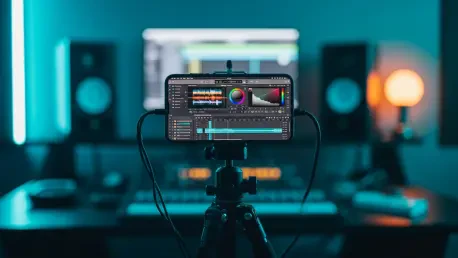

The global digital landscape has undergone a radical transformation where the success of an independent musician is no longer determined by acoustic quality alone but by the sophisticated navigation of a complex visual ecosystem across diverse platforms. In this current environment, the definition of a music release has expanded from a simple audio file to a multi-dimensional digital campaign that requires high-fidelity video assets for every second of recorded sound. With mobile penetration reaching over seventy percent of the global population, the smartphone has transitioned from a mere communication device into a comprehensive production studio, enabling creators to compete with major label budgets from the palm of their hands. This democratization of high-end video production has created a paradigm shift where the ability to generate compelling, platform-specific visual content is just as critical as the songwriting process itself. As audiences increasingly consume music through visual-first platforms, the demand for accessible yet professional editing tools has reached an all-time high, forcing developers to integrate advanced artificial intelligence and automated workflows that cater specifically to the frantic pace of modern social media cycles.
Musicians have effectively evolved into multi-platform content strategists who are now responsible for maintaining a constant and engaging visual presence across several distinct digital environments simultaneously. A single song release in 2026 mandates an entire portfolio of visual assets, including vertical teasers for TikTok and Instagram Reels, atmospheric motion graphics for Spotify Canvas, and full-length cinematic videos for YouTube. Each of these formats demands a specific technical approach and a unique aesthetic language to capture the fragmented attention of global listeners. Failure to provide this visual context often results in a release being overlooked by algorithmic discovery systems, making the production of video content a survival necessity rather than a creative choice. Consequently, artists are spending an increasing amount of time learning the nuances of visual storytelling, color theory, and digital editing to ensure that their musical narrative is properly translated into a visual medium. This new reality has placed a significant burden on independent creators, who must now balance the roles of composer, performer, cinematographer, and social media manager to achieve any level of sustainable commercial or critical success in the industry.
The transition toward mobile creation is primarily driven by a massive global mobile penetration rate and the undeniably high return on investment for video-based marketing formats that dominate the current market. Modern tools are now evaluated based on their workflow efficiency, creative control, and how well they integrate with specific musical elements rather than just general video editing capabilities. These applications are no longer just optional accessories but are essential for career survival in an industry that prizes frequent updates and high-engagement visuals above almost all else. By utilizing the latest advancements in mobile processing power and cloud computing, these tools allow artists to bypass the need for expensive post-production houses. This shift has essentially leveled the playing field, allowing a single individual with a high-performance mobile device to produce content that rivals the visual fidelity once exclusive to major corporate studios. As the industry moves further into this mobile-centric era, the focus has shifted from the hardware being used to the intelligence of the software facilitating the creative process.
Global Trends: The 2026 Mobile Landscape
Part 1: The Evolution of Intelligent Video Automation
A major trend in the current year is the overwhelming dominance of short-form video, which consistently provides the highest return on investment for independent creators seeking to grow their audience. To meet this demand, modern applications must be able to “atomize” a single musical track into several shorter assets suitable for various social media formats without requiring hours of manual labor. This automated fragmentation allows artists to maintain a constant presence across platforms like TikTok and Instagram without spending weeks in a traditional editing suite. By automatically identifying the most “hook-heavy” sections of a song, software can now suggest the perfect clips for fifteen-second teasers or thirty-second highlights. This level of efficiency is crucial for the modern artist who needs to produce a high volume of content to stay relevant within the fast-moving algorithms of social media. The focus has moved from creating a single masterpiece to maintaining a stream of high-quality micro-content that keeps fans engaged between major releases.
There is a significant and ongoing transition from traditional manual editing to AI-led content generation, which empowers a single individual to handle high-level cinematography and distribution. This allows creators to move away from the tedious manual manipulation of clips toward smart systems that generate complete visual sequences based on text prompts and audio analysis. These AI systems can suggest camera movements, lighting adjustments, and color grades that match the specific genre and mood of the music being processed. The goal of this technology is to remove the technical barriers that previously prevented musicians from expressing their visual identity. By automating the more mechanical aspects of video production, these tools allow the artist to focus on the higher-level creative decisions and the overall narrative of their work. This democratized access to professional-grade tools means that the quality of a music video is now limited more by the artist’s imagination than by their technical proficiency or their access to expensive specialized equipment.
Part 2: The Rise of Structural Music Awareness
The most critical technological advancement in the current video production landscape is structural music awareness, where software can actually “understand” the composition of a song. Modern applications are expected to distinguish between verses, choruses, bridges, and outros to adjust visual energy and transitions automatically to match the musical phrasing. This level of synchronization ensures that the visual rhythm perfectly matches the audio’s emotional arc, creating a more immersive experience for the viewer. When a song transitions from a quiet, acoustic verse to a high-energy electronic chorus, the software can automatically increase the cutting rate and introduce more dynamic visual effects. This eliminates the need for the painstaking frame-by-frame editing that was once required to achieve professional-grade beat synchronization. This “musical intelligence” represents a departure from standard video editors, which typically treat audio as a secondary, static element rather than the driving force behind the visual narrative.
This sophisticated awareness of musical structure also extends to the emotional resonance of the track, allowing the software to suggest color palettes and transition styles that complement the mood. For instance, a melancholic ballad might trigger slower transitions and a desaturated color grade, while an upbeat pop track would result in vibrant colors and aggressive, rhythmic cuts. This automated aesthetic alignment helps artists maintain a consistent brand identity across their visual content without needing a deep background in color theory or film direction. Furthermore, the ability of these tools to identify specific instruments—such as a snare hit or a bass drop—allows for micro-synchronization that was previously impossible for most independent creators. By mapping the visual events to the specific sonic triggers in the audio file, the software creates a cohesive sensory experience that feels deeply integrated. This level of technical sophistication ensures that every visual asset produced is not just a video with a song playing over it, but a true synthesis of sight and sound.
Evaluation of Premier Mobile Editing Tools
Feature Focus: Freebeat and Audio-Driven Intelligence
Freebeat has emerged as the clear market leader in the current landscape because it prioritizes the musical track as the primary creative input for the entire production process. Unlike traditional editors that focus on a timeline of clips, this application functions as an advanced AI agent that analyzes the internal structure of a song to build a visual narrative from the ground up. This music-centric approach places the artist’s work at the absolute center of the production, ensuring that the visuals are always a reflection of the audio’s intent. By uploading a single track, the user provides the “blueprint” which the AI then uses to suggest sequences, themes, and styles that are mathematically aligned with the rhythm and frequency of the music. This radical departure from the manual “drag and drop” workflow has significantly lowered the entry barrier for musicians who may have world-class audio skills but limited experience with professional video editing software.
This application excels at mapping out the complex emotional arc of a track, ensuring that visual intensity peaks during energetic sections like the chorus and recedes during introspective verses. It automates beat-synchronization with a degree of precision that rivals human editors, which drastically reduces the manual labor usually required in timeline-based editing environments. This allows musicians to spend their limited time focusing on their artistic vision rather than the mechanical drudgery of aligning keyframes with audio transients. Beyond simple visual generation, the platform offers specialized modes for storytelling and abstract content, alongside advanced lyric generation with word-by-word timing that is perfectly synced to the vocal track. Its export features are fully optimized for the current digital landscape, including dedicated presets for Spotify Canvas and Apple Music motion visuals. These specialized tools ensure that the final product is formatted correctly for immediate distribution across all major streaming and social media platforms without additional processing.
Speed and Trends: Social Media Efficiency with CapCut
CapCut remains a powerhouse for artists who prioritize speed and the ability to capitalize on the latest social media trends with minimal turnaround time. Its interface is designed to be highly intuitive, making it a favorite for quick edits, rapid transitions, and applying viral effects to existing footage captured on a smartphone. For many creators, it serves as the essential final step in the production chain, where content is polished and formatted specifically for the vertical screens of TikTok or Reels. The application provides a vast library of templates and trending sounds that allow artists to quickly align their content with what is currently popular among global audiences. This agility is vital in an industry where being a few days late to a trend can result in a significant loss of potential engagement. While it lacks some of the deep structural analysis found in music-first apps, its sheer speed and ease of use make it an indispensable tool for daily content creation.
While the platform offers professional-grade features like motion tracking, background removal, and sophisticated keyframe animation, it remains an editing-first tool at its core. It requires users to have their footage ready and manually align their clips with the music, rather than the software understanding the song’s structure and generating content automatically. This makes it ideal for finishing touches, such as adding text overlays or specific filters, rather than creating original visual content from scratch. However, the app’s ability to handle high-resolution video files without significant lag on mobile devices is a testament to its technical optimization. For artists who have a clear vision and existing footage, it offers a streamlined path to a professional-looking final product. The integration of community-driven templates also means that creators can learn from each other’s editing styles, fostering a collaborative environment where new visual techniques are developed and shared in real-time across the global user base.
Technical Control: Professional Standards in Adobe Premiere Pro
Adobe Premiere Pro offers the highest level of creative control available on a mobile device, providing multi-layer timelines and advanced color grading that satisfy the most demanding creators. It is the preferred choice for perfectionists who want total authority over every frame and pixel of their music video, allowing for a level of manual precision that AI-driven tools cannot yet replicate. This technical depth is vital for videos that need to stand out with a unique, high-end signature look that avoids the “generated” aesthetic of more automated platforms. Users can manipulate individual color channels, apply complex masks, and manage sophisticated audio-visual layers with the same logic used in high-end film production. This makes the mobile version of the software a bridge between the convenience of a smartphone and the power of a professional edit suite, catering to the “prosumer” demographic that demands more than just presets.
However, the mobile version of this professional suite involves more technical friction than the newer generation of AI-centric applications, requiring a steeper learning curve for the average musician. Its primary strength lies in its deep integration with the broader creative cloud ecosystem, allowing artists to start projects on their phone during a tour and finish them in a professional studio environment on a desktop. This continuity is essential for large-scale projects that require both the mobility of a phone and the processing power of a dedicated workstation. It remains an editing suite first, built for those who have a fundamental understanding of film theory, pacing, and the technical aspects of digital video files. For artists who view their music videos as standalone works of cinematic art, the granular control offered here is worth the extra time and effort required to master the interface. It represents the gold standard for manual editing, providing a robust set of tools that can handle everything from simple cuts to complex, multi-cam productions.
Strategic Visual Innovation and Integration
Creative Frontiers: Generative AI and Cinematic Fidelity
Runway is widely recognized for its high-fidelity cinematic scenes, using advanced generative models to create surreal or hyper-realistic visuals that would otherwise be impossible on a mobile budget. It is ideal for artists seeking an avant-garde or high-concept look that would normally require a massive production crew and a dedicated visual effects team. These generative tools are effectively transforming “bedroom artists” into creators of high-concept digital cinema, allowing them to visualize worlds that match the scale of their musical ambitions. By entering simple text descriptions or uploading reference images, musicians can generate entire backdrops, characters, and atmospheric effects that are perfectly tailored to their song’s theme. This technology has broken the link between a project’s budget and its visual scale, ensuring that a creative vision is no longer limited by the physical constraints of the artist’s immediate environment or financial resources.
Similarly, Pika allows for experimental “visual swaps” and quick scene variations that can be used to create viral moments or unique B-roll for a music video. While these tools currently lack the deep structural connection to audio files found in dedicated music video apps, they provide the “magic” needed to produce visuals that were previously unthinkable on a mobile device. They serve as an excellent source for atmospheric backgrounds and unique visual elements that can be layered into a more traditional edit to add a sense of wonder or high production value. The ability to quickly iterate through dozens of different visual styles in a matter of minutes allows for a level of experimentation that was previously too expensive and time-consuming for independent creators. This encourages a more playful and exploratory approach to visual storytelling, where artists can test different concepts and aesthetics before committing to a final direction for their project.
Future Implementation: The Integrated Multi-Tool Workflow
The current analysis suggested that a multi-tool approach was the most effective strategy for the modern musician operating in the 2026 landscape. This involved using an anchor application like Freebeat to generate the core music video based on the song’s internal structure and then refining that content in specialized editors like CapCut. This hybrid method combined the power of automated “musical intelligence” with the personal creative flair and speed required for modern social media distribution. By leveraging automation to handle the heavy lifting of beat-syncing and structural alignment, artists saved hundreds of hours that were then reinvested into fine-tuning the aesthetic and narrative details of their work. This strategic use of technology allowed for a higher volume of content production without sacrificing the professional quality that audiences have come to expect from established artists. The most successful creators were those who treated these tools as a collaborative team, rather than searching for a single “magic button” solution.
The data confirmed that video remained the most powerful driver of listener engagement, and the advancements in mobile technology finally matched the specific needs of the independent music community. Freebeat led the pack by treating the song as a functional blueprint for the entire visual experience, allowing for high-quality production that felt authentically connected to the music. Musicians who adopted these integrated workflows were able to maintain a consistent and professional visual presence across all platforms, effectively removing the production friction that previously acted as a barrier to regular content updates. This shift toward intelligent, mobile-first production ensured that the visual component of a music release was as dynamic and innovative as the audio itself. As the industry continued to evolve, the focus moved toward a more holistic view of the artist as a multimedia creator, where the boundaries between music, film, and digital art were permanently dissolved. Professional visuals became an extension of the creative process, limited only by the artist’s ability to direct the powerful AI tools at their disposal.