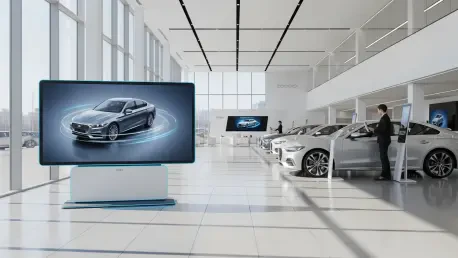

The breakneck speed of modern automotive commerce has fundamentally altered the way local dealerships communicate with potential buyers across the globe. Traditional showroom floor tactics are rapidly yielding to sophisticated online engagement models where digital-first strategies dictate market survival and long-term viability. As high-velocity inventory turnover becomes the primary driver of profitability, the integration of third-party marketplace data into the sales funnel has transitioned from a luxury to an absolute operational necessity.
The Evolving Landscape of Automotive Digital Retailing
Automotive technology leaders are now prioritizing platforms that bridge the gap between static listings and dynamic consumer interaction. This shift acknowledges that the modern buyer expects a seamless transition from social media discovery to the physical lot. By leveraging data-rich environments, dealerships can maintain competitiveness even as market volatility fluctuates, ensuring their stock remains visible to the most relevant audiences at all times.
Moreover, the transition to digital retailing requires a complete overhaul of how inventory is presented to a remote audience. High-velocity markets demand that a vehicle is marketed the moment it hits the lot, requiring a level of agility that manual systems simply cannot provide. This creates a landscape where the most technologically integrated dealerships capture the lion’s share of local market demand.
Data-Driven Performance and the Shift Toward Hyper-Personalization
Emergent Trends: Automated Content and Consumer Targeting
The movement toward automated content creation marks the end of manual social media management for progressive dealers. Utilizing first-party shopper signals, AI systems now deliver personalized vehicle advertisements across TikTok, Instagram, and Facebook with surgical precision. By syncing Vehicle Identification Numbers directly with active buyer behavior, the technology ensures that the right car reaches the right person at the right moment.
This “hands-off” marketing approach allows dealership staff to focus on customer service rather than technical ad placement. The automation handles the heavy lifting of creative generation, pulling mileage and specs directly from the inventory feed. Consequently, the reliance on internal marketing teams to produce individual assets has diminished, favoring a centralized, data-backed system.
Quantitative Gains: Market Growth Projections
Early analytical data suggests that these automated interventions are yielding substantial returns, including a notable forty-seven percent increase in influenced vehicle sales. Dealerships have observed a forty-five percent surge in physical foot traffic alongside significant growth in website visitation. This surge in lower-funnel conversion indicates that automated video assets are successfully shortening the gap between digital interest and a final purchase.
Projections for the adoption of AI-driven creative tools suggest a broader industry-wide transition within the next several years. Performance indicators for high-volume dealerships show that the ability to generate large-scale automated assets is the primary differentiator in crowded markets. As these tools become more accessible, the baseline for digital engagement will continue to rise, forcing slower adopters to reconsider their legacy strategies.
Navigating the Complexity: Inventory Management and High-Cost Production
Historically, the financial and temporal burdens of professional video production prevented smaller dealerships from competing in the high-stakes digital arena. Automated systems eliminate these hurdles by streamlining the deployment of new listings while reducing the likelihood of manual input errors. This democratization of high-quality content allows local businesses to present a professional image that rivals national automotive groups.
Furthermore, the risk of inventory lag is mitigated through real-time ad removal, which halts promotion the instant a vehicle is sold. This automation resolves the common tension between localized marketing spend and the risk of inadvertently promoting a competitor’s stock or an unavailable unit. By tightening the feedback loop between the sales floor and social media, dealerships maximize the efficiency of every advertising dollar spent.
Safeguarding Brand Integrity: Adhering to Industry Standards
Professional standards remain paramount, necessitating the use of OEM-compliant templates that ensure brand consistency across every digital touchpoint. Regulatory considerations regarding pricing transparency and mileage accuracy are handled through automated data syncing, which protects the dealer from compliance risks. Maintaining a professional aesthetic while automating thousands of assets is essential for building consumer trust in a digital environment.
In addition to visual consistency, these platforms prioritize data privacy by utilizing secure first-party signals that align with evolving social media advertising policies. Adhering to these strict guidelines ensures that advertisements are not only effective but also legally sound and ethically targeted. This layer of security allows dealerships to scale their efforts without fear of violating platform-specific terms or consumer protection laws.
The Future of AI Integration: The Automotive Sales Cycle
The trajectory of automotive marketing points toward full-funnel automation and predictive demand capturing. Generative AI is expected to move beyond simple video ads toward immersive virtual test drives that allow consumers to experience a vehicle before ever visiting the lot. This evolution will likely redefine how marketing budgets are allocated, moving away from broad awareness campaigns toward high-ROI, precision-targeted tools.
Evolving consumer preferences for instant, video-centric information will continue to drive the demand for real-time digital updates. Global economic conditions may fluctuate, but the drive toward cost-effective, high-output marketing remains constant. Dealerships that integrate these predictive tools early will be better positioned to weather downturns by maintaining a lean, highly efficient sales operation that responds to consumer demand in real-time.
Revolutionizing Dealership Operations: Automated Intelligence
The strategic advantage of linking real-time inventory to automated production provided a clear path for scaling digital presence without increasing overhead. Dealers who embraced these AI VIN video ads effectively redefined their relationship with digital marketplaces. This technological shift empowered retailers to focus on closing sales while the software managed the complexities of creative output and audience targeting. Ultimately, the long-term outlook for retail technology suggested that those who invested in automated intelligence secured a lasting competitive edge in an increasingly crowded digital landscape. Future considerations for dealerships included the expansion of these AI tools into service departments and trade-in appraisals to create a fully integrated ecosystem.