
The advertising landscape is currently witnessing a tectonic shift as programmatic audio moves from the periphery of media plans to the very center of strategic investment. What was once a specialized niche has rapidly transformed into a dominant force, characterized by record-breaking adoption rates among agencies and brands alike. As digital consumption habits evolve and listeners flock to streaming services, podcasts, and digital radio, the industry has responded by embracing automated buying technologies at an unprecedented pace. This analysis explores the recent surge in programmatic audio, examining the data-driven factors fueling its growth and what this evolution means for the future of the media ecosystem.
Mapping the Five-Year Ascent of Automated Audio
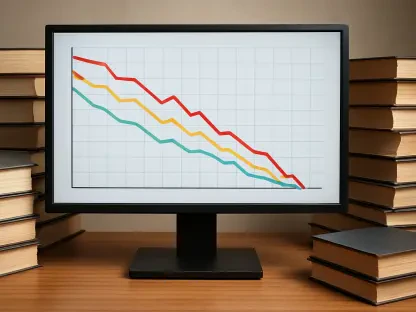
To understand the current state of the market, one must look back at the remarkably steep trajectory of adoption over the last half-decade. In early 2022, programmatic audio was utilized by only 41% of surveyed professionals. However, a combination of improved attribution models and a desperate need for cross-channel efficiency triggered a steady climb to 57% by 2024.
The most significant leap occurred between 2025 and 2026, where usage skyrocketed from 65% to a staggering 82%. This historical context reveals that the industry is no longer in a phase of early adoption. Rather, the market has entered an era where programmatic is the standard operating procedure for audio inventory, moving toward a fully automated future.
The Momentum Behind Mass Adoption
Driving Efficiency Through Algorithmic Buying
The primary catalyst for the 82% adoption rate is the inherent efficiency that programmatic technology brings to the table. By leveraging advanced demand-side platforms, advertisers now scale audio campaigns with the same precision applied to display or video. This shift allows for real-time bidding and sophisticated audience targeting that traditional manual buys cannot match. Brands can reach specific listener demographics based on behavioral data, effectively reducing waste and increasing the return on ad spend.
The Widening Implementation Gap: Agencies vs. Brands
While the trend toward automation is universal, a closer look at current data reveals a notable disparity in how different players utilize these tools. Currently, 87% of media agencies have integrated programmatic audio into their workflows, compared to 73% of brand marketers. This gap suggests that while brands recognize the value of audio, agencies are the ones driving technical implementation. This divide highlights a critical challenge for the coming year as brands look to bridge the technical expertise gap.
Integrating Traditional Broadcast: The Digital Expansion
One of the most disruptive innovations in this space is the blurring of lines between digital and traditional audio. The expansion of major digital ad platforms into AM/FM radio via partnerships with industry giants signifies a major milestone. By debunking the myth that programmatic is reserved only for podcasts, these developments offer a more holistic approach to audio. This unified ecosystem allows advertisers to manage a diverse portfolio of assets through a single interface, streamlining operations across previously fragmented channels.
Anticipating the Future of the Audio Landscape
Looking ahead, the trajectory of programmatic audio suggests that the market is approaching a point of total saturation. Future developments are likely to focus on the refinement of creative optimization and the integration of artificial intelligence to generate dynamic ad content tailored to the listener’s context. We can also expect tighter regulatory scrutiny regarding data privacy, which will push the industry toward more robust first-party data solutions within demand-side platforms.
Best Practices for Navigating the Programmatic Shift
For organizations looking to capitalize on this surge, the focus should be on integration and data fluency. Business leaders should ensure that audio strategies are not siloed but are part of a broader omnichannel approach managed through a centralized platform. Furthermore, prioritizing contextually relevant creative is essential; automation handles the delivery, but the message still determines the impact. Experimenting with emerging broadcast-to-digital inventory allows brands to capture the massive reach of traditional radio while utilizing the precision of programmatic targeting.
A Fundamental Transformation in Media Strategy
The rapid surge in programmatic audio adoption marked a definitive turning point for the advertising industry. With four out of five agencies utilizing these automated tools, the transition from manual to programmatic was essentially finalized. This evolution represented a fundamental shift toward a more efficient, data-driven, and integrated media landscape. As traditional and digital formats merged, the ability to navigate this ecosystem became a defining factor for success. Business owners discovered that programmatic audio was no longer the future, but a vital component of the present marketing mix.