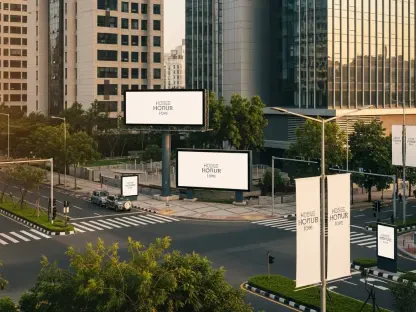

As the tension of a final-set tie-break at the Australian Open reaches its peak, imagine a digital billboard in a bustling city center instantly flashing the new score to captivated passersby. This is no longer a futuristic concept but a present-day reality, signaling a pivotal evolution in how brands connect with audiences during major cultural moments. The convergence of live events and dynamic digital Out of Home (OOH) advertising is creating a powerful new arena for engagement, moving brand messaging from a passive backdrop to an active participant in the national conversation. This strategy redefines the consumer experience, embedding brand presence directly into the excitement of the event itself.
What if Your Ad Could Update with the Score of a Tie-Break Just as Millions of Fans Hold Their Breath
The power of advertising has always been rooted in its ability to capture attention at the right moment. The integration of live data into OOH campaigns elevates this principle to an unprecedented level. When an advertisement can reflect the real-time drama of a major sporting event, it transforms from a simple promotion into a piece of relevant, timely information. This creates an immediate and contextually significant connection with consumers, tapping into their shared emotional investment in the event.
This dynamic capability allows a brand to become part of the unfolding story, providing updates and sharing in the collective suspense and excitement. For commuters glancing at a screen in a train station or travelers waiting in an airport lounge, an ad that delivers live scores becomes a welcome service, building positive brand association. It is a fundamental shift from interrupting a consumer’s day to enhancing it, ensuring the message is not only seen but also valued.
The New Attention Arena Why Major Events Demand a Smarter Advertising Playbook
During peak cultural moments like the Australian Open, the digital landscape becomes intensely crowded. Social media feeds and broadcast channels are saturated with advertisements, all competing for a finite amount of consumer attention. For brands, the challenge of cutting through this digital noise is immense, often resulting in diminished returns on investment as messages are easily lost or ignored. This environment necessitates a smarter, more integrated approach to advertising that moves beyond the screen.
The solution lies in meeting audiences where they are in the physical world. By leveraging OOH media, brands can engage people during their daily journeys—whether commuting, shopping, or working. This real-world presence offers a tangible and less intrusive way to connect, transforming public spaces into extensions of the main event. It allows a brand to build a continuous narrative that follows the consumer, reinforcing its message across multiple touchpoints and cementing its association with the cultural event.
A Courtside Seat for an Entire Nation Deconstructing the oOhmedia and Australian Open Partnership
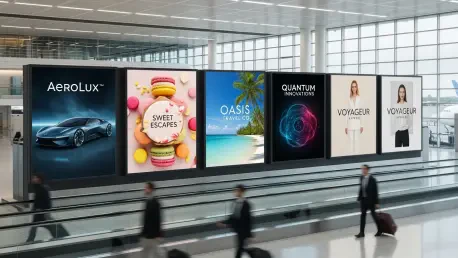
The partnership between oOh!media and the Australian Open exemplifies how to bring a major sporting event to a national audience. The strategy deploys a comprehensive digital network that spans airports, office buildings, retail centers, and major roadsides, effectively blanketing the country with tournament action. This extensive reach ensures that even those far from Melbourne Park can feel connected to the excitement. By broadcasting live scores and real-time highlights, the campaign creates a continuous and immersive tournament experience for the public.
This high-profile platform has attracted a roster of leading brands, including Qantas Frequent Flyer, Philips, Adobe, NRMA Insurance, and Airtasker. A notable case is the return of Jacob’s Creek as the official wine partner after a seven-year hiatus. The brand strategically utilizes the national OOH network to amplify its sponsorship far beyond the event grounds. This allows Jacob’s Creek to re-establish its connection with tennis fans across the country, turning its partnership into a widespread brand-building exercise that captures attention throughout the summer season.
The Scoreboard Doesnt Lie Quantifying the Impact of Live Event Integration
The economic and social impact of integrating advertising with a major event is significant and measurable. The previous year’s Australian Open, for instance, spurred a 16% increase in consumer spending in Melbourne, demonstrating the powerful commercial influence of the tournament. This “AO Effect” highlights a massive and engaged audience, further evidenced by the more than 1.5 million passenger movements recorded at Melbourne’s airport during the event period. These figures underscore the immense reach available to brands that align with such cultural touchstones.
Expert consensus from executives at participating brands reinforces the value of this strategy. The integration of OOH with live event content provides a potent method for boosting brand awareness and ensuring a company stays top-of-mind during a key consumer period. The ability to connect with fans “wherever they are” allows brands to build a more meaningful and pervasive presence. This approach transforms a sponsorship from a logo on a banner into an active and engaging nationwide conversation with consumers.
Your Brands Playbook Serving an Ace with Dynamic OOH
The success of these campaigns provided a clear framework for other advertisers aiming to leverage the power of live events. The foundational step involved aligning with a culturally relevant moment that resonated deeply with the target audience, ensuring the brand’s message felt authentic and timely. This was followed by the crucial integration of real-time data feeds, such as live scores or social media content, which made advertisements dynamic and impossible to ignore. This approach captured immediate attention by delivering value beyond a standard marketing message.
Furthermore, the strategy demonstrated the importance of dominating the entire consumer journey. By utilizing a diverse network of OOH locations, brands engaged people at multiple touchpoints throughout their day, from their morning commute to their evening shopping. Finally, this model proved how OOH can be used to amplify a primary sponsorship, extending its reach and impact far beyond a single venue. It transformed a localized event presence into a powerful, national brand statement that captured the shared excitement of millions.