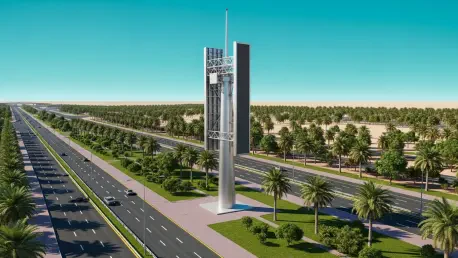

The sheer volume of commuters traversing the arterial corridors of Dubai provides an unparalleled canvas for high-tech communication that few other global metropolises can match. As the city reinforces its reputation as a premier destination for innovation, the local out-of-home advertising sector is undergoing a massive overhaul designed to align physical infrastructure with the digital future. At the center of this ambitious transformation is a strategic partnership between Mada Media and Hypermedia, which focuses on the installation and operation of twenty-one sophisticated digital unipoles. These high-end assets are currently being deployed within the Jebel Ali area along Sheikh Zayed Road, the most critical transit artery in the United Arab Emirates. This initiative represents more than a simple expansion of billboard space; it is a calculated move to integrate advanced technological solutions directly into the city’s visual fabric, ensuring that the infrastructure keeps pace with rapid urban growth.
Modernizing Governance And Strategic Infrastructure
A fundamental shift in how the city manages its public spaces is evident in the emphasis placed on transparent and professional governance within the advertising sector. By awarding major contracts through a rigorous and open public bidding system, exemplified by the tender identified as MM/COM/26-0010, Mada Media is establishing a sophisticated new benchmark for the entire industry. This methodological approach moves away from the fragmented and unregulated installations of the past, favoring a unified system that prioritizes technical capability and merit above all else. Such a structured selection process ensures that only companies with the necessary technological prowess and financial stability are entrusted with the city’s most valuable real estate. By formalizing these procedures, the authorities have created a roadmap for other sectors to follow, proving that high-stakes infrastructure projects benefit from competitive scrutiny and excellence in urban administration.
Sheikh Zayed Road serves as the vital backbone of the infrastructure in the region, making it the most coveted location for high-impact advertising in the Middle East. The decision to install twenty-one digital unipoles along this specific corridor capitalizes on the massive traffic volume and international visibility of the Jebel Ali segment. As a primary link between major business zones and residential hubs, this road experiences a constant flow of influential decision-makers, tourists, and daily commuters. These new assets are engineered to provide world-class visual experiences that capture the attention of this diverse audience while strictly adhering to the highest traffic safety standards. The strategic placement of these unipoles ensures they are visible from significant distances, providing brands with a dominant presence on the most important roadway in the country. This concentration of high-end media reflects the road’s status as a symbol of the nation’s rapid development and commercial vitality.
Urban Vision And Digital Innovation
The current transformation is deeply rooted in the objectives of the Dubai 2040 Urban Master Plan, which seeks to harmonize economic expansion with the preservation of the city’s unique visual identity. By transitioning traditional static billboards into programmatic digital platforms, the city can now offer dynamic, real-time content that is far more efficient and visually appealing than older displays. This shift allows for unprecedented geographic optimization, ensuring that advertising assets are strategically placed in locations where they provide the most value without cluttering the urban landscape. Programmatic technology enables advertisers to change their messaging instantly based on time of day, weather conditions, or specific audience demographics passing by. This level of flexibility reduces the need for multiple physical structures, as a single digital unipole can serve dozens of different campaigns throughout a single week. The result is a cleaner, more organized skyline that reflects a modern, smart-city aesthetic.
The digital evolution of the landscape ensured that the advertising sector remained innovative, efficient, and perfectly aligned with long-term visions for urban growth. Stakeholders who recognized the shift toward programmatic and data-integrated out-of-home media positioned themselves at the forefront of the next economic wave. It was clear that the successful integration of these assets required a focus on both technological capability and aesthetic sensitivity. Moving forward, companies were encouraged to invest in high-resolution hardware and advanced analytics to maximize the value of their digital presence. City planners also found that maintaining a rigorous tendering process was essential for preserving the quality of the public environment. By prioritizing the harmonization of technology and urban design, the emirate provided a blueprint for other global cities seeking to modernize their media infrastructures. This proactive approach established a foundation for future developments in augmented reality and interactive displays.