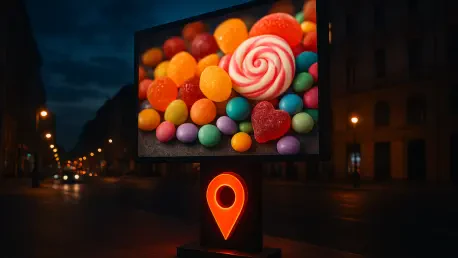

Digital out-of-home campaigns for sweets and chocolate saw purchase intent surge by 110 percent when location data was positioned at the top of the creative. This significant increase underscores how critical the arrangement of visual information has become in the modern advertising landscape. In the current market of 2026, where consumer attention is a fragmented and valuable commodity, the ability to direct an individual toward a physical storefront in seconds is a competitive advantage. Recent studies involving large-scale audience samples in the Netherlands have demonstrated that the mere presence of a store locator is not enough; its placement dictates the success of a programmatic campaign. By evaluating the effectiveness of vertical digital screens, analysts found that the human eye naturally seeks clarity and structure when processing advertisements on the go. These findings suggest that the specific coordinates of a map pin or a retail partner logo are just as important as the primary marketing copy.
The Layout Challenge: Strategic Positioning and Viewer Engagement
The central takeaway from the research highlights a distinct preference for locational data placed at either the extreme top or the bottom of a digital display. For high-impulse products, placing store information at the bottom of the screen resulted in a staggering 116 percent rise in purchase intent, closely followed by the 110 percent surge noted when positioned at the top. This phenomenon occurs because these peripheral areas allow the core marketing message to breathe in the center of the frame, preventing visual clutter that might otherwise overwhelm the viewer. When location details were situated in the middle of the creative, they often competed for attention with the main product imagery, leading to diminished effectiveness. For brands looking to maximize their return on investment in the programmatic space, separating the product from the location ensures that the consumer first identifies the offer and then immediately understands how to acquire it without any unnecessary cognitive load.
Beyond the simple coordinates of text on a screen, the specific visual elements used to represent a physical store play a vital role in driving visit intent. Utilizing recognizable iconography, such as standard map pins, increased the likelihood of a store visit by approximately 16 percent compared to ads without such markers. Furthermore, the use of high-contrast design elements between the location information and the background of the ad boosted intent by another 10 percent. These subtle design choices are particularly effective in the quick-service restaurant and retail sectors, which saw visit intent increases of 24 percent and 35 percent, respectively. While the general consumer packaged goods sector experienced a more modest 20 percent rise, the data indicates that products requiring immediate fulfillment benefit most from highly visible, localized direction. Creative departments are now prioritizing these high-contrast markers to ensure that even a quick glance is enough to communicate proximity.
The Brand DilemmNavigating the Trade-offs of Retailer Integration
While driving immediate traffic is a primary goal for many campaigns, the integration of third-party retail logos can introduce a complex challenge regarding long-term brand equity. The research indicated that when a supermarket or a specific retailer’s branding is featured prominently alongside the advertised product, consumer attention becomes divided between the two entities. This competition for visual focus can lead to a measurable decline in brand recognition for the primary advertiser, even if the intent to visit the store remains high. For emerging brands that are still in the process of establishing their identity in a crowded marketplace, this trade-off requires a careful strategic balance. If the goal is pure brand building, the inclusion of a heavy retail presence might be counterproductive. However, for established household names, the benefit of driving immediate physical sales often outweighs the slight dip in brand recall. Marketers must decide whether their current priority is brand depth or quick transactions.
As the industry evaluated these results, the path forward became clear for creative teams seeking to optimize their digital out-of-home strategies. Brand managers were advised to implement a split-testing approach for all vertical creative assets, specifically comparing top versus bottom placement of location data. This data-driven strategy allowed for real-time adjustments based on the specific impulse nature of the product being advertised. Moving toward 2027, the focus shifted to incorporating high-contrast map pins as a non-negotiable standard for any campaign targeting physical retail conversion. Decision-makers realized that while the primary creative must remain the hero, the utility of a store locator acts as the final catalyst for action. By prioritizing clear visual hierarchy and understanding the nuances of consumer behavior, brands successfully moved audiences from digital screens to physical checkout lines. This era of programmatic innovation ensured that every digital impression provided a clear, unobstructed path to a physical purchase.