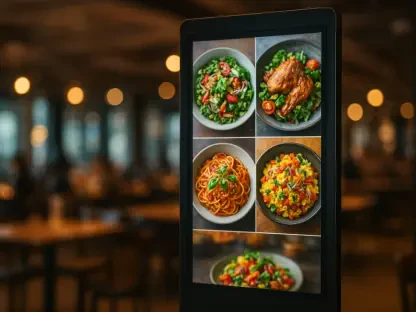

The once-silent concrete jungles of our urban centers have effectively transformed into a sprawling network of intelligent screens that demand the same level of contextual agility we expect from a social media feed. This shift marks a departure from the historical reliance on massive, unchanging displays that sought to build brand recognition through sheer repetition and scale. Instead, the current advertising landscape prioritizes a connected digital ecosystem where the environment itself dictates the message, allowing brands to move away from the static hero moment toward a more fluid and reactive presence.
The traditional model of planning campaigns months in advance with a single piece of creative is rapidly becoming obsolete as the industry embraces a social media mindset. Modern consumers are accustomed to information that updates in real time, and they now expect the physical world to mirror the responsiveness of their personal devices. Consequently, media owners and agencies are reconfiguring their strategies to ensure that high-impact visibility is paired with immediate, data-driven relevance.
The Great Transformation: From Static Billboards to a Connected Digital Ecosystem
The transition from traditional posters to Digital Out-of-Home (DOOH) has fundamentally democratized high-quality creative for brands of all sizes. In the past, the logistical costs and production times of physical installations created a significant barrier to entry for smaller players, but the current digital infrastructure has removed these hurdles. Now, a localized startup can deploy the same high-resolution, cinematic assets as a global conglomerate, utilizing programmatic delivery to appear in the right place at the most opportune moment.
Technological infrastructure has bridged the gap between physical installations and digital agility by enabling a centralized control system for global networks. Major market players are no longer focused solely on securing the best physical locations; they are investing heavily in behavioral-based creative strategies that utilize live data feeds. This move toward a connected ecosystem means that a billboard is no longer an isolated asset but a node in a broader, synchronized campaign that can change its messaging across an entire city in seconds.
The Rise of Behavioral Creative and Real-Time Cultural Participation
Advertisers are shifting their focus from simply repeating a message to actively reacting to cultural and environmental triggers. This concept of behavioral creative ensures that content remains fresh and aligned with the immediate experiences of the audience. Consumer behaviors in transit or shopping districts now mirror digital scrolling habits, where a message must capture attention within a fraction of a second or be ignored entirely. By integrating temporal and positional context, brands can ensure their messaging is always relevant to the viewer’s specific situation.
Adaptive creative systems are already demonstrating high efficacy through various environmental triggers. For instance, campaigns have successfully utilized thermal sensors to offer discounted products as temperatures drop, turning a cold day into a direct sales driver. Similarly, sports-integrated countdowns on digital screens can drive fans toward nearby retail locations just before a major game begins. This level of participation allows the physical medium to join the conversation rather than merely interrupting it.
Evaluating the Momentum: Market Projections for Programmatic Out-of-Home
The momentum behind programmatic delivery is reflected in recent market projections from 2026 to 2028, which show a consistent migration of budgets from static to automated formats. Performance indicators suggest that contextually relevant dynamic content generates significantly higher engagement than generic messaging. This shift is driven by the ability to optimize campaigns in-flight, allowing advertisers to adjust their creative assets based on real-world performance data and changing environmental conditions.
Automated creative optimization is expected to become the industry standard as data-driven insights prove the superior return on investment for flexible campaigns. By 2027, the majority of out-of-home transactions will likely involve some form of programmatic automation, enabling brands to buy moments rather than just space. This evolution ensures that the physical world remains a competitive component of the broader media mix, offering both the reach of traditional media and the precision of digital platforms.
Breaking the Static Habit: Overcoming the Legacy Mindset and Technical Friction
A primary obstacle to this evolution is the psychological attachment to the single, polished execution that remains unchanged for the duration of a campaign. Many decision-makers still view a billboard as a fixed piece of art rather than a dynamic communication tool, leading to an obsession with a perfect but static hero asset. To overcome this, agencies must streamline their internal processes and move away from rigid planning cycles that stifle the potential for flexible, reactive systems.
The logistical challenge of managing thousands of distinct moments across diverse locations requires a complete rethinking of the briefing process. Instead of briefing for a single idea that must work everywhere, creative teams are now encouraged to design systems that are built to evolve. This transition requires a shift in how success is measured, moving away from simple impressions toward the impact of contextual relevance.
Navigating the Privacy-First Landscape and Industry Standardization
As the industry utilizes more environmental data and thermal imaging, maintaining regulatory compliance has become a central focus. Regulatory standards for data collection in public spaces are increasingly stringent, requiring media owners to balance innovation with consumer trust. Transparency in how data triggers are used ensures that the public perceives these reactive advertisements as helpful services rather than intrusive surveillance.
Establishing industry-wide protocols for programmatic security is essential for the long-term health of the sector. Emerging privacy laws continue to shape the way brands target audiences in the physical world, emphasizing the use of aggregated, non-personal data over individual tracking. This privacy-first approach allows for hyper-relevant advertising while protecting the anonymity of people as they move through urban environments.
The Horizon of Hybrid Advertising: Where AI and Real-Time Data Converge
AI-enhanced production is currently paving the way for a future where billboards generate creative variations instantaneously based on live audience data. This potential allows billboards to act as interactive nodes that can respond to local events or social media trends as they happen. Such hyper-localized engagement ensures that the physical landscape remains a vital part of the broader social conversation, bridging the gap between digital feeds and city streets.
Global economic conditions continue to influence the pace of investment in digital infrastructure, but the trend toward hybrid advertising remains strong. Growth is increasingly concentrated in creative systems that can translate the pulse of a city into visual content. As AI continues to mature, the ability to produce thousands of relevant assets without manual intervention will make the reactive ecosystem more accessible to every advertiser.
Embracing Fluidity: A Strategic Blueprint for Future-Proofing Out-of-Home
The industry recognized that the shift from a static hero mindset to a reactive ecosystem was the most critical requirement for staying relevant. Agencies and specialists prioritized in-flight optimization, which allowed them to learn from performance data and adjust creative strategies while campaigns were still active. This transition focused on the understanding that visibility alone was no longer sufficient in a world where relevance dictated the value of attention.
The adoption of a social media mindset allowed physical media to claim a dominant position in the attention economy. Specialists moved away from the outdated briefing structures that favored fixed assets and instead invested in technology that supported contextual agility. These strategic choices ensured that physical advertising evolved into a sophisticated, data-driven medium that resonated deeply with the modern, mobile consumer. Success was ultimately achieved by treating the urban landscape as a living, breathing participant in the global digital conversation.