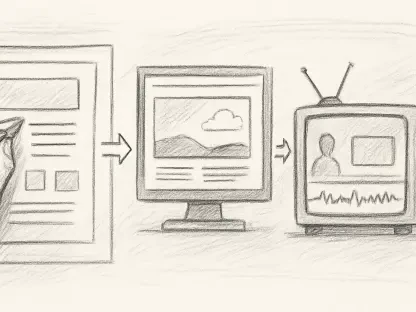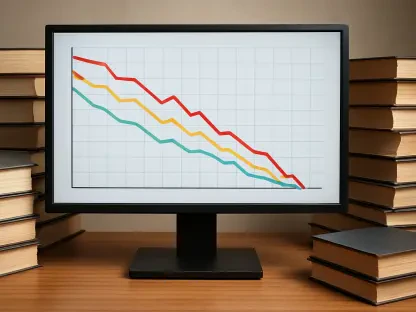

The landscape of modern urban advertising has undergone a seismic shift as brands navigate the delicate equilibrium between tradition and innovation in the streets. While the rapid proliferation of high-definition screens might suggest that static billboards have become relics of a bygone era, the actual data regarding consumer engagement and brand recall paints a far more nuanced picture of market performance. Static placements offer an uninterrupted physical permanence that digital rotations simply cannot replicate because they do not share the space with competing messages or flicker away after ten seconds. This enduring presence establishes a geographical landmark for a brand, grounding its identity in the physical world while digital components provide the necessary pulse of real-time relevance and tactical agility. Successful marketing leaders are currently discovering that the highest returns on investment emerge not from choosing one medium over the other, but from a calculated fusion that leverages the unique strengths of both formats.
The Structural Foundation: Why Static Assets Remain Essential
Static out-of-home advertising acts as the bedrock of a comprehensive campaign by providing what industry experts call 100% share of voice in a specific location. Unlike digital displays that cycle through multiple advertisers every minute, a classic vinyl billboard belongs exclusively to one brand for the duration of its flight, ensuring that every pair of eyes that passes the site sees the same message. This exclusivity is crucial for building long-term brand equity and establishing a sense of reliability and prestige within a community. Furthermore, static boards are often located in prime positions where digital infrastructure has not yet been permitted due to local zoning laws or structural limitations of the site. By maintaining a presence on these traditional canvases, companies ensure that their message remains a constant fixture in the daily lives of commuters, creating a subconscious familiarity that serves as a powerful psychological anchor. The physical nature of these installations implies a level of commitment that temporary digital spots often fail to convey.
Beyond the psychological impact, the economic efficiency of classic out-of-home formats remains a significant driver for budget allocation during the period from 2026 to 2028. While digital screens require high energy consumption and hardware maintenance, static boards offer a cost-effective way to dominate a landscape for extended periods without the rising CPMs often associated with premium digital inventories. This cost structure allows brands to secure long-term visibility in high-traffic corridors that would be prohibitively expensive to monopolize on a digital-only basis. Creative departments also find value in the specific constraints of static media, as the medium demands a focused and iconic visual approach that distills a brand’s essence into a single image. When a campaign utilizes these large-format displays as a primary touchpoint, it sets a visual standard that all other media must follow, providing a cohesive aesthetic that unifies digital, social, and mobile efforts. The result is a multi-layered brand narrative that feels grounded in reality.
Strategic Integration: Maximizing Impact Through Technological Synergy
The integration of digital out-of-home assets introduces a layer of programmatic sophistication that was once reserved solely for the internet. As technology evolves from 2026 to 2029, modern digital displays are now equipped with sensors and connected to data feeds that allow creative content to shift based on the weather, the time of day, or even live traffic patterns on the adjacent highway. For example, a beverage company might trigger an advertisement for hot coffee when temperatures drop, only to switch to an iced tea promotion as the afternoon sun peaks. This level of contextual relevance ensures that the advertising remains useful and timely, significantly reducing ad fatigue among frequent travelers. Furthermore, digital inventory provides the flexibility to launch campaigns within hours rather than weeks, enabling brands to react instantaneously to cultural moments or competitive shifts in the marketplace. This agility is particularly valuable for product launches where timing is the most critical factor for success. The ability to buy these spots programmatically allows for real-time optimization.
Moving forward, organizations prioritized the adoption of unified measurement platforms that accounted for the differing roles of classic and digital assets within a single campaign ecosystem. Marketing teams successfully transitioned away from siloed reporting and began treating out-of-home as a single, multi-faceted channel that functioned best when its parts were synchronized. It became essential to invest in high-quality creative that respected the unique requirements of each display type, ensuring that static visuals were bold while digital content remained interactive. Decision-makers also found that reallocating budget toward a balanced mix rather than a digital-only approach resulted in a more sustainable brand presence that resisted the transience of modern media consumption. Future considerations focused on the use of artificial intelligence to further refine the delivery of digital content. By grounding innovation in the foundation of traditional billboards, brands secured a competitive advantage that resonated across the entire landscape while maintaining a focus on long-term growth.